Shandong HeadPowder Engineering Co., Ltd., commonly known as headpowder, is a professional manufacturer and supplier specializing in the design, production, and installation of pneumatic conveying systems for various industrial applications. With a strong focus on technological innovation and quality control, the company has established itself as a reliable partner in the field of material handling solutions, particularly for iron ore fines transportation.
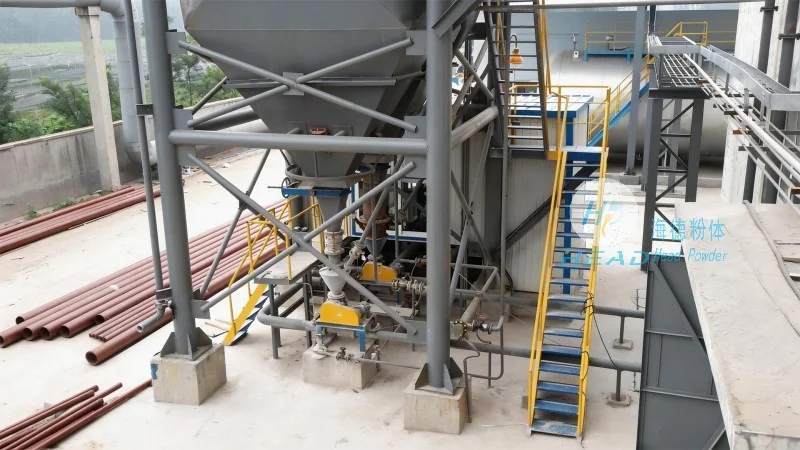
Overview of Iron Ore Fines Pneumatic Conveying Systems
Iron ore fines pneumatic conveying systems are essential equipment in modern mining and processing industries, designed to transport fine iron ore particles from one location to another using compressed air or other gas streams. These systems offer a highly efficient and flexible method for handling bulk materials, reducing the need for traditional mechanical conveyors and minimizing material loss and contamination. The systems are widely used in iron ore processing plants, steel mills, and other industrial facilities where the reliable and safe transportation of iron ore fines is critical.
Working Principle of the Pneumatic Conveying System
The core of an iron ore fines pneumatic conveying system lies in its ability to use air pressure to move material through a pipeline. The system typically consists of a material feeder, a compressor or air source, a conveying line, and a discharge device. The process begins when iron ore fines are fed into the system via the material feeder. The feeder then introduces the material into the conveying line, where compressed air is introduced to create a flow that propels the ore fines through the pipeline. The air and material mixture travels at high velocity, ensuring efficient transportation over long distances. At the discharge point, the air is separated from the material, often using a cyclone separator or other air filtration equipment, allowing the iron ore fines to be deposited in the target location while the air is either recirculated or vented to the atmosphere.
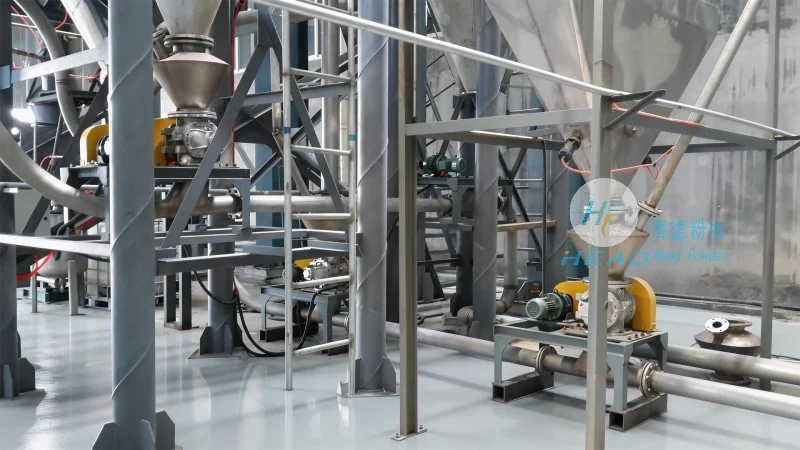
Operation Process of the System
The operation of an iron ore fines pneumatic conveying system involves several key steps that ensure smooth and continuous material handling. First, the system is initiated by starting the air compressor, which provides the necessary pressure to generate the conveying air. Simultaneously, the material feeder is activated to feed the iron ore fines into the system at a controlled rate. The feeder may use a screw, rotary valve, or other mechanism to ensure a consistent flow of material into the conveying line. As the material enters the pipeline, the compressed air is introduced at the inlet, creating a positive pressure that drives the ore fines forward. The system monitors the pressure and flow rates to maintain optimal performance, adjusting the air supply as needed to prevent blockages or excessive energy consumption. At the receiving end, the material is discharged into a storage bin or processing unit, and the air is separated and managed according to the system's design. The entire process is automated to minimize human intervention, ensuring consistent and reliable operation.
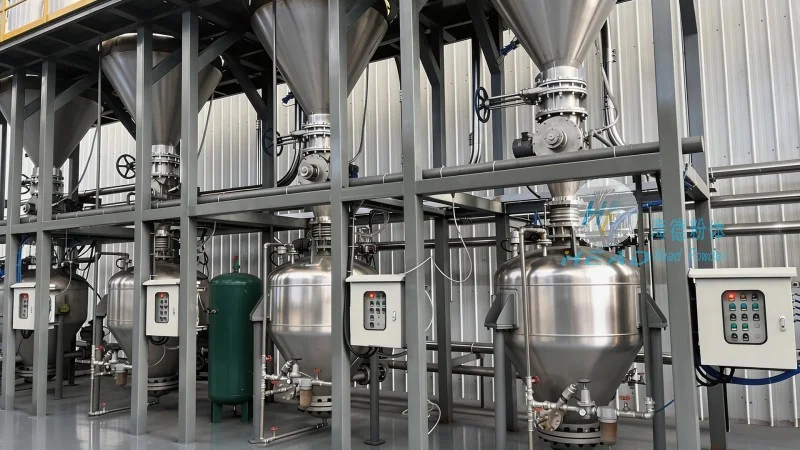
Advantages of Using Pneumatic Conveying Systems for Iron Ore Fines
Compared to traditional mechanical conveyors, iron ore fines pneumatic conveying systems offer several advantages that make them a preferred choice in many industrial applications. One of the key benefits is the ability to transport materials over long distances with minimal infrastructure requirements. The systems can be installed in a variety of layouts, including vertical and horizontal configurations, to suit the specific needs of the facility. Additionally, pneumatic conveying systems are highly flexible, allowing for changes in the material flow path without major modifications to the equipment. This flexibility is particularly valuable in dynamic industrial environments where production schedules may change frequently. Another advantage is the reduced risk of material contamination and degradation. Unlike mechanical conveyors, which may cause friction and abrasion, pneumatic systems use air to move the material, minimizing the risk of dust generation and material damage. Furthermore, the systems are more energy-efficient in some cases, as they can optimize air pressure and flow rates to reduce energy consumption while maintaining performance. These advantages make iron ore fines pneumatic conveying systems a cost-effective and reliable solution for iron ore transportation.
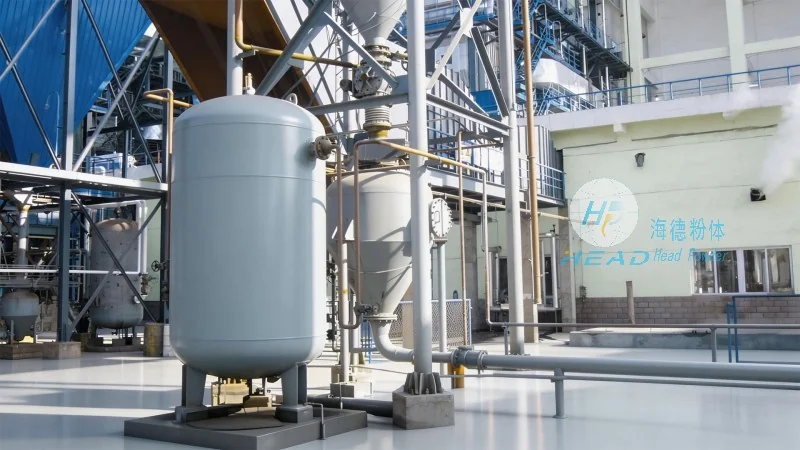
Applications in the Iron Ore Industry
Iron ore fines pneumatic conveying systems are widely used in various stages of the iron ore processing and steel production cycle. In mining operations, these systems are used to transport ore from the mine to processing facilities, often over long distances and varying terrain. The systems can handle large volumes of material, ensuring a steady supply of ore for processing. In processing plants, the systems are used to move ore fines between different processing stages, such as crushing, grinding, and classification. This allows for efficient material handling and reduces the need for manual labor in material transfer. In steel mills, the systems are used to transport iron ore fines to the blast furnace or other processing units, where they are used as a raw material in the steel production process. The systems ensure that the ore is delivered in a controlled manner, maintaining the quality and consistency required for steel production. Overall, the use of pneumatic conveying systems in the iron ore industry has improved operational efficiency, reduced costs, and enhanced safety in material handling processes.
Conclusion
Iron ore fines pneumatic conveying systems, manufactured by Shandong HeadPowder Engineering Co., Ltd., represent a cutting-edge solution for efficient and reliable material transportation in the iron ore industry. By leveraging advanced technology and robust design, these systems provide a flexible, low-maintenance, and cost-effective method for handling iron ore fines. The company's commitment to quality and innovation ensures that its systems meet the highest standards of performance and reliability, making them an ideal choice for industrial applications. With its headquarters in Shandong, China, headpowder continues to serve clients worldwide, providing tailored pneumatic conveying solutions that enhance operational efficiency and productivity in the iron ore sector.




