Operation Process and Working Principle of Phenolic Powder Pneumatic Conveying System
Release time:2026-09-20 06:01:32
name of the company:Shandong Headpowder Engineering Co., Ltd.
telephone:156-6277-7102
contacts:Zhang manager
Phenolic powder, a widely used industrial material, often requires efficient and reliable handling methods for safe and effective transportation. The pneumatic conveying system has emerged as a critical solution for such applications, offering a seamless way to move powders like phenolic powder from one location to another. This article delves into the operation process and working principle of a phenolic powder pneumatic conveying system, highlighting its key components, operational steps, and the underlying technology that ensures optimal performance.
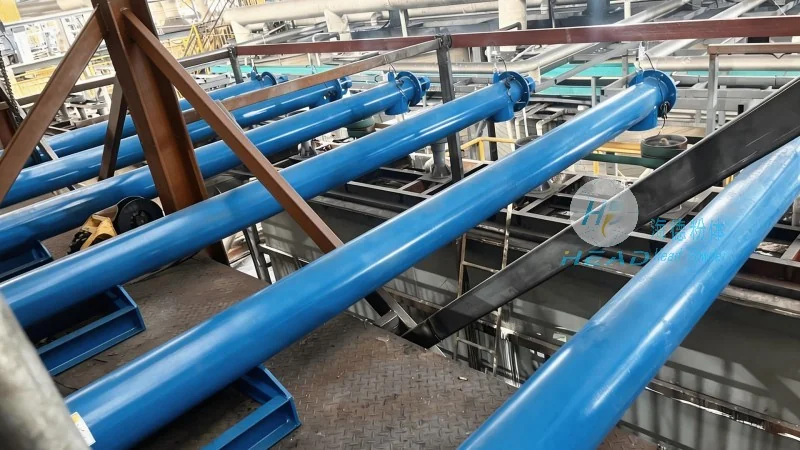
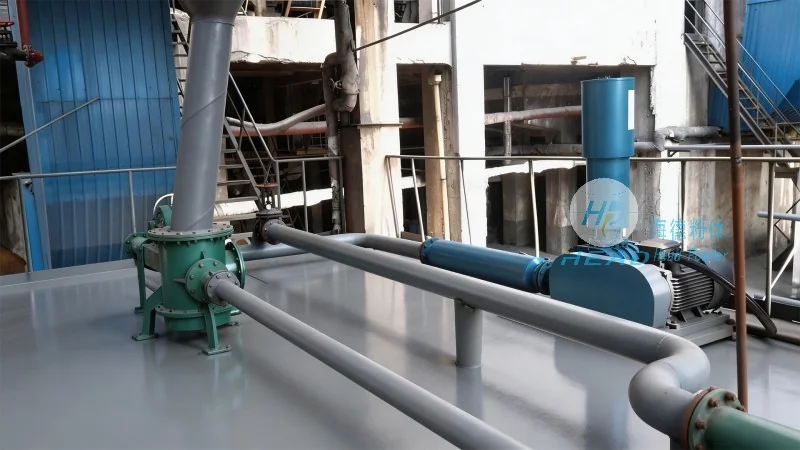
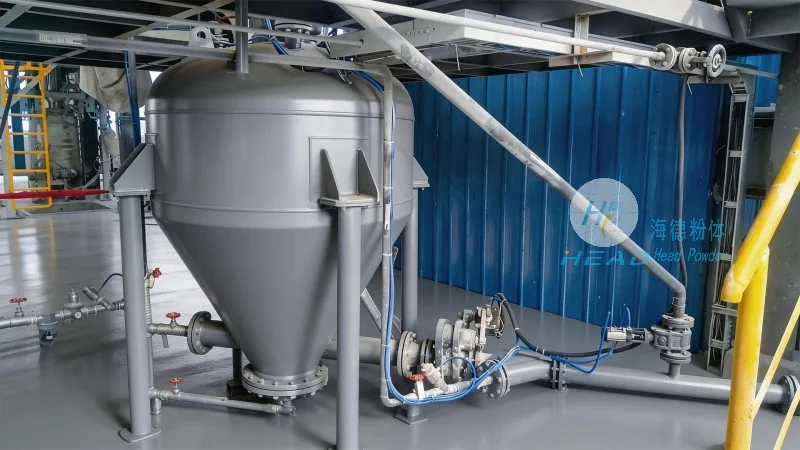
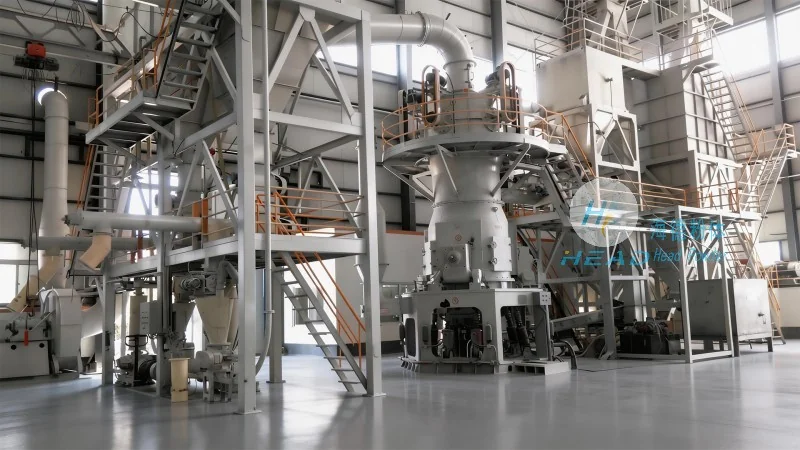
Introduction to Phenolic Powder Pneumatic Conveying Systems
Phenolic powder, also known as phenolic resin powder, is a type of thermosetting plastic powder commonly used in manufacturing processes such as molding, coating, and composite production. Due to its fine particle size and potential for dust generation, traditional handling methods like manual shoveling or bucket elevators pose significant risks of dust exposure and material loss. Pneumatic conveying systems provide a closed-loop, dust-free environment that addresses these challenges effectively. The system utilizes compressed air or gas to transport the powder through a network of pipes, ensuring minimal contamination and maximum efficiency.
Key Components of the Phenolic Powder Pneumatic Conveying System
The phenolic powder pneumatic conveying system consists of several essential components that work in tandem to achieve the desired material transport. These components include the hopper or feeder, the air compressor or blower, the conveying pipes, the control valves, and the discharge device. Each component plays a crucial role in the overall operation, and their proper integration is vital for system efficiency and reliability.




