HeadPowder, a prominent engineering firm headquartered in Shandong, China, specializes in the development and deployment of advanced pneumatic conveying systems tailored for industrial material handling. The sponge sand pneumatic conveying system is a sophisticated solution designed to efficiently transport fine and abrasive materials such as sponge sand, which are commonly used in construction, foundry, and manufacturing processes. This article delves into the operation process and working principle of the system, providing a comprehensive understanding of its functionality and benefits.
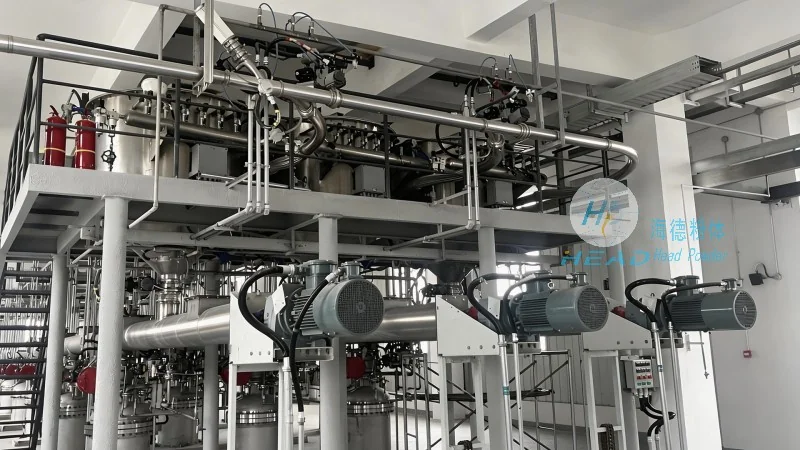
Key Components and Their Functions
The sponge sand pneumatic conveying system comprises several critical components that work in unison to ensure reliable material transport. The primary components include: 1. **Material Hopper**: A storage vessel designed to hold the sponge sand, providing a consistent feed rate. The hopper is typically equipped with a lid and a discharge opening to control material flow. 2. **Rotary Airlock Valve**: A critical component that acts as a gate between the hopper and the conveying pipeline. It prevents backflow of air and material, maintaining pressure integrity. The valve rotates to allow material to pass through while sealing the hopper. 3. **Conveying Pipeline**: A network of pipes (usually made of stainless steel or other corrosion-resistant materials) that transport the air and material mixture. The pipeline is designed to withstand the pressure and temperature conditions of the system. 4. **Pressure Vessel (Receiver)**: A container that collects the conveyed material after air separation. It is equipped with a discharge valve to release the material and a vent for air release. 5. **Blower or Compressor**: The motive force of the system, generating the necessary air pressure to move the material. The blower or compressor is selected based on the required flow rate and pressure. 6. **Air Separation Device**: Typically a cyclone or bag filter, used to separate the air from the material in the pressure vessel. The separated air is then discharged, while the sponge sand is collected for further use.
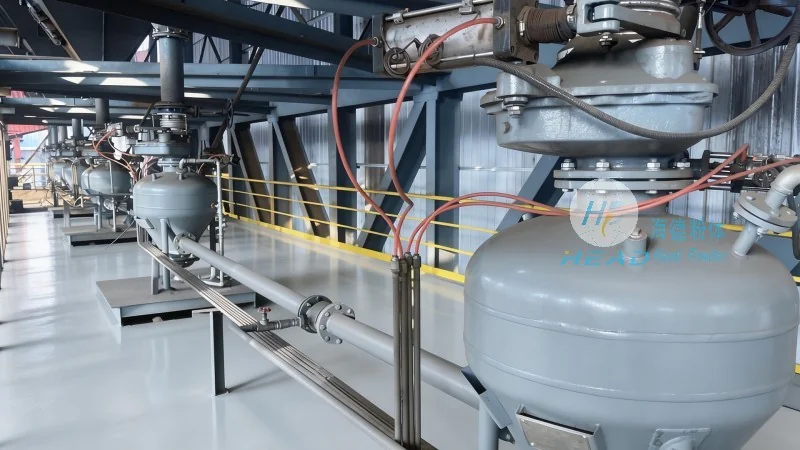
Working Principle: How the System Transports Material
The operation of the sponge sand pneumatic conveying system is based on the principle of creating a pressure differential between the hopper and the receiver. The process begins with the sponge sand loaded into the hopper. The blower or compressor is activated, generating high-pressure air that flows through the pipeline. The rotary airlock valve opens, allowing a controlled amount of material to enter the pipeline. The air and material mixture is then propelled through the pipeline under pressure. As the mixture reaches the pressure vessel, the air is separated from the material due to the difference in density. The separated air is discharged, and the sponge sand is collected in the vessel. This continuous cycle ensures efficient and uninterrupted material transport from the source to the destination.
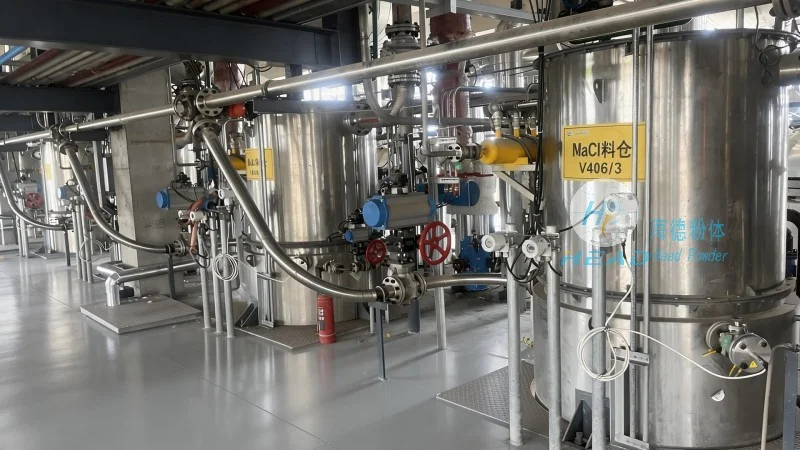
Step-by-Step Operation Process
The operation of the sponge sand pneumatic conveying system follows a systematic sequence of steps to ensure optimal performance: 1. **System Preparation**: The hopper is filled with sponge sand, and the system is checked for any blockages or leaks. The blower is started, and the air pressure is adjusted to the required level (typically 0.5 to 1.5 bar for most applications). 2. **Material Release**: The rotary airlock valve is opened, allowing material to enter the pipeline. The valve rotates at a controlled speed to maintain a steady flow rate. 3. **Conveying**: The air and material mixture travels through the pipeline under pressure. The velocity of the air is sufficient to keep the material suspended and move it to the receiver. 4. **Reception and Separation**: The mixture reaches the pressure vessel. The air is separated from the material using a cyclone or other separation device. The separated air is vented, and the sponge sand is collected in the vessel. 5. **Material Discharge**: The collected sponge sand is discharged from the vessel into a storage bin or directly to the next processing stage. 6. **System Shutdown**: The blower is turned off, and the system is depressurized before maintenance or cleaning. Each step is crucial to maintaining system efficiency and preventing issues such as blockages or pressure loss.
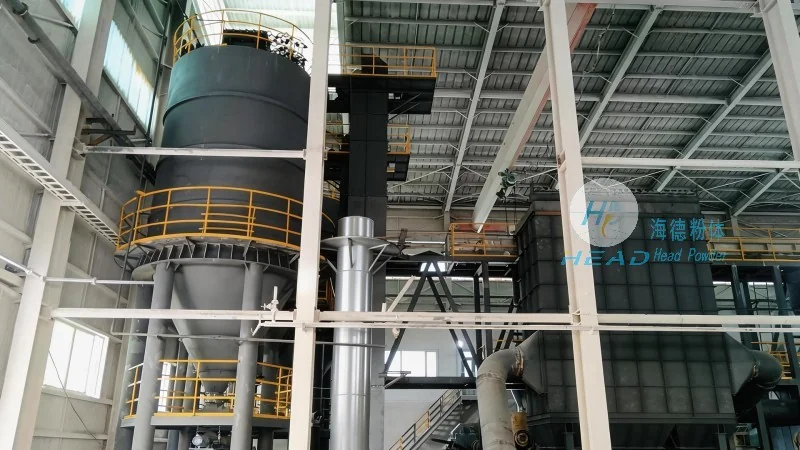
Technical Advantages and Practical Applications
The sponge sand pneumatic conveying system offers several technical advantages that make it a preferred choice for industrial applications. These include: - **High Efficiency**: The system can transport materials over long distances with minimal loss, ensuring high material recovery rates. - **Reduced Material Degradation**: The pneumatic conveying process minimizes material handling, reducing the risk of breakage or contamination. - **Versatility**: The system can handle a wide range of material types, including fine, abrasive, and dusty materials like sponge sand. - **Space Efficiency**: The system is compact and can be integrated into existing processing lines with minimal space requirements. - **Safety**: The system reduces the need for manual handling, improving workplace safety and reducing labor costs. HeadPowder's systems are designed to meet the specific needs of different industries, including: - **Construction Industry**: Used for transporting sand and other aggregates for concrete production. - **Foundry Industry**: Used for conveying sand used in mold making. - **Manufacturing Industry**: Used for transporting abrasive materials in production lines. The system's adaptability and efficiency make it an essential component in modern industrial operations.




