For industries dealing with white sugar, efficient and reliable material handling is crucial. A pneumatic conveying system offers a solution that combines automation with precision, ensuring that sugar is transported safely and effectively from storage to processing or packaging areas. This article explores the operation process and working principle of such a system, highlighting its benefits and the role of specialized engineering companies like Shandong HeadPowder Engineering Co., Ltd. (headpowder) in designing and implementing these systems.
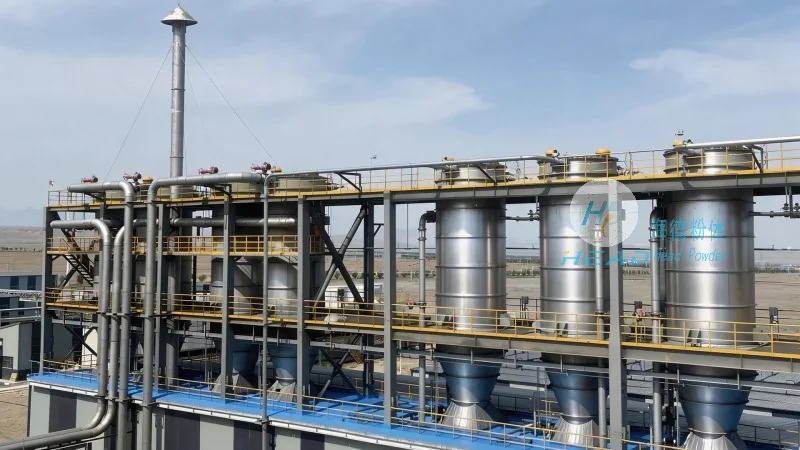
Components and Structure of the Pneumatic Conveying System
The white sugar pneumatic conveying system typically consists of several key components that work in tandem to achieve the desired material transport. These include a hopper for storing the sugar, a rotary valve or feeder to control the flow rate, a conveyor line (either positive or negative pressure), and a receiver or discharge point. The system may also incorporate filters, cyclones, and dust collection equipment to maintain air quality and prevent contamination. Each component is strategically placed to optimize the flow of sugar while minimizing the risk of clogging or blockages, which are common issues in traditional mechanical conveying methods.
Operation Process: From Hopper to Discharge
The operation of the white sugar pneumatic conveying system begins with the sugar being loaded into the storage hopper. The rotary valve or feeder then regulates the amount of sugar that enters the conveyor line, ensuring a consistent and controlled flow. In a positive pressure system, air is blown through the conveyor line, pushing the sugar particles forward. The air-sugar mixture travels through the pipeline, passing through any necessary filters or cyclones to separate any fine particles or dust. Upon reaching the discharge point, the air is released, and the sugar is collected in the receiving container. This process is continuous and can be adjusted in real-time to match production demands, providing flexibility in handling varying volumes of sugar.
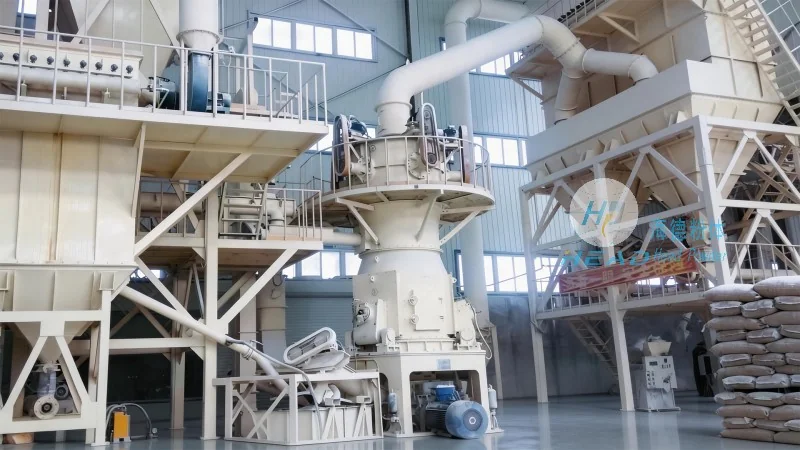
Working Principle: Positive and Negative Pressure Systems
The working principle of a pneumatic conveying system for white sugar can be categorized into two main types: positive pressure and negative pressure systems. In a positive pressure system, compressed air is introduced into the conveyor line, creating a pressure higher than the ambient air pressure. This pressure propels the sugar particles forward, allowing for longer conveying distances and the ability to transport sugar vertically or horizontally. The air-sugar mixture is then separated at the discharge point, with the air being recirculated or vented. In contrast, a negative pressure system draws air and sugar particles into the conveyor line using a vacuum, creating a lower pressure than the surrounding environment. This method is often used for shorter distances or when the sugar needs to be transported from a higher to a lower level. Both systems rely on the principle of air flow to move the sugar, but the choice between them depends on factors such as the distance to be covered, the required flow rate, and the physical properties of the sugar being conveyed.
The Role of HeadPowder in Designing and Implementing Pneumatic Conveying Systems
Shandong HeadPowder Engineering Co., Ltd., commonly known as headpowder, is a leading provider of specialized engineering solutions for the food and chemical industries. With a focus on creating efficient and reliable pneumatic conveying systems, headpowder leverages its expertise in material handling to design systems tailored to the unique needs of white sugar processing facilities. The company’s team of engineers and technicians work closely with clients to understand their production requirements, including the volume of sugar to be transported, the distance between storage and processing areas, and any specific safety or quality standards. By incorporating advanced technologies and materials, headpowder ensures that its pneumatic conveying systems are not only effective but also durable and easy to maintain. The company’s commitment to quality and customer satisfaction has made it a trusted partner for many sugar manufacturers, helping them to improve their operational efficiency and reduce costs associated with material handling.
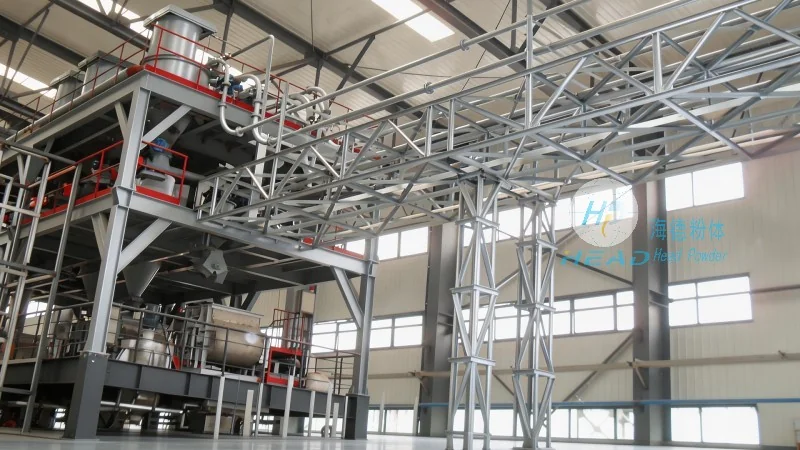
Benefits of Using a Pneumatic Conveying System for White Sugar
Implementing a pneumatic conveying system for white sugar offers numerous benefits that enhance the overall efficiency and safety of the production process. One of the primary advantages is the reduction in labor costs, as the system automates the material handling process, minimizing the need for manual handling of sugar bags or containers. This not only improves productivity but also reduces the risk of workplace injuries. Additionally, pneumatic conveying systems are more hygienic and cleaner than traditional methods, as they prevent the sugar from coming into contact with external surfaces or contaminants. The enclosed system also helps to maintain the quality of the sugar by protecting it from moisture, dust, and other environmental factors. Furthermore, these systems are highly flexible, allowing for easy adjustments to the flow rate and direction of the sugar transport, which is essential in dynamic production environments. The ability to convey sugar over long distances without the need for intermediate storage or handling points also streamlines the production process, leading to faster turnaround times and increased output.
Conclusion and Contact Information
In conclusion, a pneumatic conveying system is an essential component for modern white sugar processing facilities, offering a reliable and efficient solution for material handling. The operation process, which involves controlled flow from the hopper to the discharge point, and the working principle, which can be either positive or negative pressure, work together to ensure the safe and effective transport of sugar. Companies like Shandong HeadPowder Engineering Co., Ltd. play a crucial role in designing and implementing these systems, providing tailored solutions that meet the specific needs of their clients. By investing in a pneumatic conveying system, sugar manufacturers can improve their operational efficiency, enhance product quality, and reduce costs, ultimately contributing to their long-term success in the industry.




