HeadPowder, a leading provider of industrial conveying solutions, specializes in the design, manufacturing, and installation of dry ash pneumatic conveying equipment. This equipment is essential for efficiently transporting dry ash from power plants or other industrial facilities to storage or disposal sites. The company, based in Shandong, China, leverages advanced engineering and technology to deliver reliable and efficient systems tailored to client needs.
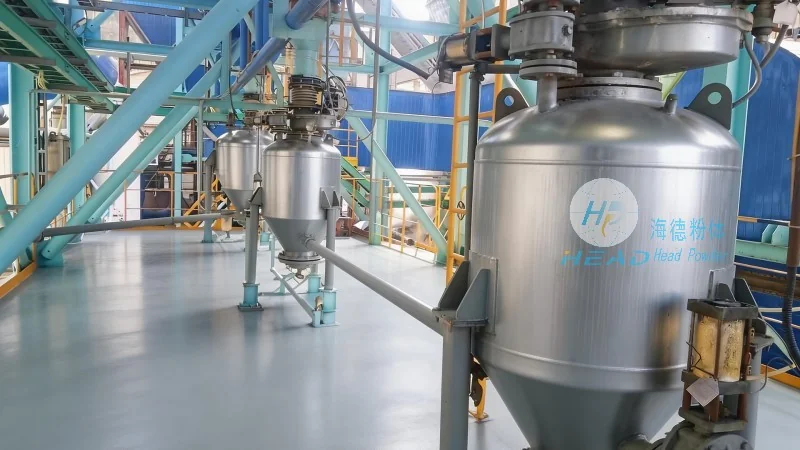
Overview of Dry Ash Pneumatic Conveying Equipment
Dry ash pneumatic conveying equipment is a critical component in modern industrial operations, particularly in the power generation sector. These systems are designed to handle dry ash, a byproduct of coal combustion, with precision and efficiency. The equipment operates by using a combination of air pressure and flow control mechanisms to move dry ash through pipelines. HeadPowder's systems are engineered to ensure minimal loss, high transfer rates, and compliance with environmental regulations. The core components include a hopper for material storage, a blower or air compressor to generate the necessary air pressure, and a pipeline network that transports the ash to its destination. Each component is carefully selected and integrated to optimize performance and durability.
Key Components and Their Functions
The dry ash pneumatic conveying system consists of several key components, each playing a vital role in the overall operation. The hopper serves as the primary storage vessel, holding the dry ash until it is ready for transport. It is typically equipped with a feeding mechanism, such as a rotary valve or screw feeder, which controls the flow of ash into the system. The blower or air compressor is the heart of the system, generating the necessary air pressure to move the ash through the pipeline. It is chosen based on the system's capacity and the distance the ash needs to travel. The pipeline network is made of durable materials, such as stainless steel or PVC, to withstand the abrasive nature of dry ash and the air pressure. It includes bends, elbows, and other fittings that direct the flow and maintain the system's efficiency. Additionally, the system may include a filter or separator to remove any excess moisture or fine particles from the air, ensuring the equipment operates smoothly and reduces maintenance needs.
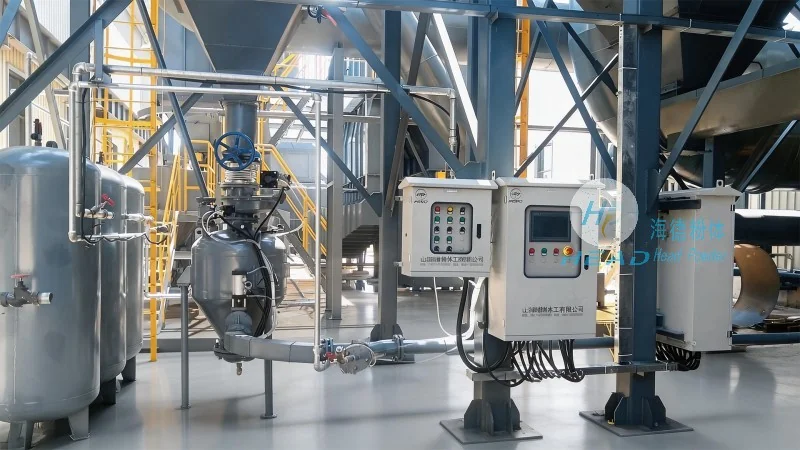
The Operation Process: Step-by-Step
The operation of dry ash pneumatic conveying equipment follows a systematic process that ensures consistent and reliable performance. The process begins with the ash being fed from the hopper into the pipeline. The rotary valve or screw feeder regulates the amount of ash entering the system, preventing overloading and maintaining a steady flow. Simultaneously, the blower starts, generating the necessary air pressure. The air and ash mixture is then propelled through the pipeline, moving towards the discharge point. The system's control panel monitors key parameters, such as air pressure, flow rate, and temperature, to ensure optimal operation. If any issues arise, such as a blockage or pressure drop, the system automatically adjusts or alerts operators. The ash is discharged at the destination, where it is collected and either stored or transported further. The entire process is designed to be automated, minimizing human intervention and maximizing efficiency. HeadPowder's systems are equipped with advanced control systems that allow for real-time monitoring and adjustments, ensuring the equipment operates at peak performance.
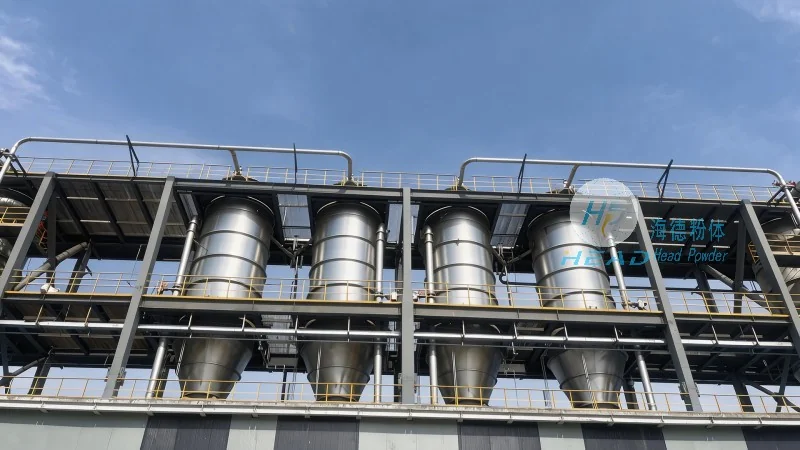
Working Principle: How It Works
The working principle of dry ash pneumatic conveying equipment is based on the principle of fluidization and pneumatic transport. The system uses compressed air to create a flow that carries the dry ash particles through the pipeline. The air pressure is sufficient to overcome the gravitational force of the ash and any friction within the pipeline. The ash particles are suspended in the air stream, forming a dense phase flow. This flow is maintained by the continuous supply of air from the blower. The system's design ensures that the air and ash mixture remains in a stable state, preventing separation or blockages. The key to the system's efficiency is the balance between air pressure and ash flow rate. If the air pressure is too low, the ash may not be fully suspended, leading to blockages. If the pressure is too high, it can cause excessive wear on the components and increase energy consumption. HeadPowder's engineers carefully calculate these parameters to ensure the system operates within optimal conditions. The working principle also involves the use of appropriate materials and design to minimize wear and tear, extending the equipment's lifespan and reducing maintenance costs.
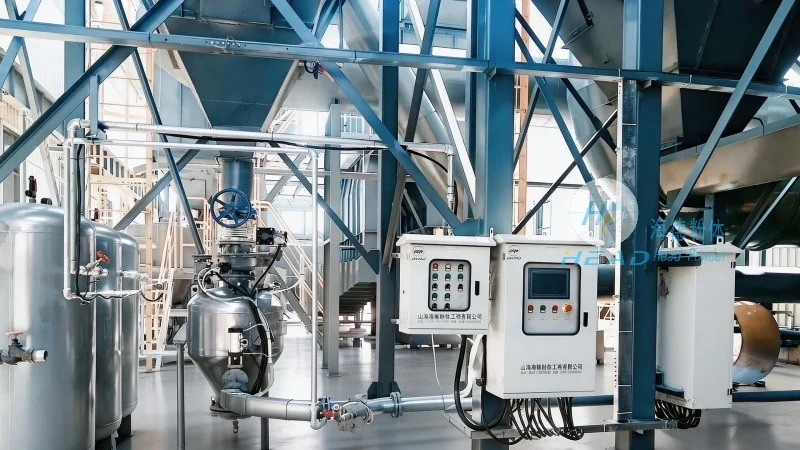
Advantages of Dry Ash Pneumatic Conveying Equipment
There are several advantages to using dry ash pneumatic conveying equipment over traditional methods, such as belt conveyors or truck transport. One of the primary advantages is the ability to transport dry ash over long distances without the need for intermediate storage or handling. This reduces the risk of dust emissions and improves safety in industrial facilities. The system is also more efficient in terms of energy consumption, as it uses compressed air to move the ash rather than mechanical components. This results in lower operational costs and reduced environmental impact. Additionally, the equipment is more flexible, as it can be easily reconfigured to accommodate changes in the facility layout or production needs. The automated nature of the system reduces labor costs and minimizes the risk of human error. HeadPowder's systems are designed to be durable and reliable, with long service life and low maintenance requirements. The company's commitment to quality and innovation ensures that their equipment meets the highest standards of performance and efficiency.
Applications and Industries
Dry ash pneumatic conveying equipment is widely used in various industries, with a primary application in the power generation sector. Power plants use these systems to transport dry ash from the boiler to storage silos or disposal sites. The equipment is also used in other industrial applications, such as cement plants, where dry ash is used as a raw material. In addition, the system is suitable for transporting other dry powders, such as cement, flour, or chemicals. The versatility of the equipment makes it a valuable asset in many industrial settings. HeadPowder's systems are customized to meet the specific needs of each client, ensuring optimal performance and efficiency. The company's expertise in engineering and design allows them to provide solutions tailored to the unique requirements of each project.




