Operation Process and Working Principle of Bone Powder Pneumatic Conveying Equipment
Release time:2026-09-20 07:01:37
name of the company:Shandong Headpowder Engineering Co., Ltd.
telephone:156-6277-7102
contacts:Zhang manager
Shandong HeadPowder Engineering Co., Ltd., a leading manufacturer based in China, specializes in the design and production of advanced pneumatic conveying systems tailored for handling bone powder and similar bulk materials. The company's expertise lies in creating efficient, reliable, and cost-effective solutions that meet the stringent requirements of the food processing, pharmaceutical, and animal feed industries. This article delves into the operation process and working principle of their bone powder pneumatic conveying equipment, highlighting how these systems enhance material handling efficiency and operational safety.
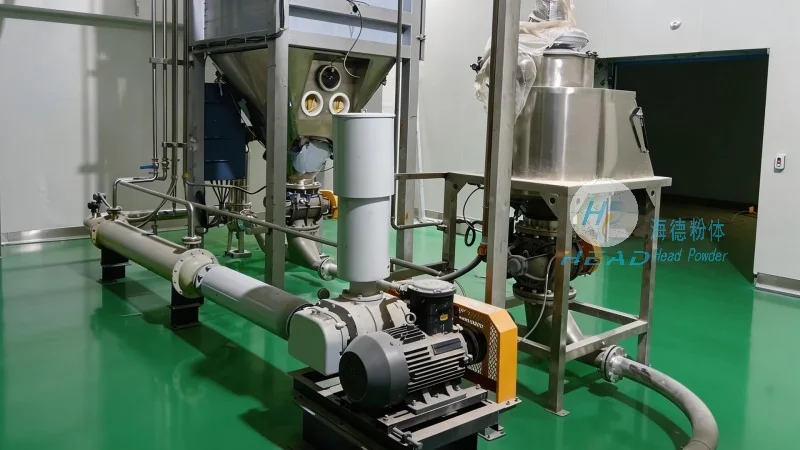
Understanding Pneumatic Conveying Technology
Pneumatic conveying is a method of transporting bulk materials through a pipeline using a gas stream, typically air or other gases. Unlike mechanical conveying systems that rely on belts, screws, or buckets, pneumatic systems use pressure differentials to move materials. For bone powder, which is often fine and dusty, this technology offers several advantages, including reduced product contamination, lower maintenance costs, and the ability to handle materials over long distances without the need for multiple transfer points.
Key Components of the Bone Powder Pneumatic Conveying System
The bone powder pneumatic conveying equipment from Shandong HeadPowder Engineering Co., Ltd. consists of several critical components that work in tandem to ensure smooth material transport. These include:
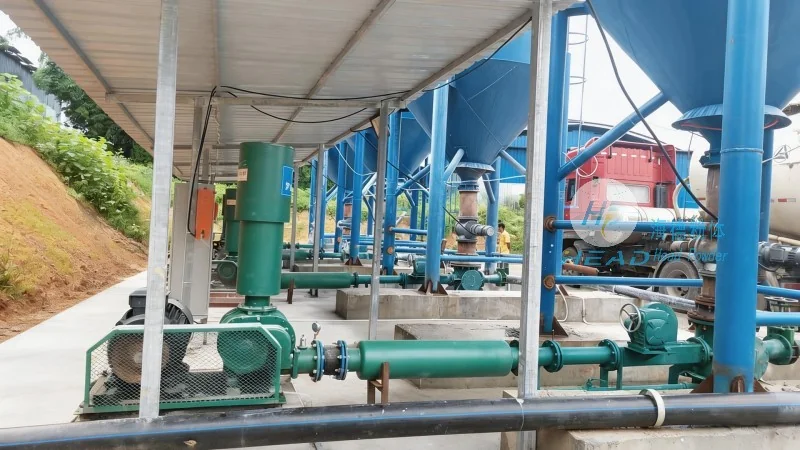
- Feeder: The feeder is responsible for accurately metering the bone powder and feeding it into the conveying line. It ensures a consistent flow rate, preventing blockages and maintaining system efficiency.
- Pneumatic Conveying Pipe: The main pipeline where the air and bone powder mixture travels. The pipe is designed with smooth internal surfaces to minimize friction and reduce material degradation.
- Compressor or Blower: This component generates the necessary air pressure to move the material through the pipeline. The choice of compressor (positive displacement or centrifugal) depends on the system's capacity and the specific characteristics of the bone powder.
- Separation and Collection Unit: At the receiving end, the system separates the air from the bone powder, allowing the product to be collected in a designated container. This unit often includes cyclones or filters to ensure the air is clean and the powder is free from contaminants.
- Control System: An advanced control system monitors and regulates the entire process, adjusting air pressure, flow rates, and other parameters to maintain optimal performance and prevent system failures.
The Operation Process of the Bone Powder Pneumatic Conveying Equipment
The operation of the bone powder pneumatic conveying system involves a series of steps that ensure efficient and safe material transport. Here is a detailed breakdown of the process:
- Material Loading: The bone powder is loaded into the hopper or storage bin. The feeder then meters the material at a controlled rate, ensuring a steady supply to the conveying line.
- Air Intake and Compression: The compressor or blower draws in ambient air and compresses it to the required pressure. This pressurized air is then introduced into the conveying pipe.
- Material Injection and Conveying: The metered bone powder is introduced into the pressurized air stream at the feeder. The air and powder mixture travels through the pipeline, with the air pressure propelling the material forward.
- Transport to Destination: The mixture continues through the pipeline until it reaches the receiving end. The distance and complexity of the pipeline (e.g., bends, vertical lifts) are designed to handle the material's characteristics without causing degradation or blockages.
- Separation and Collection: At the receiving point, the separation unit uses centrifugal force to separate the air from the bone powder. The air is discharged, while the powder is collected in a container or further processed.
- System Monitoring and Adjustment: The control system continuously monitors parameters such as pressure, flow rate, and temperature. If any deviations occur, the system automatically adjusts to maintain optimal performance, ensuring consistent material handling.
Working Principle: How the System Transfers Bone Powder
The working principle of the bone powder pneumatic conveying equipment is based on the interaction between the air stream and the material particles. The key principles include:
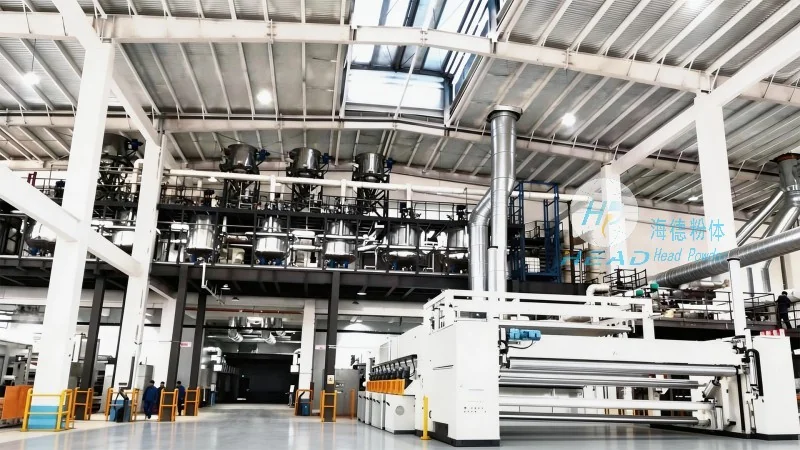
- Fluidization: The pressurized air creates a fluidized bed of bone powder, allowing the particles to move freely and be carried by the air stream. This fluidization reduces particle-to-particle friction and prevents agglomeration.
- Pressure Differential: The system relies on a pressure differential between the feeding point and the receiving point. The higher pressure at the inlet pushes the material through the pipeline, while the lower pressure at the outlet allows for smooth discharge.
- Velocity Control: The velocity of the air stream is carefully controlled to ensure that the bone powder particles are carried without excessive wear or degradation. Proper velocity prevents material deposition on pipe walls and maintains system efficiency.
- Separation Mechanism: The separation unit operates on the principle of centrifugal force, where the heavier bone powder particles are forced to the outer wall of the cyclone or filter, while the air is directed to the center and discharged. This ensures clean separation and prevents cross-contamination.
Advantages of Using Bone Powder Pneumatic Conveying Equipment
Implementing a pneumatic conveying system for bone powder offers numerous benefits that enhance operational efficiency and product quality. Some of the key advantages include:
- Reduced Product Contamination: Unlike mechanical systems that may introduce metal or other contaminants, pneumatic systems use enclosed pipelines, minimizing the risk of product contamination.
- Lower Maintenance Costs: With fewer moving parts compared to mechanical conveyors, pneumatic systems require less maintenance, reducing downtime and operational costs.
- Efficient Material Handling Over Long Distances: Pneumatic conveying can transport bone powder over long distances (up to several kilometers) with minimal loss and no need for intermediate transfer points.
- Improved Safety: The enclosed system reduces dust emissions and the risk of fire or explosion, making it safer for operators and the environment.
- Flexibility in System Design: The system can be easily modified or expanded to accommodate changes in production volume or material handling requirements.
Conclusion: Enhancing Efficiency with Advanced Pneumatic Conveying
Shandong HeadPowder Engineering Co., Ltd. provides high-quality bone powder pneumatic conveying equipment that leverages advanced technology to optimize material handling processes. By understanding the operation process and working principle of these systems, industries can enhance productivity, reduce costs, and ensure the safe and efficient transport of bone powder. The company's commitment to innovation and customer satisfaction makes them a trusted partner for businesses seeking reliable pneumatic conveying solutions.




