For industries dealing with titanium dioxide, efficient material handling is crucial. Pneumatic conveying equipment offers a reliable solution for transporting this fine powder. This article explores the operation process and working principle of such equipment, highlighting how it enhances productivity and safety in material handling operations.
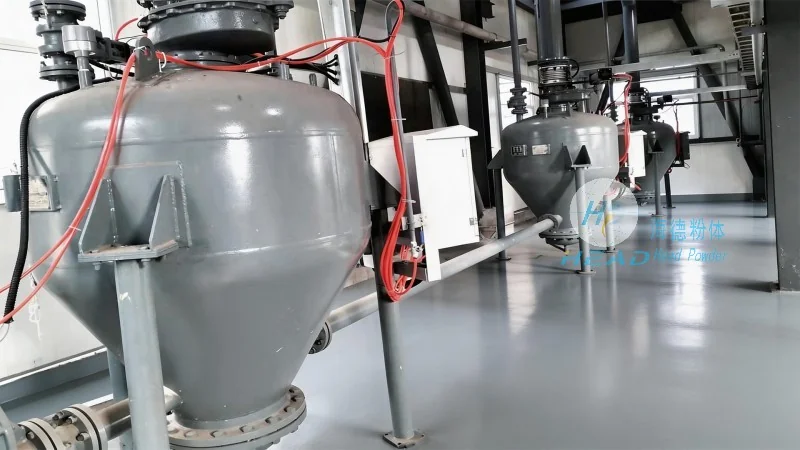
Key Components and Their Roles
Pneumatic conveying systems for titanium dioxide typically consist of several core components. The feed hopper is the initial point where the material is loaded. It ensures a steady supply of titanium dioxide into the system. The conveying line, often made of stainless steel or other corrosion-resistant materials, transports the powder through the system. The air compressor generates the necessary air pressure to move the material. Additionally, filters and cyclones are essential for separating the powder from the air stream, preventing dust contamination and ensuring clean operation.
The Working Principle of Pneumatic Conveying
The core principle of pneumatic conveying is the use of air to transport solid particles. In a pressure system, the air compressor increases the air pressure, which then forces the titanium dioxide particles to move along the conveying line. The particles are suspended in the air stream, allowing them to travel through the system without direct contact with the equipment. This method is particularly effective for fine powders like titanium dioxide, which can be prone to caking or agglomeration if handled with traditional methods.
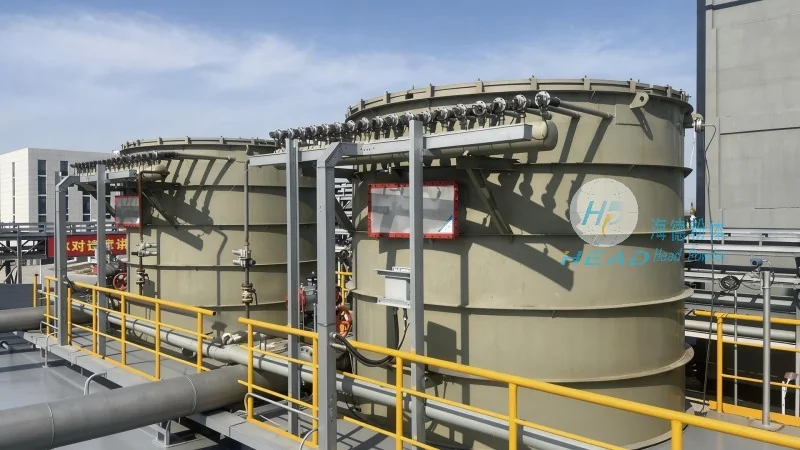
The Operation Process: From Material Loading to Discharge
The operation process of a pneumatic conveying system for titanium dioxide involves several sequential steps. First, the material loading phase: the titanium dioxide is fed into the hopper from a storage silo or container. The hopper is designed to maintain a consistent material level, preventing overfilling or underfilling. Next, the conveying phase: the air compressor starts, increasing the pressure in the system. The compressed air is introduced into the hopper, creating a pressure differential that pushes the powder into the conveying line. The powder travels through the line, guided by the air flow, to the discharge point. Finally, the discharge phase: at the destination, the air pressure is reduced, causing the titanium dioxide to be released from the conveying line into a receiving container. The system then returns to the loading phase, ready for the next batch.
Advantages of Using Pneumatic Conveying Systems for Titanium Dioxide
Pneumatic conveying systems offer several advantages when handling titanium dioxide. Firstly, hygienic and dust-free operation is a significant benefit. The enclosed system prevents dust from spreading, which is crucial for maintaining product quality and compliance with environmental regulations. Secondly, energy efficiency is improved compared to traditional methods like bucket elevators or belt conveyors. The system uses less energy while achieving higher throughput. Thirdly, flexibility in layout is enhanced. The conveying lines can be arranged in various configurations, allowing for complex material flow paths without the need for extensive infrastructure modifications. Additionally, product integrity is maintained. The enclosed environment prevents contamination from external sources, ensuring the titanium dioxide remains pure and free from moisture or other impurities.
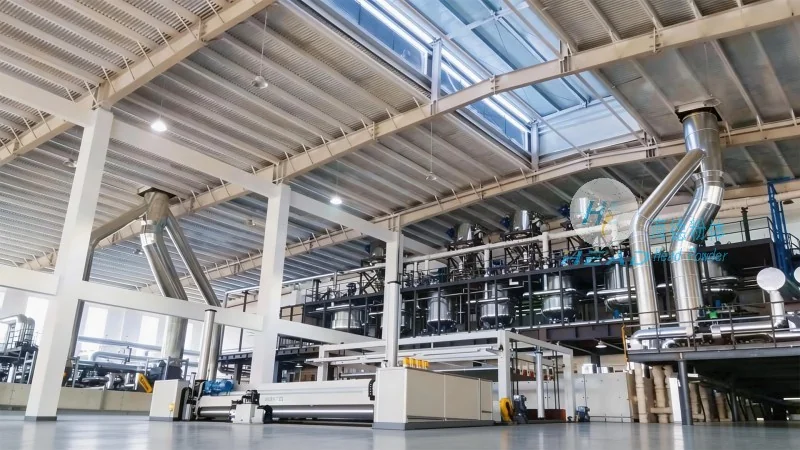
Application Scenarios and Industry Standards
Pneumatic conveying equipment is widely used in the titanium dioxide industry for various applications. It is commonly employed in manufacturing plants where the powder is transported from storage to processing units, such as grinding or coating facilities. The system is also used in packaging lines to move the final product from production to storage or shipping containers. In addition, it is utilized in research and development labs for handling small batches of titanium dioxide for testing and analysis. The equipment adheres to industry standards, such as those set by the International Organization for Standardization (ISO) and American Society of Mechanical Engineers (ASME), ensuring safety and performance. Compliance with these standards is critical for maintaining product quality and meeting regulatory requirements.
Shandong HeadPowder Engineering Co., Ltd., a leading provider of pneumatic conveying solutions, specializes in designing and manufacturing equipment tailored to the needs of the titanium dioxide industry. With a focus on innovation and quality, the company ensures that its systems are reliable, efficient, and safe for handling fine powders. The company’s headquarters is located in Shandong, China, where it serves clients globally with customized solutions that enhance their material handling processes.




