Wood ash, a byproduct of biomass combustion, presents both environmental and resource challenges. Efficient handling and transportation of wood ash are crucial for sustainable waste management and resource recovery. Pneumatic conveying systems offer a reliable solution for moving wood ash from collection points to processing facilities or disposal sites. This article explores the operation process and working principle of wood ash pneumatic conveying equipment, highlighting its key components, operational steps, and the technical aspects that ensure effective and safe material transport.
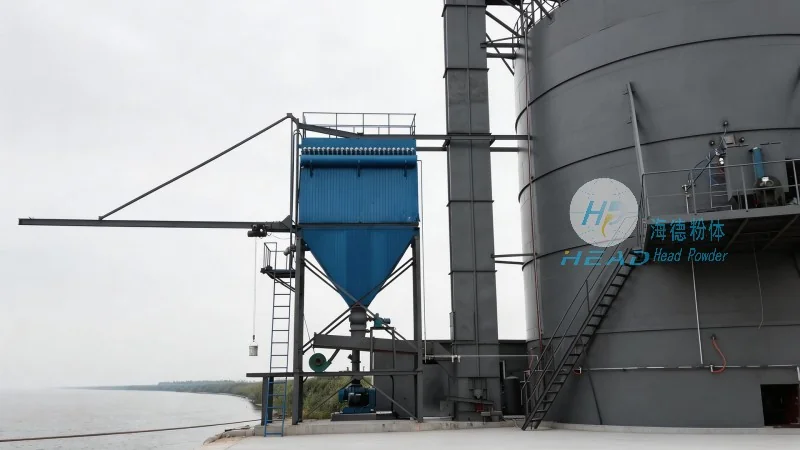
Company Overview: HeadPowder
HeadPowder, a leading provider in the field, specializes in designing and manufacturing advanced pneumatic conveying solutions tailored to the unique requirements of wood ash handling. With a strong presence in Shandong, China, the company combines years of industry experience with cutting-edge technology to deliver high-performance equipment that meets the demands of modern waste management operations.
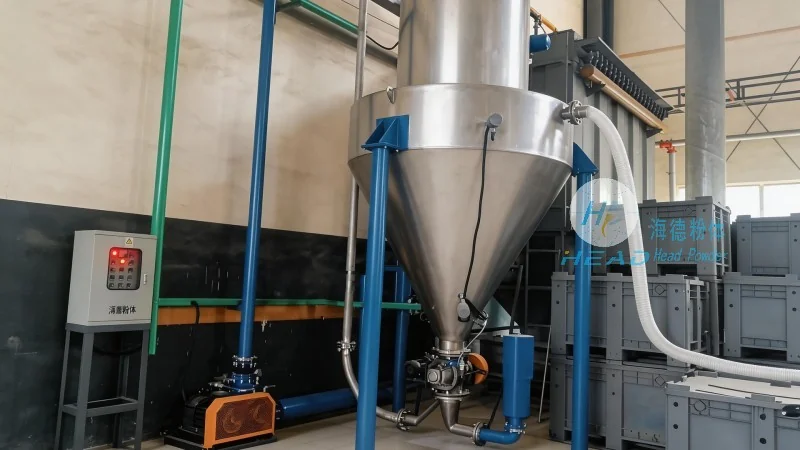
Working Principle of Pneumatic Conveying Systems for Wood Ash
The core principle of pneumatic conveying for wood ash involves the use of air to transport solid particles through a pipeline. The system typically operates under positive pressure, where a fan or blower generates airflow that pulls or pushes the wood ash particles along the conveying line. Key components include the ash collection hopper, a rotary valve for controlled material discharge, a conveying pipeline, and a receiver or discharge hopper at the destination. The process begins with the wood ash being fed into the hopper, where it is then metered into the pipeline by the rotary valve. The fan creates a pressure differential, drawing the ash particles into the line and transporting them to the receiving end. This method eliminates the need for mechanical components like belts or buckets, reducing maintenance and increasing operational efficiency.
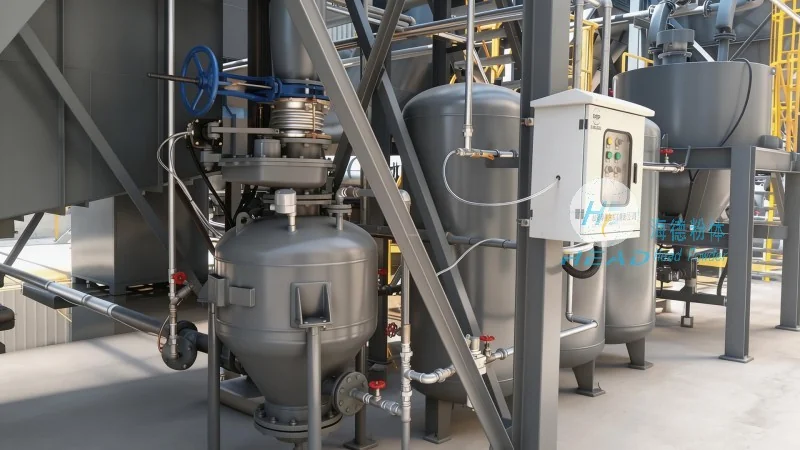
Operation Process of Wood Ash Pneumatic Conveying Equipment
The operation of wood ash pneumatic conveying equipment follows a systematic sequence to ensure smooth and continuous material transport. The process starts with the loading of wood ash into the initial collection hopper. The rotary valve, controlled by a programmable logic controller (PLC), regulates the flow rate of ash into the conveying pipeline. The fan or blower then activates, establishing the necessary airflow to move the particles. As the ash enters the pipeline, it is carried by the air stream, which may include additional air or a combination of positive and negative pressure depending on the system design. The conveying line is typically made of durable materials such as stainless steel or high-density polyethylene to withstand the abrasive nature of wood ash and prevent clogging. At the receiving end, the ash is deposited into a discharge hopper, where it can be further processed or disposed of. The system continuously monitors pressure, flow rate, and other parameters to maintain optimal performance and detect any potential issues, such as blockages or air leaks.
Key Features and Advantages of Wood Ash Pneumatic Conveying Equipment
Wood ash pneumatic conveying equipment from HeadPowder offers several advantages that make it suitable for industrial applications. The positive pressure system ensures reliable transport even over long distances and at varying heights, making it ideal for facilities with complex layouts. The absence of moving parts in the conveying line reduces wear and tear, leading to lower maintenance costs and longer equipment lifespan. Additionally, the system is highly flexible, allowing for easy integration with existing infrastructure and modifications to accommodate changing production needs. The use of stainless steel components provides corrosion resistance, ensuring the equipment remains durable in harsh environments. HeadPowder’s expertise in customizing systems ensures that clients receive solutions optimized for their specific wood ash characteristics, such as particle size, moisture content, and bulk density.
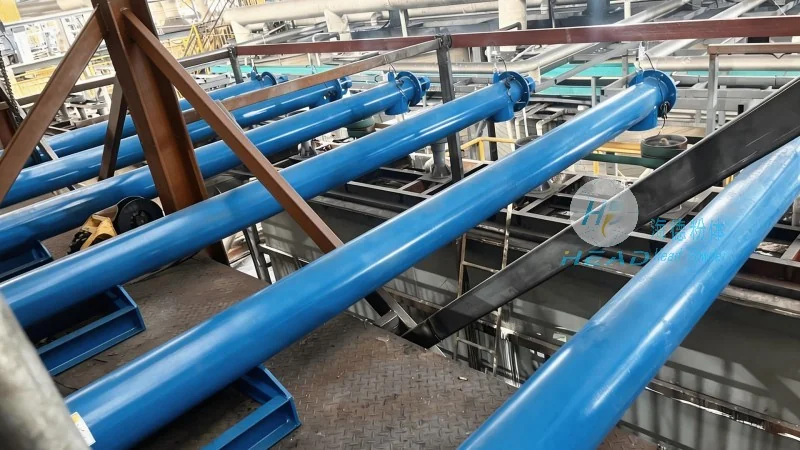
Application and Impact
HeadPowder’s wood ash pneumatic conveying equipment is widely used in power plants, biomass energy facilities, and waste management centers. By efficiently transporting wood ash, these systems contribute to improved operational efficiency, reduced labor costs, and enhanced safety. The technology also supports sustainable practices by enabling the reuse of wood ash in construction materials or as a soil amendment, reducing the environmental impact of ash disposal. The company’s commitment to quality and customer satisfaction is reflected in its comprehensive after-sales support, including maintenance services and technical assistance to ensure the equipment operates at peak performance throughout its lifecycle.




