Wood fiber pneumatic conveying lines are specialized systems designed to transport wood fibers efficiently and reliably. These systems are crucial in various industrial applications, particularly in the pulp and paper industry, where the handling of fibrous materials is essential for production processes. The technology behind these lines combines pneumatic principles with mechanical components to ensure smooth material movement from source to destination.
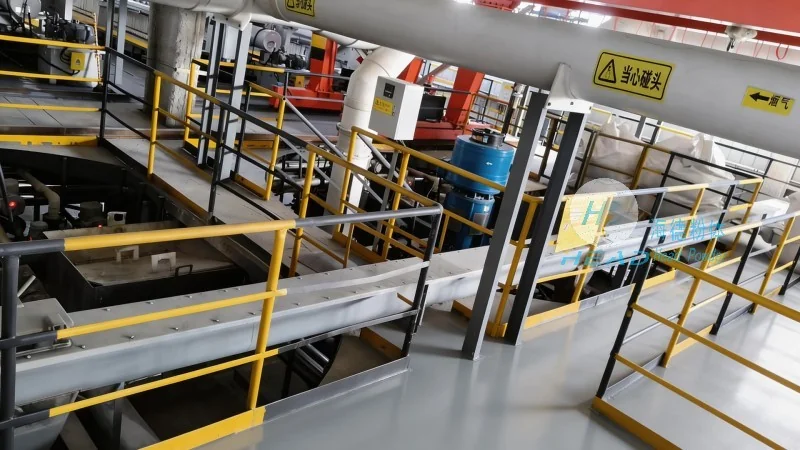
Key Components of a Wood Fiber Pneumatic Conveying System
A typical wood fiber pneumatic conveying line consists of several core components that work in tandem to achieve effective material transport. The primary elements include a material hopper or feeder, which holds the wood fibers and feeds them into the system. A blower or air compressor provides the necessary air pressure to move the fibers through the pipeline. The pipeline itself is often made of durable materials such as stainless steel or high-density polyethylene to withstand the abrasive nature of wood fibers and prevent blockages. Additionally, the system may include filters, cyclones, or separation units to clean the air and separate any debris from the fibers. These components are strategically arranged to optimize the conveying process and maintain system efficiency.
The Operation Process of Wood Fiber Pneumatic Conveying
The operation of a wood fiber pneumatic conveying line begins with the loading of wood fibers into the material hopper. The feeder then regulates the flow of fibers into the pipeline, ensuring a consistent feed rate. As the fibers enter the pipeline, the blower generates a high-pressure air stream that propels the fibers forward. The air and fibers travel through the pipeline, with the fibers being suspended and carried by the air current. The system may include bends, valves, or other fittings to direct the flow and maintain the pressure. At the receiving end, the fibers are deposited into a storage bin or processing unit. The air, now filtered to remove any residual fibers, is discharged back into the environment or recycled within the system. This continuous cycle allows for efficient and automated handling of wood fibers, reducing labor costs and improving production throughput.
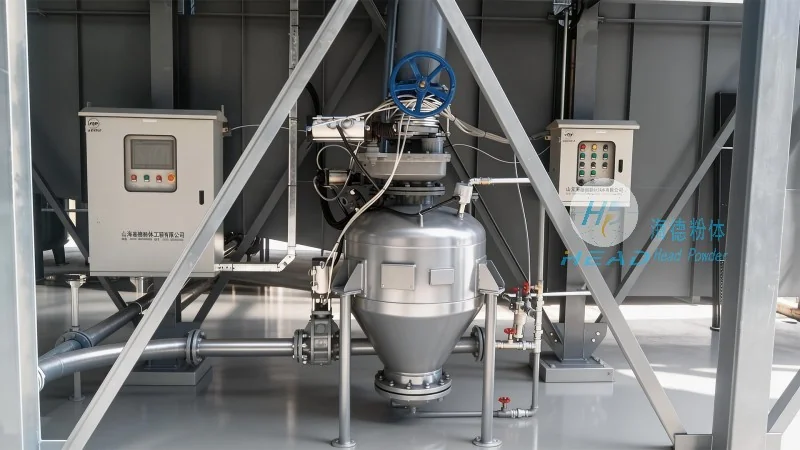
Working Principle of Pneumatic Conveying for Wood Fibers
The working principle of a wood fiber pneumatic conveying line is based on the principles of fluid dynamics and particle transport. When air is forced through the pipeline at a sufficient velocity, it creates a low-pressure zone that draws the wood fibers into the air stream. The fibers are then carried along with the air, forming a suspension that moves through the system. The key to effective conveying is maintaining the air velocity above the "minimum conveying velocity," which is the speed at which the fibers are no longer supported by the air and would fall out of the stream. This velocity varies depending on the size, density, and moisture content of the wood fibers, as well as the pipeline diameter and air pressure. Proper system design ensures that the air velocity remains within the optimal range for efficient transport, minimizing energy consumption and preventing system blockages.
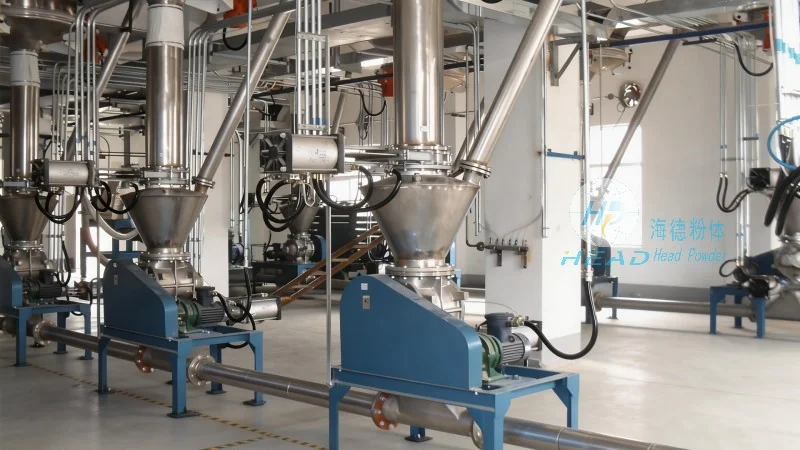
Advantages of Using Wood Fiber Pneumatic Conveying Systems
Wood fiber pneumatic conveying systems offer several advantages over traditional mechanical conveying methods. One of the primary benefits is the ability to transport materials over long distances without the need for multiple transfer points or elevators. This reduces the overall footprint of the system and simplifies the layout of industrial facilities. Additionally, pneumatic conveying is less prone to material degradation compared to mechanical systems, as the fibers are not subjected to friction or impact that could damage their structure. The system also provides better control over the flow rate and pressure, allowing for precise regulation of the conveying process. Furthermore, pneumatic conveying can handle a wide range of fiber sizes and moisture contents, making it versatile for various applications. These advantages make wood fiber pneumatic conveying lines a preferred choice for many industries, particularly those requiring high-volume and continuous material handling.
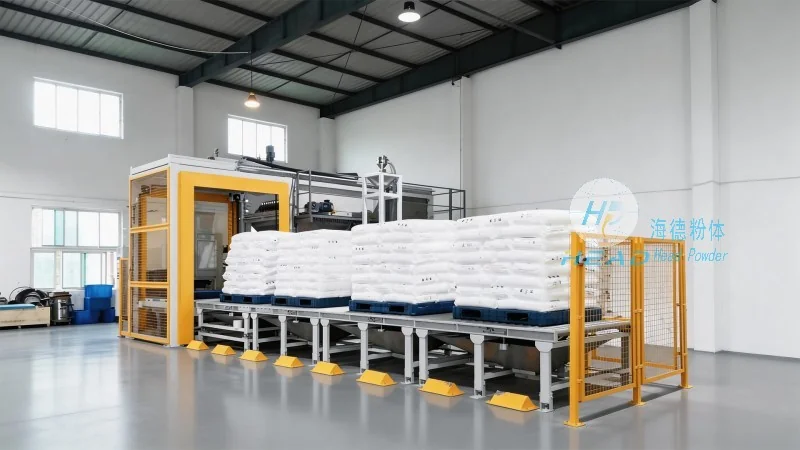
Applications and Industries Using Wood Fiber Pneumatic Conveying
Wood fiber pneumatic conveying systems are widely used in several industries that rely on the processing of fibrous materials. The pulp and paper industry is the largest user, as these systems are essential for transporting wood chips, pulp, and other raw materials to processing plants. In the woodworking industry, pneumatic conveying is used to move sawdust, shavings, and other wood waste from production lines to storage or recycling facilities. The agricultural sector also utilizes these systems for handling straw, hay, and other plant materials, particularly in the production of biofuels or animal feed. Additionally, the construction industry may use pneumatic conveying for transporting wood-based insulation materials or other building components. These applications highlight the versatility and importance of wood fiber pneumatic conveying lines in modern industrial operations.
Maintenance and Operational Considerations for Wood Fiber Pneumatic Conveying Lines
Proper maintenance is crucial to ensure the longevity and efficiency of wood fiber pneumatic conveying systems. Regular inspection of components such as the blower, pipeline, and filters is necessary to prevent wear and tear or blockages. The material hopper and feeder should be cleaned periodically to remove accumulated debris or moisture, which can affect the flow rate and system performance. The air filters and separation units must be checked and replaced as needed to maintain air quality and prevent system contamination. Additionally, monitoring the air pressure and flow rate during operation helps identify any issues early on, allowing for timely adjustments or repairs. Proper training of operators on the system's operation and maintenance procedures is also essential to ensure safe and efficient use. By following these maintenance practices, users can maximize the lifespan of their wood fiber pneumatic conveying lines and minimize downtime or operational issues.




