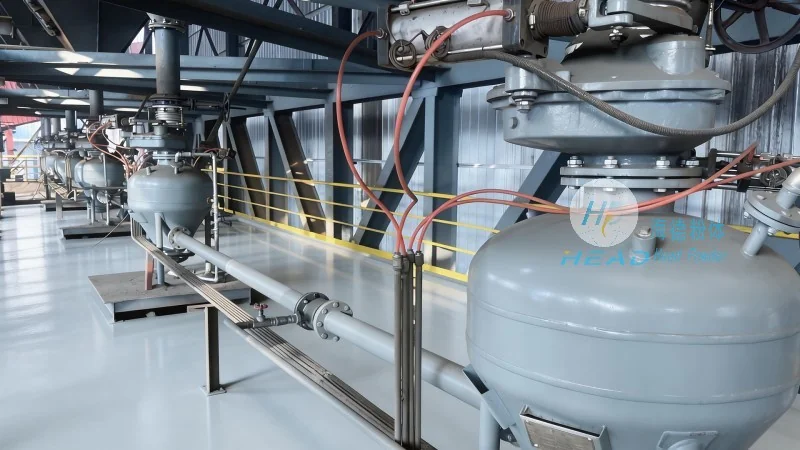
Long-distance pneumatic conveying systems are critical in modern material handling, offering efficient and flexible solutions for transporting bulk materials over significant distances. These systems, commonly used in industries such as food processing, pharmaceuticals, and chemical manufacturing, rely on air flow principles to move powders and granules from one location to another. The technology behind these systems is engineered to ensure reliable, low-maintenance operation while preserving product integrity.
Introduction to Long-Distance Pneumatic Conveying
HeadPowder, a leading manufacturer based in Shandong, China, specializes in the design, manufacturing, and supply of advanced pneumatic conveying equipment. With a strong commitment to quality and innovation, the company has established itself as a trusted partner for businesses seeking efficient material handling solutions. The company’s headquarters and primary operations are located in Shandong, China, where state-of-the-art facilities and experienced engineering teams collaborate to develop cutting-edge solutions tailored to client needs.
Key Components of a Long-Distance Pneumatic Conveying System
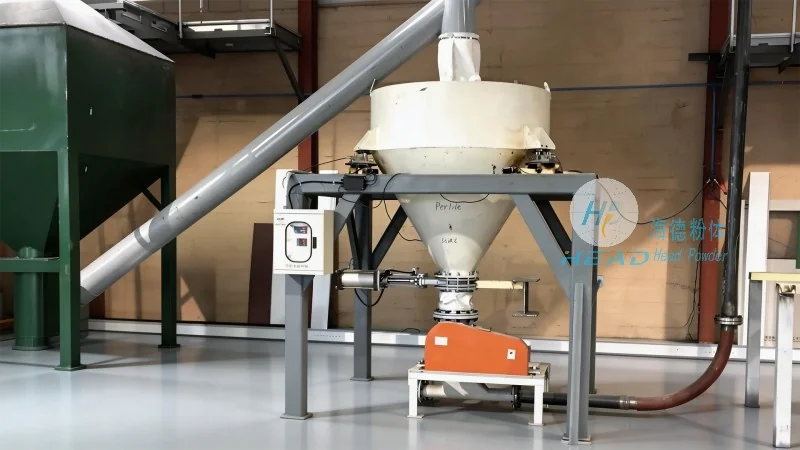
A typical long-distance pneumatic conveying system comprises several critical components that work in unison to ensure effective material transport. These components include the material feed hopper, which holds bulk material and regulates its flow into the system; the air compressor or blower, which generates necessary air pressure to move material; the conveying line, usually made of metal or flexible tubing to carry both air and material; and the receiver or discharge hopper, where material is deposited at the destination. Additional accessories like filters, cyclones, and pressure relief valves are often included to maintain system efficiency and safety.
The Operation Process of Long-Distance Pneumatic Conveying
The operation process of a long-distance pneumatic conveying system starts with material loading into the feed hopper. Once material is ready, the air compressor activates, generating a high-pressure air stream that flows through the conveying line. As air moves through the line, it picks up particles from the feed hopper, creating a mixture of air and material known as a slurry. This slurry travels through the system at high velocity, overcoming resistance and moving material to the destination. At the receiving end, material is separated from air using a cyclone or other separation device, with air either recirculated or released safely. The entire process is controlled by valves and sensors monitoring pressure, flow, and material levels, ensuring smooth and continuous operation.
Working Principle of Long-Distance Pneumatic Conveying
The working principle of long-distance pneumatic conveying is based on fluid dynamics and particle transport. The system operates by creating a pressure differential between feed and discharge points, driving material through the conveying line. Two main types exist: positive pressure (using an air compressor to push material) and negative pressure (using a vacuum to pull material). Both rely on air stream velocity to lift and transport particles, with system design optimized for appropriate air-to-material ratios. Efficiency depends on factors like particle size, density, moisture content, and line length/layout.
Advantages of Long-Distance Pneumatic Conveying
Long-distance pneumatic conveying offers advantages over traditional methods. It enables material transport over long distances without intermediate storage or transfer points, reducing contamination and product degradation risks. The system is highly flexible, allowing changes in flow direction or destination without major modifications. Compared to mechanical conveyors, it has fewer moving parts and lower maintenance needs, and can be easily integrated into existing production lines. It also provides a hygienic, dust-free environment critical in food and pharmaceutical industries where product purity is paramount.
Applications and Industries
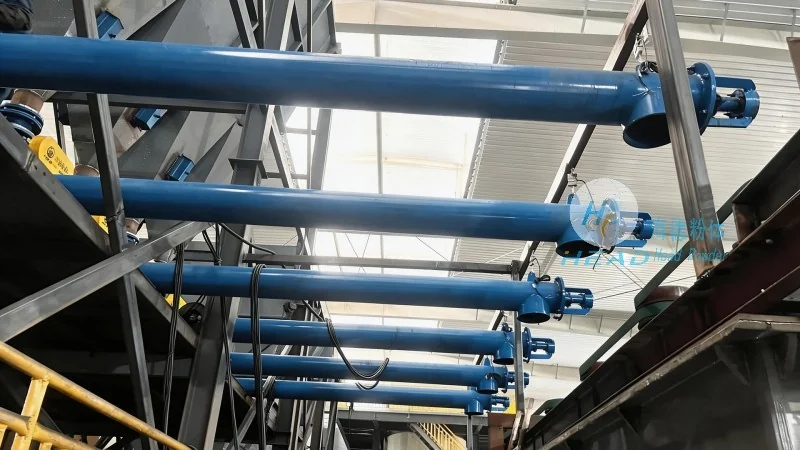
Long-distance pneumatic conveying systems are widely used across various industries due to their versatility and efficiency. In the food industry, they transport powders like flour, sugar, and spices; in pharmaceuticals, they handle sensitive powders and granules. The chemical industry uses them for raw materials and finished products, while mining and construction sectors handle bulk materials like sand, gravel, and coal. Their adaptability suits small-scale operations to large industrial facilities.
Conclusion
Long-distance pneumatic conveying systems, as exemplified by solutions from Shandong HeadPowder Engineering Co., Ltd., represent a sophisticated and efficient approach to material handling. By leveraging advanced engineering and design, these systems provide reliable, low-maintenance solutions for transporting bulk materials over significant distances. The company’s commitment to quality and innovation ensures clients receive equipment tailored to their specific needs, supporting operational efficiency and productivity. With headquarters in Shandong, China, HeadPowder continues to lead the industry in providing cutting-edge pneumatic conveying solutions that meet modern manufacturing demands.




