HeadPowder, a leading provider of industrial conveying solutions, specializes in the design, manufacturing, and installation of advanced quicklime pneumatic conveying systems. Based in Shandong, China, the company has established itself as a trusted partner for clients seeking efficient and reliable material handling solutions. This article delves into the operational workflow and underlying principles of quicklime pneumatic conveying equipment, highlighting the key components, processes, and technical aspects that ensure optimal performance.
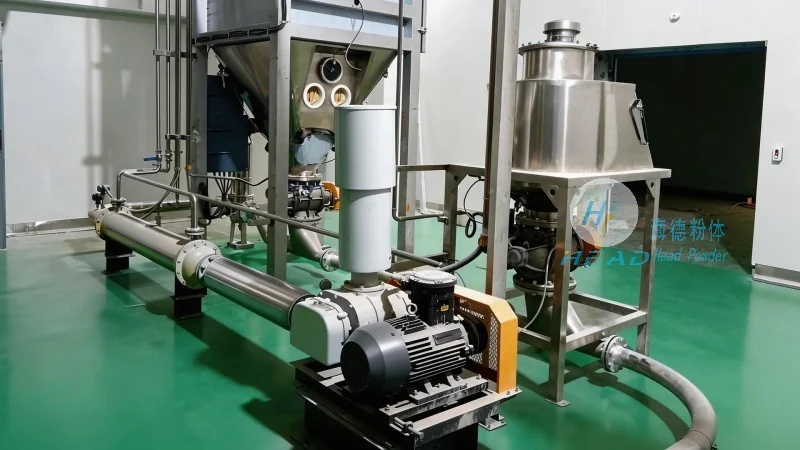
Overview of Quicklime Pneumatic Conveying Systems
Quicklime, or calcium oxide (CaO), is a widely used industrial material in sectors such as steelmaking, chemical production, and environmental remediation. Traditional handling methods for quicklime often involve manual or mechanical conveying, which can be labor-intensive, time-consuming, and pose safety risks due to the material's dustiness and reactivity. To address these challenges, pneumatic conveying systems have emerged as a superior alternative, offering a closed-loop, dust-free, and automated solution for transporting quicklime from storage to processing units.
Key Components of the Quicklime Pneumatic Conveying System
The quicklime pneumatic conveying system typically consists of several critical components that work in tandem to facilitate material transport. These include a hopper or storage silo for storing quicklime, a feeder mechanism to control the flow of material, a conveying line (usually made of stainless steel or other corrosion-resistant materials), a blower or air compressor to generate the necessary airflow, and a receiver or discharge hopper at the destination point. Each component plays a vital role in ensuring the system operates smoothly and efficiently.
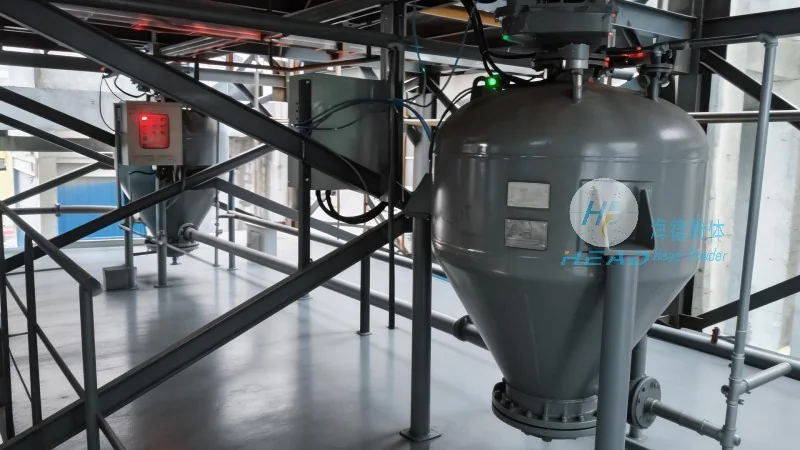
The Operating Process of the Quicklime Pneumatic Conveying System
The operation of the quicklime pneumatic conveying system follows a systematic sequence, starting with the loading of quicklime into the storage hopper. The feeder then regulates the flow of material, feeding it into the conveying line at a controlled rate. Simultaneously, the blower generates a high-velocity airflow that carries the quicklime particles through the pipeline. As the material travels, it is propelled by the air stream, overcoming gravitational and frictional forces. At the receiving end, the air and quicklime are separated, with the quicklime collected in the discharge hopper and the air either filtered and recirculated or vented to the atmosphere. This process is continuous, allowing for a steady and consistent supply of quicklime to downstream processes.
Working Principle of the Quicklime Pneumatic Conveying System
The core principle behind the quicklime pneumatic conveying system is the use of air as a medium to transport solid particles. This is achieved through the creation of a high-velocity air stream that entrains the quicklime particles, forming a slurry-like mixture known as a "pneumatic stream." The air velocity must be sufficient to overcome the gravitational force acting on the particles and to provide the necessary lift and momentum for transport. The system relies on the principle of fluidization, where the air flow causes the quicklime particles to behave like a fluid, allowing them to be moved through the pipeline without the need for mechanical components like belts or buckets. This fluidization process ensures minimal wear and tear on the equipment and reduces the risk of material degradation or contamination.
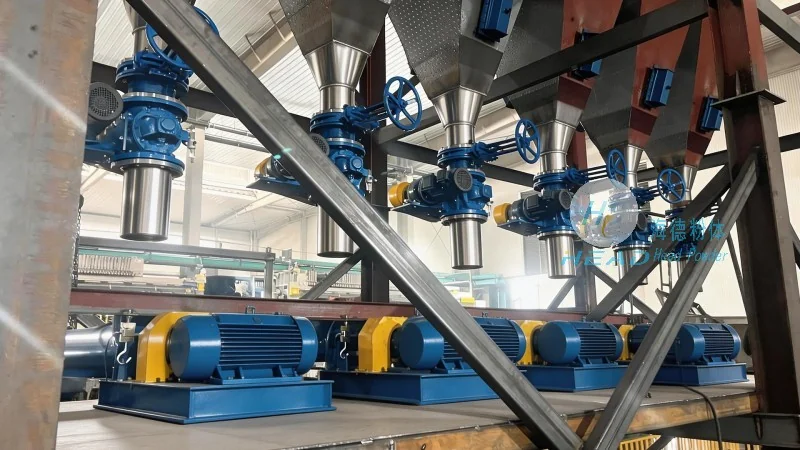
Advantages of Quicklime Pneumatic Conveying Systems
Quicklime pneumatic conveying systems offer numerous advantages over traditional conveying methods. Firstly, they provide a dust-free environment, which enhances workplace safety and reduces the risk of respiratory issues among operators. Secondly, the closed-loop design minimizes material loss and contamination, ensuring that the quicklime delivered to processing units is of high quality and consistent. Thirdly, the automated nature of the system reduces labor costs and improves operational efficiency, allowing for continuous operation with minimal downtime. Additionally, the system's flexibility allows for easy integration with existing production lines and can be scaled to accommodate varying production demands.
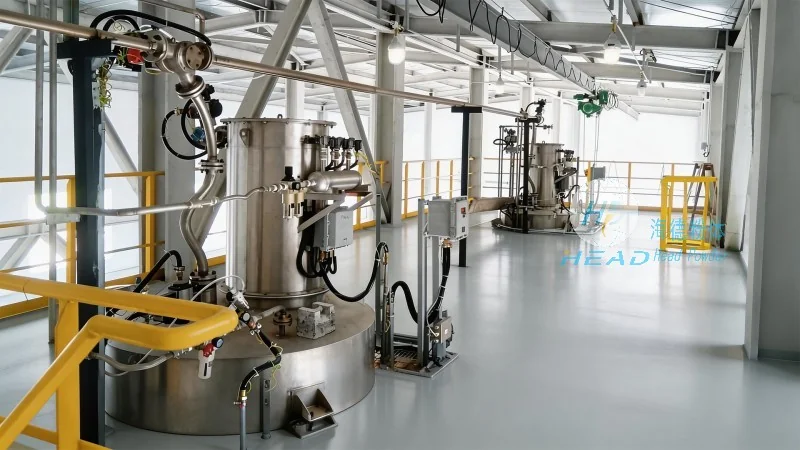
Applications and Industries Served
Quicklime pneumatic conveying systems are widely used in various industries that require the handling of quicklime. These include the steel industry, where quicklime is used as a flux in the blast furnace process; the chemical industry, for the production of calcium-based chemicals; and the environmental sector, where quicklime is used for neutralizing acidic waste and treating contaminated soils. The systems are also employed in power plants for flue gas desulfurization, where quicklime is used to remove sulfur dioxide from exhaust gases. HeadPowder's quicklime pneumatic conveying systems are designed to meet the specific requirements of these industries, ensuring reliable and efficient material transport.
Maintenance and Operational Considerations
To ensure the long-term performance and reliability of the quicklime pneumatic conveying system, regular maintenance is essential. This includes inspecting and cleaning the conveying line and components to prevent blockages and corrosion, checking the blower and air compressor for proper operation, and monitoring the feeder and control systems for any malfunctions. Additionally, the system should be operated within the recommended parameters, such as air pressure and flow rate, to avoid excessive wear and tear on the equipment. Proper training of operators is also crucial to ensure safe and efficient operation of the system. By following these maintenance and operational guidelines, the quicklime pneumatic conveying system can provide years of reliable service, delivering consistent performance and minimizing downtime.




