HeadPowder, a leading provider in the field of material handling solutions, specializes in the design, manufacturing, and installation of advanced pneumatic conveying systems tailored for various industrial applications. This article focuses on the operational process and working principles of a typical oat flour pneumatic conveying system, highlighting the key components, their functions, and the step-by-step procedure for its efficient operation.
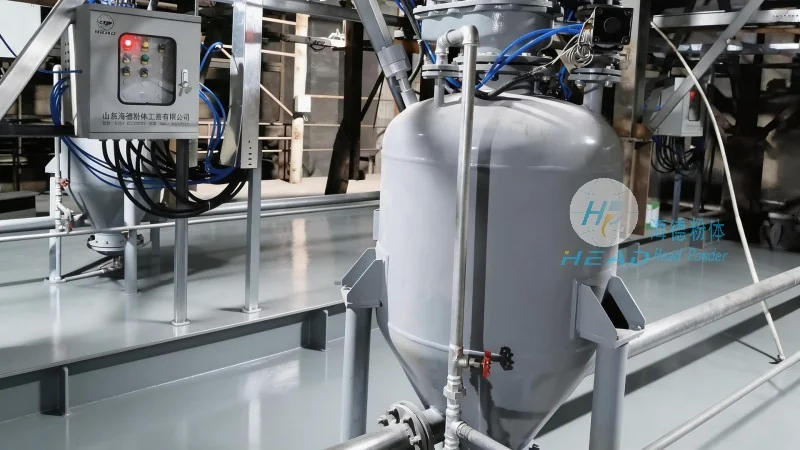
Key Components of the Oat Flour Pneumatic Conveying System
The oat flour pneumatic conveying system typically consists of several critical components that work in tandem to ensure smooth material transport. These include a hopper for material storage, a rotary valve or feeder to control the flow of oat flour, a positive displacement blower or air compressor to generate the necessary air pressure, a pipeline network to convey the material, and a receiver or silo for the discharged product. Each component plays a vital role in maintaining the system's efficiency and reliability.
Working Principle of the Pneumatic Conveying System
The core principle of pneumatic conveying is the use of compressed air to transport bulk materials like oat flour through a pipeline. In this system, the rotary valve or feeder first meters the oat flour into the pipeline. Simultaneously, the positive displacement blower creates a high-pressure air stream that propels the material forward. The air and material mixture travels through the pipeline, with the air providing the necessary force to move the oat flour. The receiver at the end of the pipeline collects the conveyed oat flour, separating it from the air through a filter or cyclone system.
Step-by-Step Operational Process
The operation of the oat flour pneumatic conveying system follows a systematic sequence to ensure consistent and efficient material handling. Here are the key steps involved:
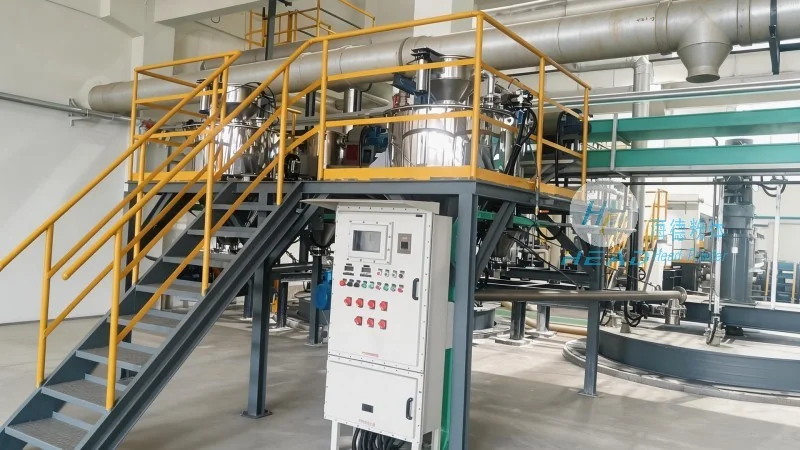
1. **Material Loading**: Oat flour is stored in the hopper, which is connected to the system's inlet. The rotary valve or feeder regulates the flow rate, ensuring a steady supply of material into the pipeline.
2. **Air Compression**: The positive displacement blower or air compressor is activated, generating a high-pressure air stream. The pressure is adjusted to match the system's requirements, typically ranging from 0.5 to 1.5 bar depending on the pipeline length and material characteristics.
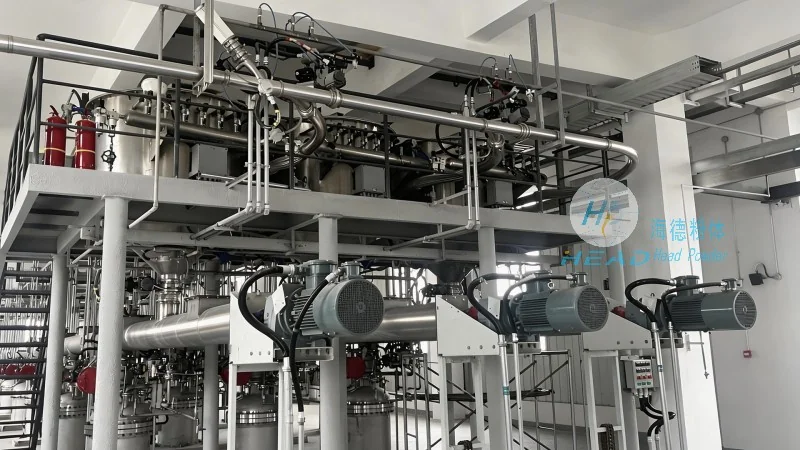
3. **Material Conveyance**: As the air pressure builds, the rotary valve releases the metered oat flour into the pipeline. The high-pressure air entrains the material, forming a slurry-like mixture that travels through the pipeline to the receiver.
4. **Product Discharge**: Upon reaching the receiver, the air and material mixture enters a separation unit, such as a cyclone or filter. The air is expelled, and the oat flour is collected in the receiver, ready for further processing or packaging.
Ensuring System Efficiency and Maintenance
To maintain optimal performance, regular maintenance is essential. This includes checking the blower's air pressure and flow rate, inspecting the rotary valve for proper sealing, cleaning the pipeline and separation equipment to prevent clogging, and monitoring the system's overall pressure and flow indicators. Proper maintenance ensures the system operates efficiently, minimizing downtime and maximizing productivity.




