Carbon black powder is a vital raw material in industries like rubber, plastics, and pigments, where its quality and consistency directly impact final product performance. Efficient and reliable transportation of carbon black powder from storage to processing units is crucial for maintaining production efficiency and product quality. The pneumatic conveying system, a specialized equipment designed for handling fine powders like carbon black, offers a solution that combines performance with operational flexibility. This article explores the operation process and working principle of such systems, highlighting the key components and the steps involved in their functioning. The information is provided by Shandong HeadPowder Engineering Co., Ltd., a leading manufacturer in the field of powder handling equipment based in China.
Key Components of the Pneumatic Conveying System
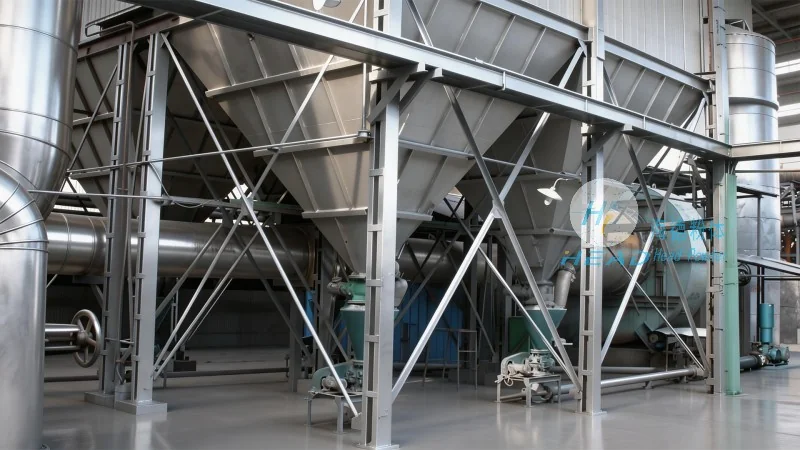
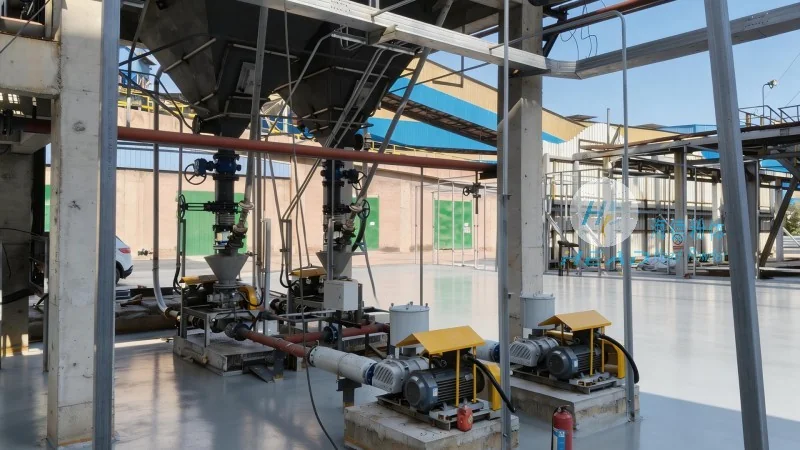
The carbon black powder pneumatic conveying system typically consists of several interconnected components that work in harmony to transport the material. The primary components include a hopper or storage silo for holding the carbon black powder, a conveyor line (often a pipeline), a blower or air compressor to generate the necessary airflow, a control system for regulating pressure and flow, and a discharge unit at the receiving end. Each component plays a crucial role in ensuring the smooth and safe operation of the system. The storage hopper is designed to hold large quantities of carbon black powder, providing a consistent feed to the conveyor line. The conveyor line, usually made of stainless steel or other corrosion-resistant materials, is the main pathway for the powder and air mixture. The blower or air compressor is the power source, generating the high-pressure airflow required to move the powder. The control system monitors and adjusts the system parameters to maintain optimal performance, preventing issues like clogging or excessive pressure. The discharge unit at the receiving end collects the carbon black powder and separates it from the air.
Working Principle of the Pneumatic Conveying System
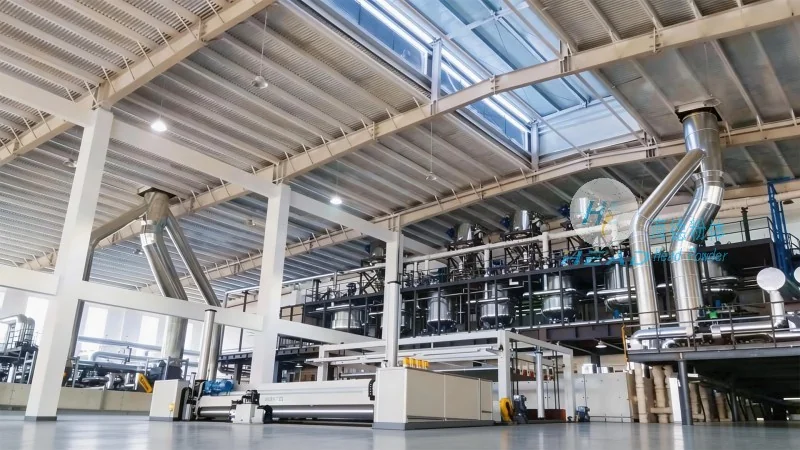
The core of the pneumatic conveying system lies in the use of air to move the carbon black powder through the pipeline. The process begins with the powder being fed from the storage hopper into the conveyor line. Simultaneously, the blower generates a high-pressure airflow that travels through the pipeline. As the air flows, it creates a low-pressure zone that draws the carbon black powder particles into the air stream. The combination of the air and powder forms a dense mixture, which is then propelled through the pipeline to the discharge point. At the receiving end, the air and powder mixture is processed through a separation unit, typically a cyclone separator or a filter. This unit separates the carbon black powder from the air, allowing the powder to be collected in the designated container while the air is either vented or recycled back into the system. The separation process is critical to ensure that the carbon black powder is not contaminated and that the air is handled safely.
Operation Process of the Carbon Black Powder Pneumatic Conveying System
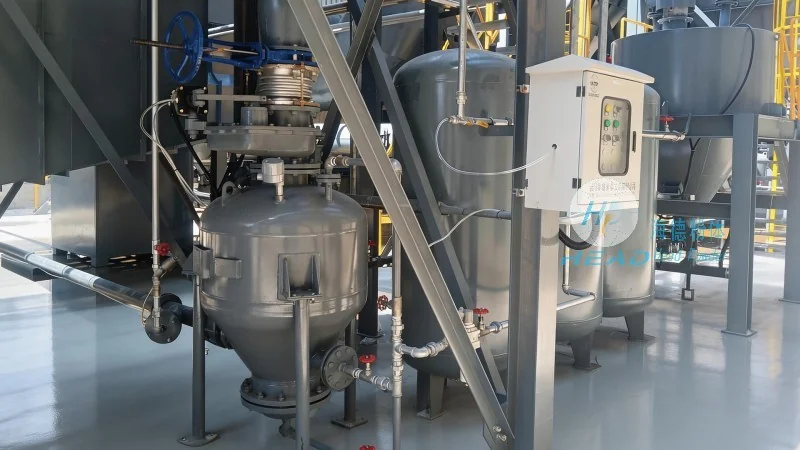
The operation of the carbon black powder pneumatic conveying system follows a systematic sequence of steps to ensure consistent and efficient material transport. The process starts with the preparation phase, where the carbon black powder is loaded into the storage hopper. The system then initiates the air supply, which is controlled by the blower to maintain the required pressure and flow rate. As the air starts moving, the powder is gradually drawn into the conveyor line, forming a stable flow. The control system continuously monitors the pressure and flow parameters, adjusting the blower speed or air volume as needed to maintain optimal performance. During the conveying phase, the system ensures that the powder is transported without clogging or degradation. The speed and pressure are carefully controlled to prevent the powder from settling or causing blockages in the pipeline. Upon reaching the discharge point, the air and powder mixture is processed through the separation unit, where the carbon black powder is collected and the air is either vented or recycled. The system then returns to the standby mode until the next batch of material is ready for transport. The entire process is automated to a large extent, reducing the need for manual intervention and ensuring consistent results.




