HeadPowder, a leading manufacturer based in Shandong, China, specializes in the design, production, and supply of advanced pneumatic conveying equipment tailored for the handling of seasoning powder materials. This article provides a detailed exploration of the operation process and working principle of such equipment, highlighting its efficiency, reliability, and suitability for industrial applications.
Introduction to Pneumatic Conveying Systems for Seasoning Powders
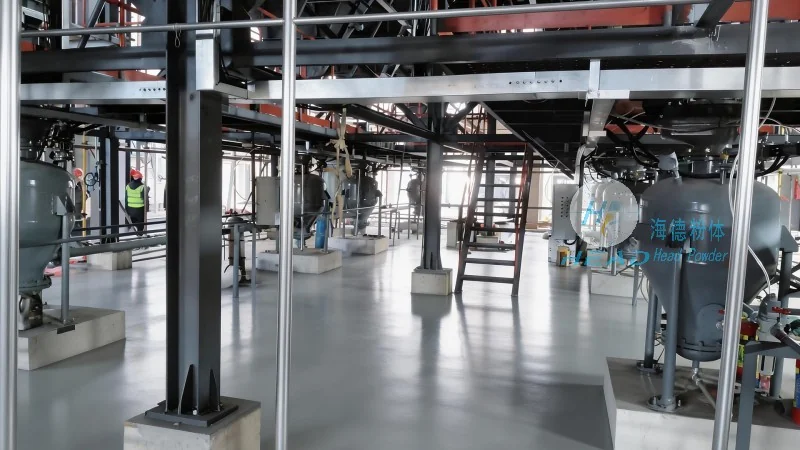
Pneumatic conveying systems are essential in the food processing industry for transporting fine powders like seasoning powders, which require gentle handling to preserve their quality and prevent caking or degradation. These systems utilize air or gas to move materials through a pipeline, offering a dust-free, hygienic, and efficient method compared to traditional mechanical conveying methods. HeadPowder's equipment is engineered to meet stringent industry standards, ensuring safe and effective material transport in food processing environments.
Working Principle of Pneumatic Conveying Equipment
The core working principle of pneumatic conveying equipment involves the use of a vacuum or pressure system to create airflow that transports the powder. In a typical setup, the system consists of a hopper, a conveyor line, and a receiver. The process begins with the powder being fed into the hopper, where it is then drawn into the conveyor line by a vacuum pump or pushed by a positive pressure blower. The air-powder mixture travels through the pipeline, and the powder is separated from the air at the receiver, often using a cyclone separator or a filter system. This separation ensures that the powder is collected in a clean and dry state, ready for further processing or packaging.
Step-by-Step Operation Process
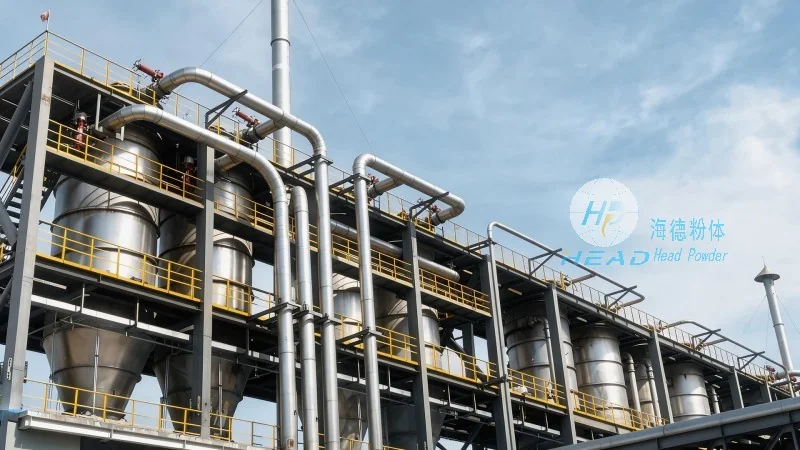
The operation of pneumatic conveying equipment for seasoning powders follows a systematic sequence to ensure smooth and continuous material transport. First, the seasoning powder is loaded into the storage hopper, which is equipped with a feeding mechanism to control the flow rate. The hopper is connected to the conveying line via a feeder, which may be a rotary valve or a screw feeder, ensuring a consistent supply of material. Next, the vacuum or pressure system is activated, creating the necessary airflow to draw the powder into the pipeline. The powder travels through the pipeline at a controlled velocity, maintaining the optimal air-to-powder ratio to prevent blockages or degradation. At the receiving end, the powder is separated from the air using a cyclone separator, which uses centrifugal force to separate the heavier powder particles from the lighter air. The separated powder is then collected in a storage bin or directly into packaging containers. The air, now free of powder, is either filtered and recirculated or discharged to the atmosphere, depending on the system design. This entire process is automated and monitored for efficiency and safety, with controls that adjust the airflow and feeding rate based on real-time conditions.
Key Components and Their Functions
Several critical components work together to ensure the effective operation of pneumatic conveying equipment for seasoning powders. The hopper serves as the storage and feeding unit, providing a large capacity to hold the powder and controlling the discharge rate. The feeder, such as a rotary valve or a screw feeder, regulates the flow of powder into the conveying line, preventing overfeeding or underfeeding that could lead to system inefficiencies. The vacuum or pressure pump generates the necessary airflow, with the choice between vacuum and pressure systems depending on the distance and height of the conveying line. The pipeline is designed with smooth, corrosion-resistant materials to minimize friction and prevent powder buildup. The cyclone separator or filter at the receiving end is crucial for separating the powder from the air, ensuring that the powder is collected in a clean state. Additionally, the control system monitors parameters like pressure, airflow, and powder level, allowing for adjustments to maintain optimal performance. These components are carefully selected and integrated to ensure the system operates reliably and efficiently, meeting the demands of industrial seasoning powder handling.
Advantages of Pneumatic Conveying for Seasoning Powders
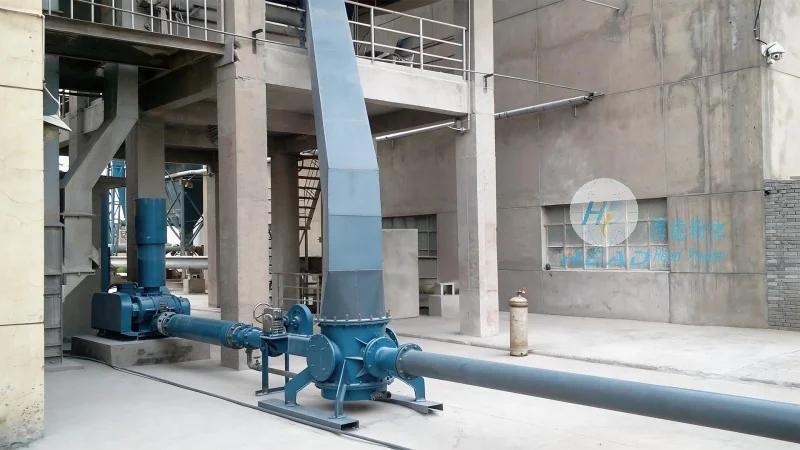
Pneumatic conveying equipment offers several advantages over traditional mechanical conveying methods, making it the preferred choice for seasoning powder handling. First, it provides a dust-free and hygienic environment, which is critical in food processing applications where contamination must be minimized. The enclosed system prevents powder from being released into the air, reducing the risk of inhalation by workers and contamination of other products. Second, it offers high efficiency and speed, allowing for continuous and rapid transport of large quantities of powder. The system can handle high volumes with minimal downtime, improving overall production throughput. Third, it provides gentle handling of the powder, preventing caking, agglomeration, or degradation that can occur with mechanical conveying methods. The air-powder mixture ensures that the powder particles are not subjected to excessive pressure or friction, preserving their quality and flavor. Fourth, the system is flexible and can be adapted to various conveying distances and heights, making it suitable for complex layouts in industrial facilities. Additionally, the equipment is easy to clean and maintain, with components that can be disassembled and sanitized to meet regulatory standards. These advantages make pneumatic conveying an ideal solution for the efficient and reliable handling of seasoning powders in food processing industries.
Application Scenarios and Industrial Use
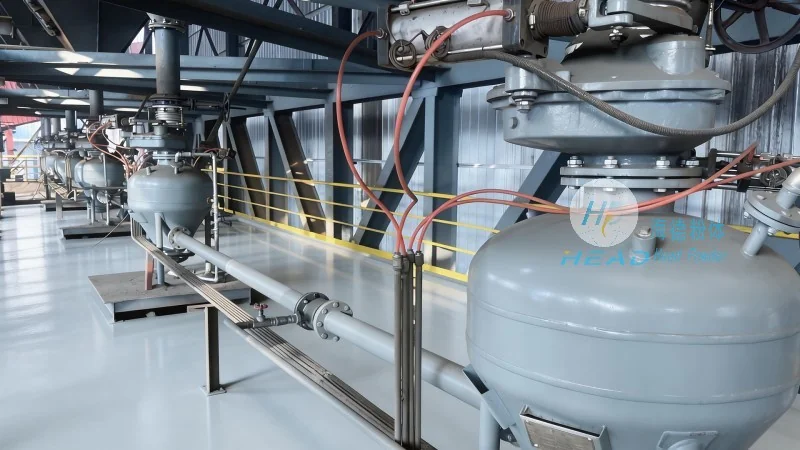
HeadPowder's pneumatic conveying equipment for seasoning powders is widely used in various industrial applications within the food processing sector. These systems are commonly employed in spice and seasoning manufacturing plants, where they transport raw powders from storage silos to processing lines, such as grinding, mixing, or packaging. The equipment is also used in food processing facilities that handle pre-mixed seasonings, transporting them from production areas to storage or packaging areas. In addition, the systems are utilized in the pharmaceutical and chemical industries for handling fine powders, where similar conveying principles apply. The versatility of the equipment allows it to be integrated into existing production lines or used as a standalone system, depending on the specific needs of the facility. The equipment's ability to handle different powder types and sizes makes it suitable for a wide range of applications, from small-scale seasoning production to large-scale industrial operations. By providing a reliable and efficient method of material transport, HeadPowder's pneumatic conveying systems contribute to improved productivity and product quality in various industrial settings.
Conclusion and Company Overview
HeadPowder, based in Shandong, China, is a trusted provider of advanced pneumatic conveying equipment designed specifically for the handling of seasoning powder materials. The company's systems are engineered based on the principles of efficient air-powder transport, ensuring high performance, reliability, and compliance with industry standards. Through the detailed operation process and working principle explained above, it is clear that pneumatic conveying offers significant advantages over traditional methods, making it an essential component in modern food processing and industrial applications. HeadPowder's commitment to quality and innovation ensures that their equipment meets the evolving needs of the industry, providing durable and efficient solutions for seasoning powder handling. With a strong presence in the market and a focus on customer satisfaction, HeadPowder continues to be a leader in the supply of pneumatic conveying systems for various industrial applications.




