Organic salt material handling equipment is essential for efficient and safe transportation of organic salt materials across various industrial sectors. Understanding the design principles behind these systems is crucial for optimizing operational performance and maintaining product integrity. This article explores the key aspects of organic salt material handling equipment, focusing on the underlying design concepts that enable effective material transport.
Introduction to Organic Salt Material Handling Equipment
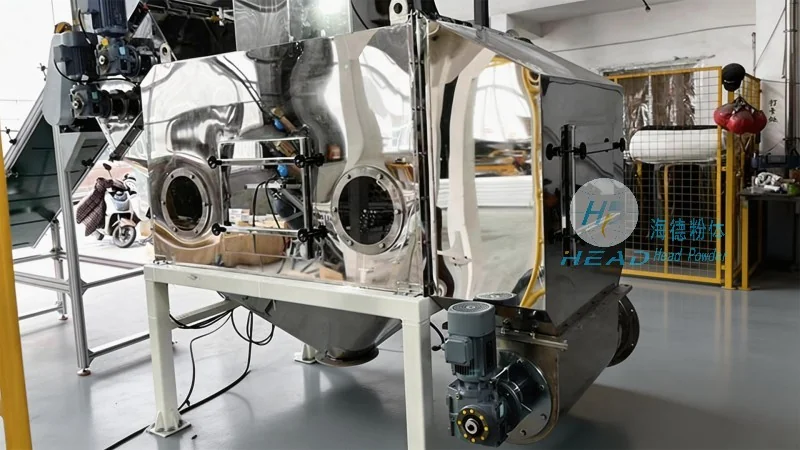
Organic salt material handling equipment refers to machinery and systems engineered to convey, store, and manage organic salt materials, such as sodium bicarbonate, potassium chloride, or other similar compounds. These materials are widely used in chemical, food, and pharmaceutical industries, where precise handling is critical to prevent contamination or degradation. The equipment must accommodate the unique properties of organic salts, including their granular or powdery nature, potential moisture content, and varying bulk densities. Effective material handling solutions are vital for sustaining production efficiency and ensuring compliance with industry standards.
Key Design Components and Considerations
The design of organic salt material handling equipment involves several critical components and considerations to ensure optimal performance. A primary component is the conveyor system, which may include screw conveyors, belt conveyors, or pneumatic systems, depending on the material characteristics and application requirements. Screw conveyors, for instance, are widely utilized for organic salt transport due to their ability to handle dry, free-flowing materials without external power sources. The screw design—specifically pitch and diameter—is carefully selected to match the material's flow characteristics and prevent blockages or segregation.
Another essential component is the feeding and discharge mechanisms. These systems are designed to control the flow rate and direction of the organic salt, minimizing spillage and ensuring uniform distribution. For example, rotary valves or gate valves are commonly used to regulate discharge from storage silos or hoppers. The design of these mechanisms must account for the material's abrasiveness and potential for caking, as improper design can lead to equipment wear and reduced efficiency.
Addressing Material Handling Challenges
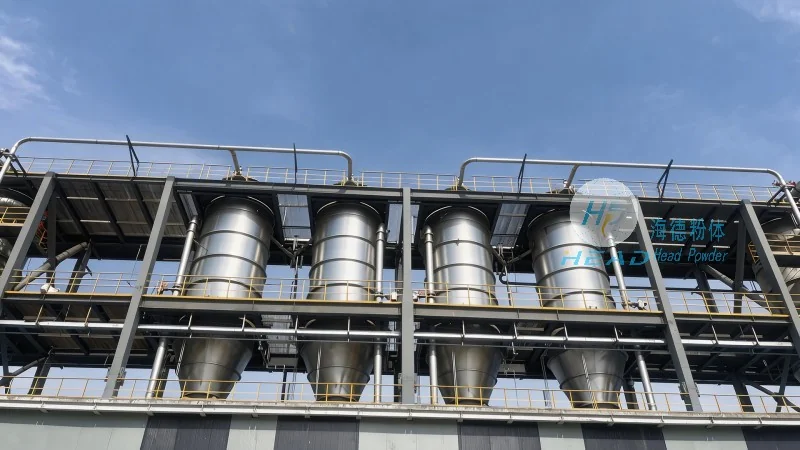
Handling organic salt materials presents several challenges that require thoughtful design solutions. One major challenge is material segregation, where different particle sizes or densities separate during transport, leading to uneven distribution and reduced product quality. To mitigate this, equipment designers incorporate features like inclined conveyor sections or vibration mechanisms to promote mixing and prevent segregation. Additionally, the equipment must be constructed from corrosion-resistant materials, as organic salts can be aggressive to certain metals.
Another challenge is dust generation and inhalation hazards. Organic salt powders can create airborne dust, posing health risks to workers and affecting equipment performance. Design solutions include dust collection systems, sealed conveyor housings, and appropriate ventilation to control dust levels. The equipment may also feature explosion-proof elements if the organic salt is flammable or reactive, ensuring safety in industrial environments.
HeadPowder's Expertise in Organic Salt Handling
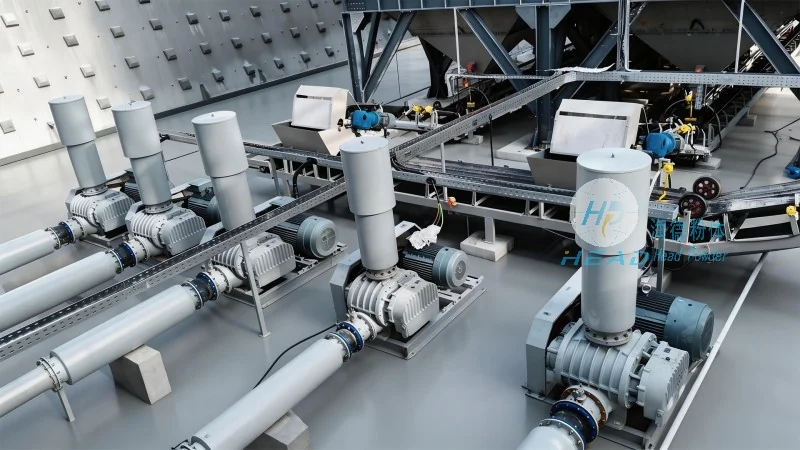
Shandong HeadPowder Engineering Co., Ltd., commonly known as HeadPowder, is a leading manufacturer of organic salt material handling equipment. Headquartered in Shandong, China, the company specializes in designing and manufacturing customized solutions tailored to the specific needs of clients in the chemical, food, and pharmaceutical sectors. HeadPowder's expertise lies in understanding the unique properties of organic salts and translating them into effective material handling systems.
HeadPowder's product line includes screw conveyors, vibratory feeders, and storage silos, among other equipment. Each piece is engineered with precision, considering factors like material flow rate, bulk density, and environmental conditions. The company's engineering team collaborates closely with clients to assess requirements and develop solutions that optimize production processes and reduce operational costs. By leveraging advanced design principles and high-quality materials, HeadPowder ensures its organic salt material handling equipment delivers reliable performance and long-term value.
Conclusion: Design Principles for Optimal Organic Salt Handling
In summary, organic salt material handling equipment is a critical component in industrial operations, and its design must address the unique challenges posed by organic salt materials. Key design principles include selecting appropriate conveyor types, implementing effective feeding/discharge mechanisms, and mitigating issues like segregation, dust generation, and equipment wear. Companies like Shandong HeadPowder Engineering Co., Ltd. play a vital role in providing customized and reliable equipment that meets modern industrial demands. By adhering to these design principles, organizations can enhance operational efficiency, maintain product quality, and ensure a safe working environment for their personnel.




