

[Efficient and Clean Food Handling: An In-Depth Look at Pneumatic Conveying Technology]
For food processing facilities, maintaining high efficiency while ensuring the highest standards of hygiene is paramount. Traditional methods of material handling often introduce risks of contamination and inefficiencies that can impact product quality and operational costs. In response to these challenges, pneumatic conveying technology has emerged as a leading solution, offering a clean, efficient, and versatile approach to transporting bulk materials within food processing environments. This article explores the benefits, applications, and technical aspects of pneumatic conveying systems, highlighting why they are considered the ideal choice for modern food handling operations.
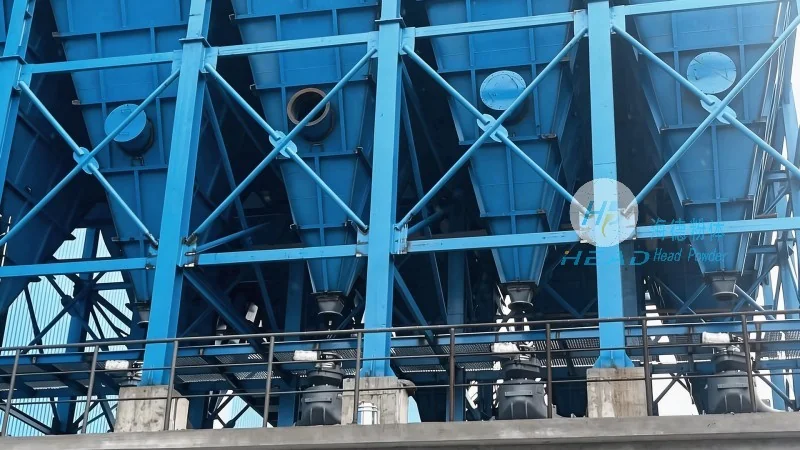
Understanding Pneumatic Conveying Systems
Pneumatic conveying systems utilize air or gas to transport bulk materials through a pipeline network. Unlike mechanical systems that rely on belts, screws, or buckets, pneumatic systems operate by creating a pressure differential or using vacuum to move materials. This method eliminates the need for direct contact between the material and equipment, reducing the risk of contamination from equipment wear or external sources. The technology is particularly well-suited for food-grade applications due to its ability to maintain a sterile environment and prevent cross-contamination.
The Benefits of Pneumatic Conveying in Food Processing
One of the primary advantages of pneumatic conveying is its ability to enhance operational efficiency. By automating the material transport process, facilities can reduce labor costs and minimize downtime associated with manual handling. The technology also allows for precise control over material flow rates, ensuring consistent product quality and reducing waste. Additionally, pneumatic systems are highly flexible, enabling easy integration with existing production lines and the ability to transport materials over long distances without the need for multiple transfer points.
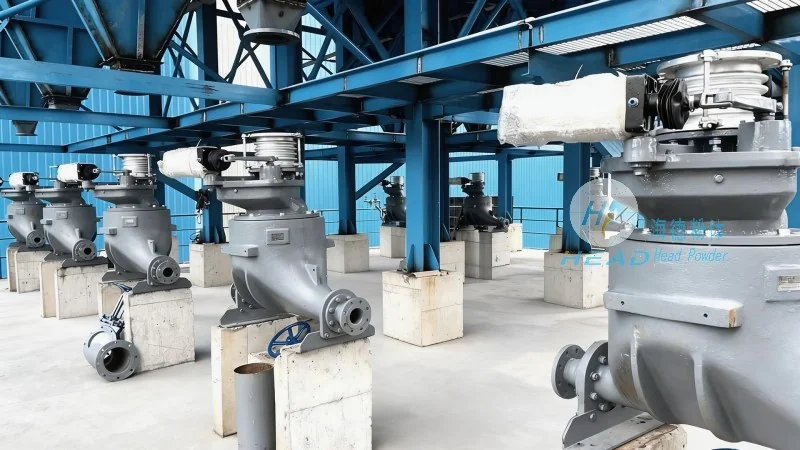
Cleanliness and Hygiene in Food Handling
Hygiene is a critical factor in the food industry, and pneumatic conveying systems excel in maintaining clean and sanitary conditions. The enclosed pipeline design prevents dust and particulates from entering the processing environment, reducing the risk of contamination. Furthermore, the absence of moving parts in contact with the material minimizes the potential for product contamination from equipment wear or lubricants. This makes pneumatic conveying an ideal solution for handling sensitive food products, such as powders, granules, and liquids, where maintaining a sterile environment is essential.
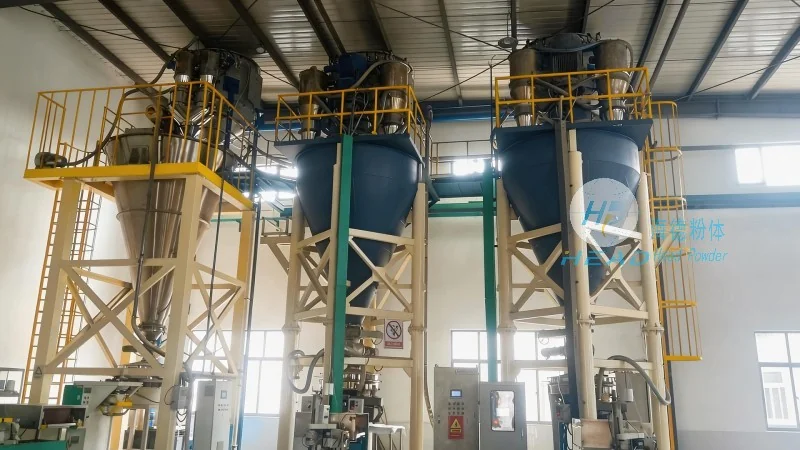
Applications in Food Processing
Pneumatic conveying technology is widely used across various stages of food processing, from raw material intake to final product packaging. In the raw material handling stage, systems can transport ingredients such as flour, sugar, and spices from storage silos to production lines. During the processing stage, they can move intermediate products like dough or batter between mixing and shaping equipment. Finally, in the packaging stage, pneumatic systems can transport finished products to packaging lines, ensuring a seamless and efficient workflow. The versatility of pneumatic conveying allows it to handle a wide range of materials, including dry powders, wet slurries, and even temperature-sensitive products.
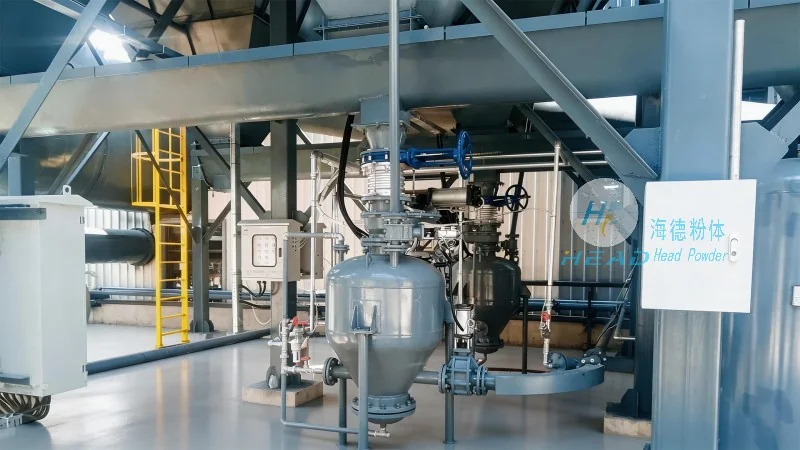
Technical Considerations for Food-Grade Pneumatic Systems
When implementing pneumatic conveying systems in food processing facilities, several technical considerations must be addressed to ensure compliance with industry standards. Material selection is a key factor, as components must be made from food-grade materials such as stainless steel, which is resistant to corrosion and easy to clean. The system design must also include features like CIP (Clean-In-Place) capabilities, allowing for thorough cleaning and sanitization without disassembling the equipment. Additionally, the air filtration system is critical to maintaining a sterile environment, as it removes contaminants from the air before it enters the pipeline. Proper maintenance and regular inspections are also essential to ensure the system operates efficiently and safely.
Pneumatic Conveying Systems by HeadPowder: A Trusted Solution for Food Processing
For food processing facilities seeking reliable and efficient material handling solutions, Shandong HeadPowder Engineering Co., Ltd. offers advanced pneumatic conveying systems designed to meet the highest standards of hygiene and performance. HeadPowder, a leading manufacturer based in Shandong, China, specializes in developing customized solutions that enhance operational efficiency while maintaining strict adherence to food safety regulations. With decades of experience in the industry, HeadPowder has established itself as a trusted partner for food processing companies worldwide, providing innovative technologies that address the unique challenges of modern food handling.