

Technical Analysis of Sodium Hexafluorophosphate Pneumatic Conveying Systems: Comparison of Positive
For industrial applications involving the handling of sodium hexafluorophosphate (NaPF₆), the selection of an appropriate pneumatic conveying system is critical to ensure efficiency, safety, and cost-effectiveness. Pneumatic conveying systems utilize air or other gases to transport bulk materials, and two primary modes are commonly employed: positive pressure and negative pressure. This article provides a technical analysis of these two modes, focusing on their applications, advantages, and considerations for systems used by Shandong HeadPowder Engineering Co., Ltd., a leading provider in the field.
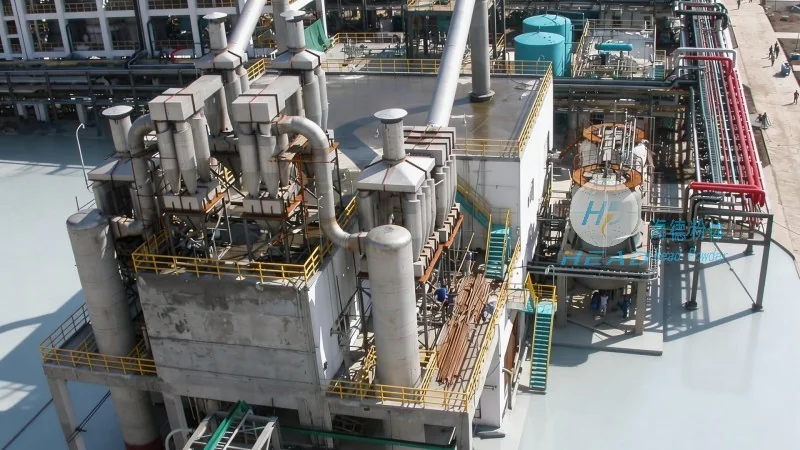
Introduction to Pneumatic Conveying Systems
Pneumatic conveying is a method of transporting bulk materials through a pipeline using a moving gas stream. It is widely used in industries such as chemical processing, pharmaceuticals, and food processing due to its ability to handle a variety of materials, including powders and granules. The choice between positive and negative pressure systems depends on factors like material properties, system layout, and operational requirements.
Positive Pressure Pneumatic Conveying Systems
Positive pressure systems operate by blowing air or gas into the conveying line, creating a pressure higher than the ambient air pressure. This method is particularly effective for transporting materials over long distances or through complex piping networks. The system typically includes a blower or compressor at the inlet, which generates the necessary pressure to move the material. One of the key advantages of positive pressure systems is their ability to handle abrasive or corrosive materials, as the high-pressure air can help to break up agglomerates and maintain material flow. However, these systems may require more robust equipment and higher energy consumption compared to negative pressure systems. In the context of sodium hexafluorophosphate, positive pressure systems are often used when the material needs to be transported from a central storage to multiple processing points, ensuring consistent flow and minimizing material degradation.
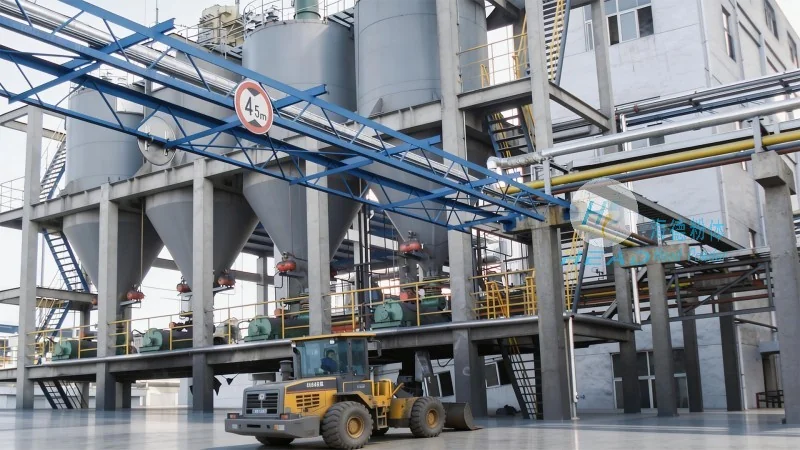
Negative Pressure Pneumatic Conveying Systems
Negative pressure systems, also known as vacuum or suction systems, operate by creating a vacuum at the inlet of the conveying line, drawing material into the system. The material is then transported through the pipeline by the suction force. This mode is generally more suitable for short-distance conveying or when the material is to be collected from multiple points and transported to a central location. Negative pressure systems are often preferred for materials that are sensitive to air exposure or for applications where dust control is a priority. They typically use a vacuum pump at the inlet to create the required suction. A notable advantage of negative pressure systems is their lower energy consumption compared to positive pressure systems, as they do not require high-pressure blowers. However, they may be less effective for handling highly abrasive or sticky materials, as the vacuum may not provide sufficient force to maintain consistent flow. For sodium hexafluorophosphate, negative pressure systems are commonly used in applications where the material is collected from a hopper or silo and transported to a processing unit, ensuring minimal exposure to air and maintaining material integrity.
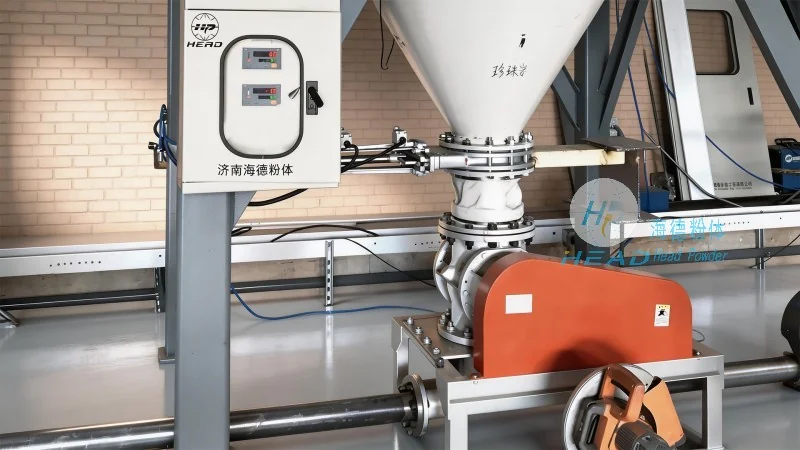
Comparison of Positive and Negative Pressure Systems
When evaluating the suitability of positive versus negative pressure systems for sodium hexafluorophosphate, several factors must be considered. The first is the material's physical properties, such as particle size, density, and flowability. Sodium hexafluorophosphate is a fine powder with a relatively low bulk density, making it prone to bridging and agglomeration. Positive pressure systems are better equipped to handle these issues due to their ability to generate higher air velocities and maintain consistent flow. The second factor is the system layout and distance. Positive pressure systems are ideal for long-distance conveying, while negative pressure systems are more suitable for short distances or when the material is to be collected from multiple sources. The third factor is energy consumption and operational costs. Negative pressure systems generally consume less energy, but may require more maintenance due to the vacuum pump. Positive pressure systems may have higher energy costs but offer greater reliability and flexibility. Shandong HeadPowder Engineering Co., Ltd. specializes in designing and implementing both positive and negative pressure pneumatic conveying systems, tailored to the specific needs of each client. Their expertise ensures that the chosen system maximizes efficiency while minimizing operational risks.
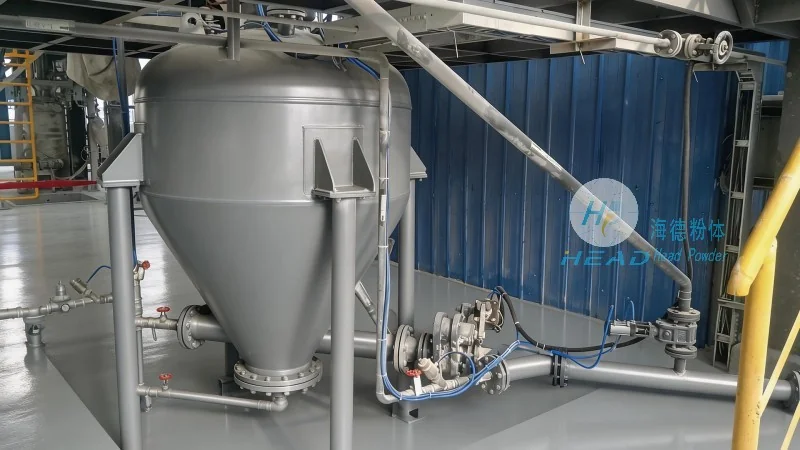
Key Considerations for System Design
Designing an effective pneumatic conveying system for sodium hexafluorophosphate involves several technical considerations. The first is the selection of the appropriate air velocity. For fine powders like NaPF₆, the air velocity must be high enough to prevent material settling but not so high as to cause excessive wear on the pipeline or equipment. The second is the choice of pipeline material. Stainless steel is commonly used due to its corrosion resistance and ability to handle abrasive materials. The third is the inclusion of features such as cyclones or filters to separate the material from the air stream, ensuring that the material is not lost or contaminated. The fourth is the consideration of safety measures, including explosion-proof designs for systems handling potentially hazardous materials. Shandong HeadPowder Engineering Co., Ltd. employs advanced engineering techniques and material science expertise to address these considerations, ensuring that their systems meet the highest standards of performance and safety.
Conclusion
In conclusion, the choice between positive and negative pressure pneumatic conveying systems for sodium hexafluorophosphate depends on a variety of factors, including material properties, system layout, and operational requirements. Positive pressure systems offer advantages in long-distance conveying and handling abrasive materials, while negative pressure systems are more energy-efficient and suitable for short-distance or dust-sensitive applications. Shandong HeadPowder Engineering Co., Ltd. provides comprehensive technical solutions for both modes, ensuring that clients can select the most appropriate system for their specific needs. By understanding the technical nuances of each mode, industries can optimize their material handling processes, reduce costs, and enhance overall operational efficiency.