

Types, Characteristics, and Applications of Coal Particle Pneumatic Conveying
Coal particle pneumatic conveying is a vital technology in the handling and transportation of bulk materials, especially in industrial settings where the efficient and reliable movement of coal is essential. This article provides an overview of the different types of coal particle pneumatic conveying systems, their key characteristics, and the various applications where they are utilized.
Introduction to Coal Particle Pneumatic Conveying
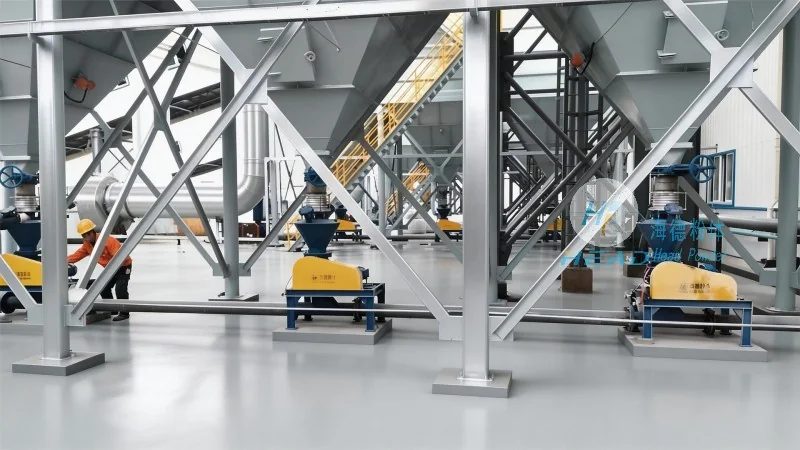
Coal particle pneumatic conveying systems utilize air or other gases to transport solid particles, such as coal, from one location to another. This method offers several advantages over traditional mechanical conveying systems, including reduced equipment wear, lower maintenance requirements, and the ability to handle materials in hazardous environments. The technology is widely adopted in coal processing plants, power generation facilities, and other industrial operations where the safe and efficient movement of coal is paramount.
Types of Coal Particle Pneumatic Conveying
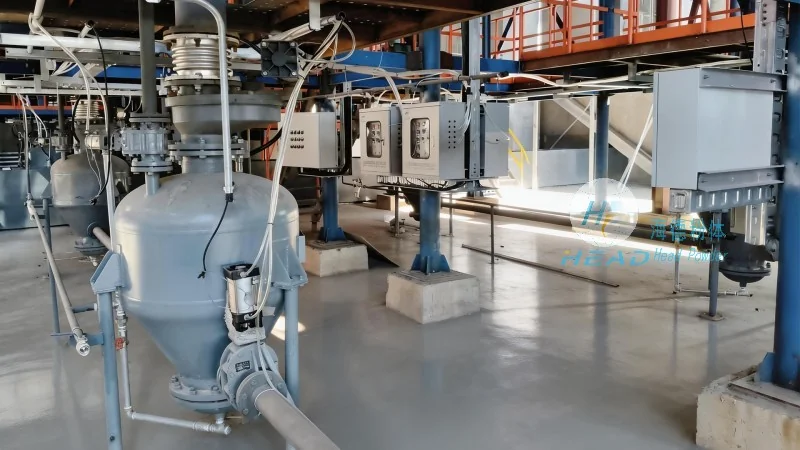
There are primarily two types of coal particle pneumatic conveying systems: dilute-phase and dense-phase. Dilute-phase systems operate at relatively low pressure and high velocity, where the coal particles are suspended in the air stream. This type is suitable for short to medium distances and low to medium particle sizes. Dense-phase systems, on the other hand, operate at higher pressure and lower velocity, where the coal particles are more densely packed in the conveying line. This method is ideal for longer distances and larger particle sizes, as it minimizes particle degradation and ensures a more stable flow.
Key Characteristics of Coal Particle Pneumatic Conveying Systems
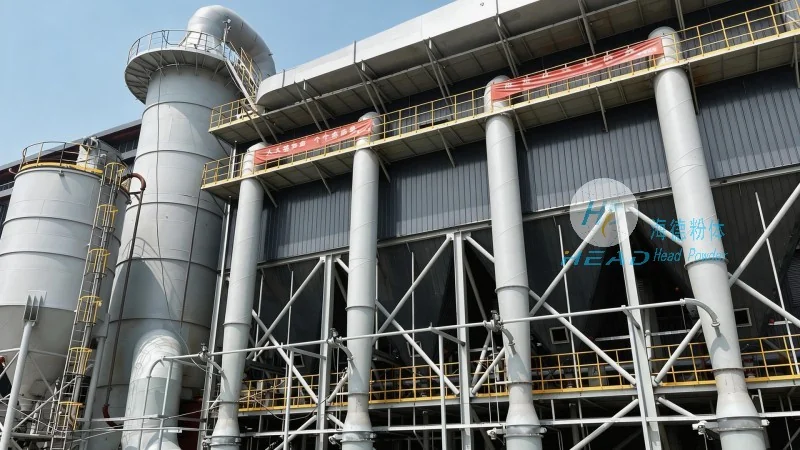
Several key characteristics define the performance and suitability of coal particle pneumatic conveying systems. Firstly, the system's efficiency is determined by its ability to maintain a consistent air flow and particle suspension. This is influenced by factors such as the particle size distribution, moisture content, and specific gravity of the coal. Secondly, the system's pressure requirements vary based on the conveying distance and the type of system used. Dilute-phase systems typically require lower pressure, while dense-phase systems demand higher pressure to achieve the desired conveying performance. Thirdly, the equipment used in these systems, including pumps, filters, and control valves, must be robust and capable of handling the abrasive nature of coal particles to ensure long-term operational reliability.
Applications of Coal Particle Pneumatic Conveying
Coal particle pneumatic conveying systems find extensive applications across various industries. In the coal mining and processing sector, these systems are used for transporting raw coal from mines to processing plants, as well as for moving processed coal to storage facilities or power generation units. In power generation, they are crucial for delivering coal to boilers, where it is burned to produce electricity. Additionally, these systems are employed in coal blending operations, where different coal types are mixed to achieve the desired calorific value. The technology is also utilized in industrial plants that require the transport of coal for fueling purposes, such as in cement and steel production facilities.
Conclusion
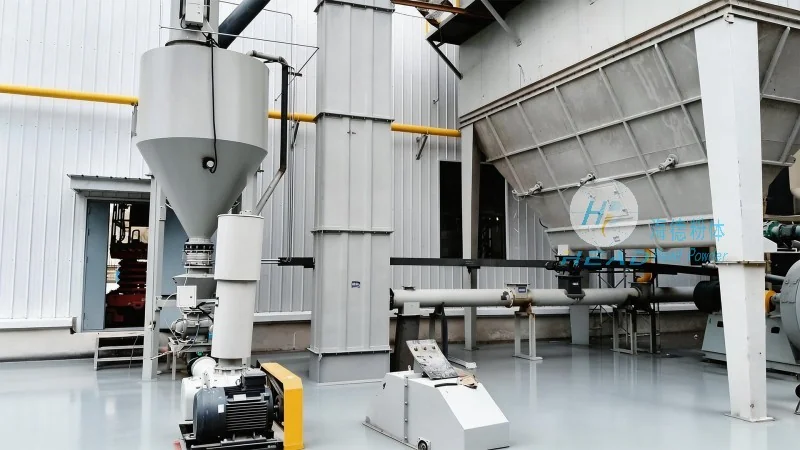
Coal particle pneumatic conveying systems offer a versatile and efficient solution for the transportation of coal in industrial applications. By understanding the different types, key characteristics, and applications of these systems, industries can select the most appropriate technology to meet their specific operational needs. The technology's ability to handle various coal types, distances, and particle sizes makes it a preferred choice for many coal handling operations, contributing to improved operational efficiency and reduced costs.