For industries dealing with dry sand and powder materials, efficient and reliable material handling is crucial. A dry sand powder conveying system is a specialized solution designed to transport these materials safely and effectively. This article explores the fundamental aspects of such systems, including their design principles and the technology behind them.
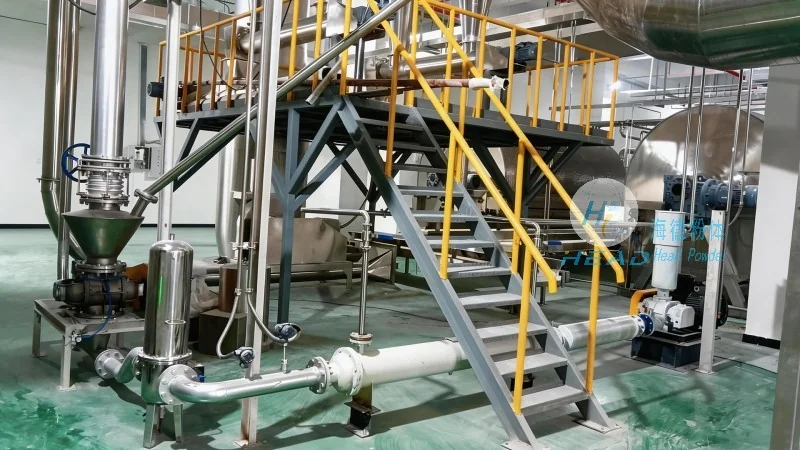
About the Company: HeadPowder
HeadPowder, or Shandong HeadPowder Engineering Co., Ltd., is a leading provider of advanced material handling solutions. Based in Shandong, China, the company specializes in the design, manufacturing, and installation of conveying systems tailored for various industrial applications. With a strong commitment to quality and innovation, HeadPowder delivers systems that meet the highest standards of performance and durability.
Understanding Dry Sand Powder Conveying Systems
A dry sand powder conveying system is engineered to transport dry, granular materials like sand, powders, and other fine particles without the use of water or other liquids. These systems are essential in industries such as construction, mining, chemical processing, and food production, where the handling of bulk materials is a daily operation. The primary goal of these systems is to move materials from one location to another with minimal loss, contamination, and energy consumption.
Key Design Principles of Dry Sand Powder Conveying Systems
The design of a dry sand powder conveying system is based on several critical principles to ensure optimal performance. First, the system must be able to handle the specific characteristics of the material being conveyed, including particle size, density, and flowability. This involves selecting appropriate components like hoppers, feeders, and conveyor belts or pipes that can accommodate the material's properties.
Second, the system must maintain the integrity of the material. This means preventing segregation, agglomeration, or contamination during transport. Design elements such as smooth surfaces, appropriate incline angles, and controlled air flow are crucial to achieve this. For example, some systems use pneumatic conveying methods, where air is used to move the material through a pipeline, reducing the risk of material degradation.
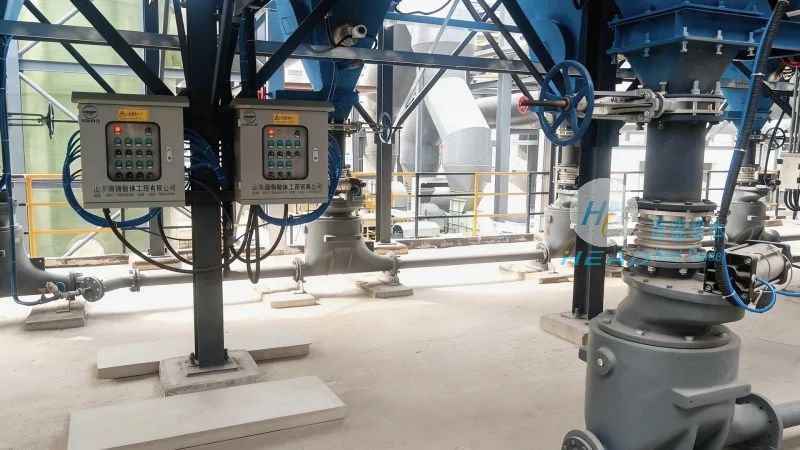
Third, energy efficiency is a key design consideration. Modern dry sand powder conveying systems are designed to minimize energy consumption while maximizing throughput. This is achieved through the use of efficient motors, variable speed drives, and optimized system layouts. Additionally, the system must be easy to maintain and operate, with accessible components and clear operational controls.
Components and Technology in Dry Sand Powder Conveying Systems
At the core of a dry sand powder conveying system are several key components that work together to ensure smooth operation. The system typically includes a hopper for material storage, a feeder to control the flow rate, a conveyor mechanism (such as a screw conveyor, belt conveyor, or pneumatic pipeline), and a control system to manage the entire process.
Screw conveyors are commonly used for horizontal or slightly inclined transport, as they can handle a wide range of materials and are relatively simple to install. Belt conveyors are ideal for longer distances and larger volumes, providing consistent and reliable transport. Pneumatic conveying systems, on the other hand, use compressed air to move the material through a sealed pipeline, making them suitable for materials that are sensitive to moisture or contamination.
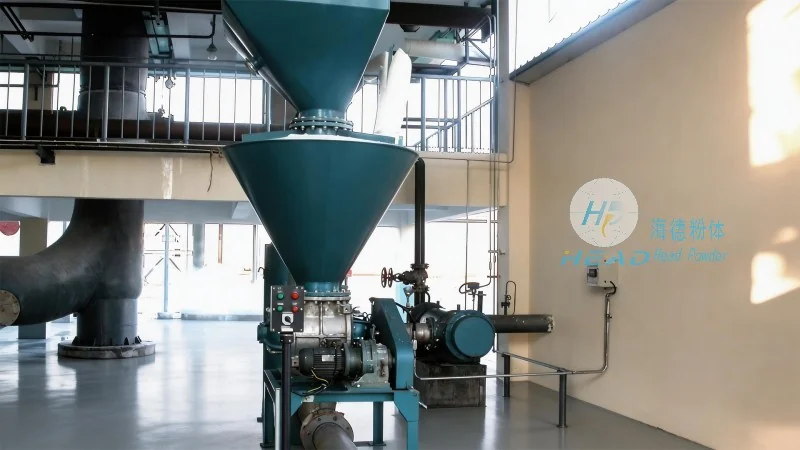
The control system plays a vital role in managing the operation of the conveying system. It monitors parameters such as flow rate, pressure, and temperature, and adjusts the system as needed to maintain optimal performance. Modern control systems often incorporate automation and digital monitoring, allowing for real-time data collection and remote management.
Applications and Benefits of Dry Sand Powder Conveying Systems
Dry sand powder conveying systems are widely used in various industries due to their versatility and efficiency. In the construction industry, they are used to transport sand and cement for concrete production. In mining operations, they help move ore and other minerals from processing plants to storage facilities. In chemical processing, they are used to transport powders and granules for manufacturing and packaging.
The benefits of using a dry sand powder conveying system include improved safety, reduced labor costs, and enhanced material quality. By eliminating the need for manual handling, these systems reduce the risk of accidents and exposure to hazardous materials. They also ensure consistent material quality by preventing segregation and contamination. Additionally, the automated nature of these systems increases productivity and reduces downtime.
Conclusion
In summary, a dry sand powder conveying system is a sophisticated and essential tool for industries dealing with bulk dry materials. Its design is based on principles that prioritize material integrity, energy efficiency, and operational reliability. Companies like Shandong HeadPowder Engineering Co., Ltd. play a crucial role in providing these systems, helping businesses achieve their material handling goals while maintaining high standards of performance and safety.




