Carbon powder conveying systems are specialized industrial equipment designed to transport carbon-based powders efficiently and safely. These systems are crucial in various industries, including battery manufacturing, carbon black processing, and material science, where handling fine powders requires precision and control. Understanding the components and design principles of such systems is essential for optimizing production processes and ensuring operational safety.
Introduction to Carbon Powder Conveying Systems
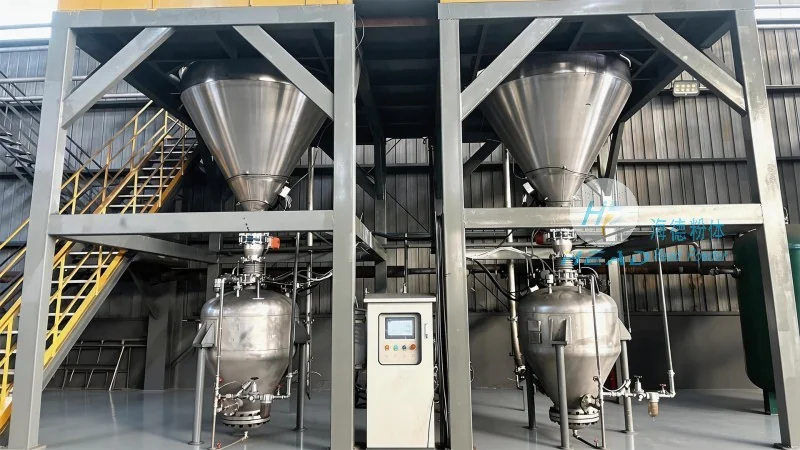
Carbon powder conveying systems are engineered to handle carbon-based powders, which are often fine, abrasive, and potentially hazardous. The primary goal of these systems is to move the powder from a source, such as a storage silo or hopper, to a processing unit or destination without compromising the powder's quality or causing environmental contamination. The design of these systems must address challenges like dust generation, material segregation, and the need for gentle handling to prevent particle degradation.
Key Components of a Carbon Powder Conveying System
The core components of a carbon powder conveying system typically include a hopper or storage vessel for powder storage, a feeding mechanism (like a rotary valve or screw feeder) to control the flow rate, a conveying device (such as a pneumatic or mechanical conveyor), and a control system to regulate the entire process. Each component plays a critical role in ensuring the system operates smoothly and reliably.
Design Principles for Efficient Carbon Powder Conveying
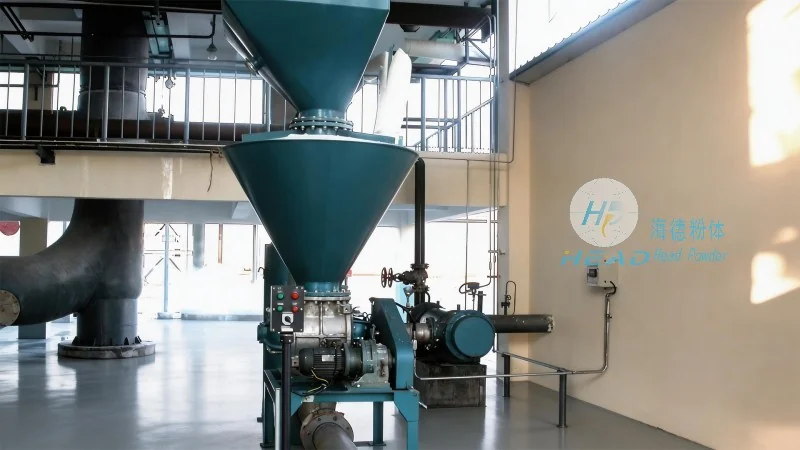
Designing an effective carbon powder conveying system involves several key principles aimed at maximizing efficiency, minimizing waste, and ensuring safety. One of the most important principles is the use of appropriate materials for all components to resist corrosion and abrasion from the carbon powder. For instance, stainless steel or specialized alloys are often used for hoppers and conveyors to prevent material degradation and contamination.
Another critical design principle is the implementation of dust control measures. Carbon powders can generate significant dust, which poses health risks and environmental concerns. Systems often incorporate dust collection and filtration systems to capture and neutralize airborne particles. Additionally, the design may include sealed or enclosed conveying paths to minimize exposure to personnel and the environment.
Feeding and Metering Mechanisms
The feeding mechanism is a critical component that controls the flow rate of the carbon powder into the conveying system. Rotary valves, also known as star valves, are commonly used for this purpose. They provide a controlled, metered flow by rotating and allowing powder to pass through an opening. This ensures consistent feed rates, which is essential for maintaining stable production processes. The design of the valve must consider the powder's characteristics, such as its density and flowability, to prevent clogging or uneven flow.
Conveying Methods: Pneumatic vs. Mechanical
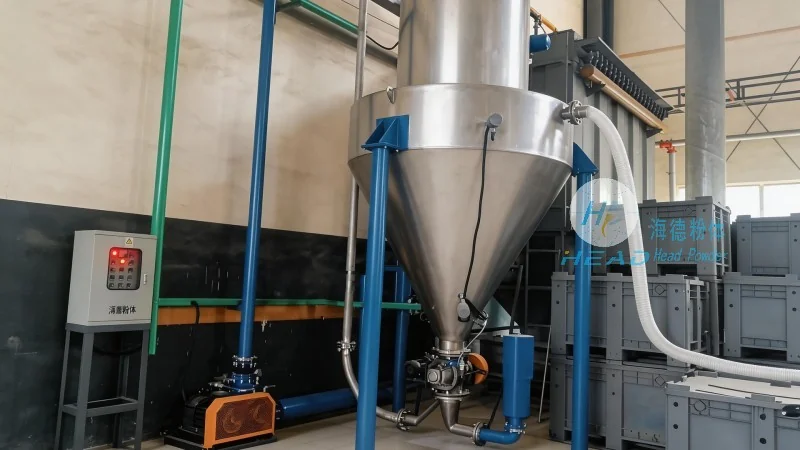
Carbon powder conveying systems can utilize either pneumatic or mechanical methods to transport the powder. Pneumatic conveying uses compressed air to move the powder through a pipeline, while mechanical conveyors rely on devices like screw conveyors or belt conveyors. The choice between these methods depends on factors such as the powder's properties, the distance to be conveyed, and the required flow rate.
Pneumatic conveying is often preferred for long-distance or high-volume transport, as it can handle a wide range of powder types and offers flexibility in system layout. However, it may require higher energy consumption and careful management of air pressure to prevent particle degradation. Mechanical conveyors, on the other hand, are more suitable for short-distance or bulk material handling and are generally more energy-efficient. They are also easier to maintain and inspect.
Control and Monitoring Systems
Modern carbon powder conveying systems are equipped with advanced control and monitoring systems to ensure optimal performance. These systems may include sensors to measure flow rates, pressure, and temperature, as well as control panels to adjust settings in real-time. The use of automation technology allows for precise control over the conveying process, reducing the risk of human error and improving overall efficiency.
Applications and Industries
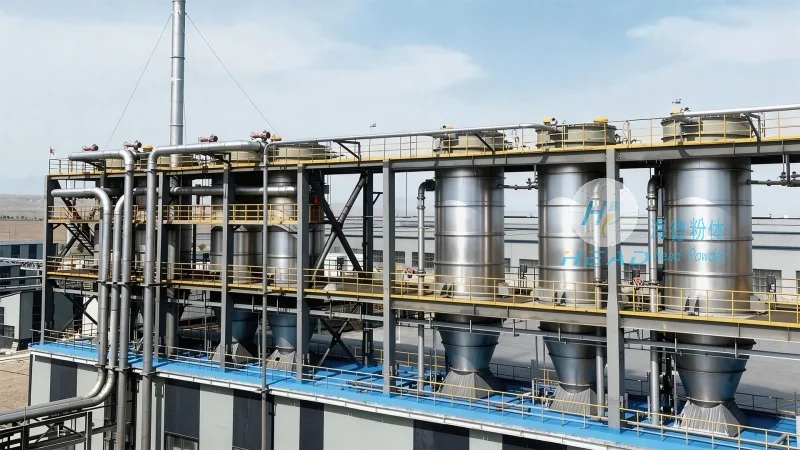
Carbon powder conveying systems are widely used in various industries where carbon-based powders are processed. In the battery industry, for example, these systems are used to transport carbon black or graphite powders to the production line. In material science, they help in handling fine carbon powders for research and development. The versatility of these systems makes them indispensable in any operation that requires the safe and efficient handling of carbon powders.
Conclusion
Carbon powder conveying systems are sophisticated industrial solutions designed to meet the unique challenges of handling carbon-based powders. By understanding the design principles and key components, industries can optimize their production processes, enhance safety, and improve overall efficiency. As technology advances, these systems continue to evolve, incorporating more advanced materials and automation to meet the growing demands of modern manufacturing.




