Understanding the Continuous Quantitative Powder Conveying Line and Its Design Principles
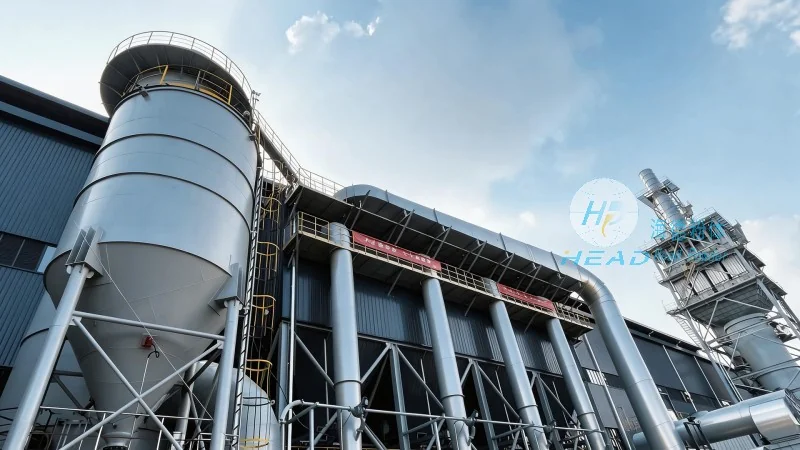
Introduction to Continuous Quantitative Powder Conveying Systems
For industries that rely on the precise handling of bulk powders, the continuous quantitative powder conveying line represents a critical piece of equipment. This system is engineered to transport and measure powders in a continuous, controlled manner, ensuring accuracy and efficiency in processes such as blending, packaging, and material transfer. The technology behind these lines is designed to meet the demands of modern manufacturing, where consistency and reliability are paramount.
About Shandong HeadPowder Engineering Co., Ltd.
HeadPowder, a leading manufacturer based in Shandong, China, specializes in the design, development, and production of advanced powder handling solutions. With a focus on innovation and customer-centric engineering, the company has established itself as a trusted partner for businesses seeking reliable and efficient powder conveying systems. HeadPowder's expertise lies in creating customized solutions that address the unique challenges of each industrial application, ensuring optimal performance and longevity.
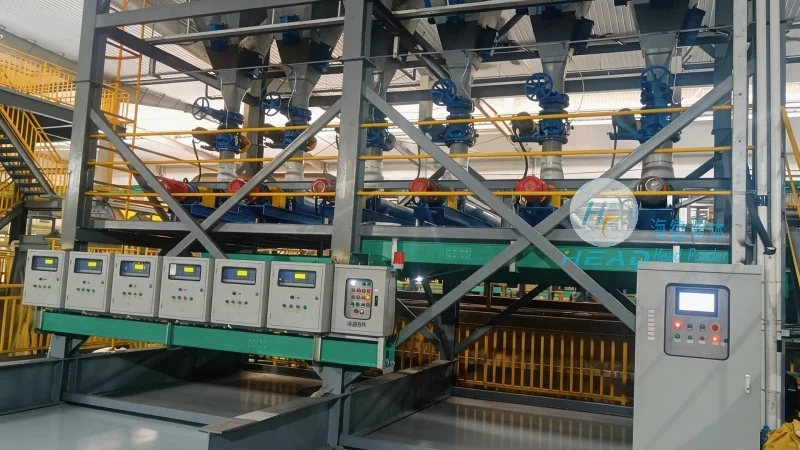
What is a Continuous Quantitative Powder Conveying Line?
A continuous quantitative powder conveying line is a sophisticated system designed to transport bulk powders from one location to another while simultaneously measuring and controlling the quantity being conveyed. Unlike traditional batch or intermittent systems, this line operates continuously, maintaining a steady flow of material. The core components typically include a conveyor mechanism, a dosing or metering device, and a control system that integrates with the overall process. The system is engineered to deliver precise and consistent flow rates, making it ideal for applications such as pharmaceuticals, food processing, and chemical manufacturing where accuracy is non-negotiable.
Key Design Principles of the System
The design of a continuous quantitative powder conveying line is guided by several fundamental principles aimed at optimizing performance and reliability. First, the system must ensure a consistent and uniform flow of powder, minimizing variations that could affect downstream processes. This is achieved through the use of specialized conveyor components, such as screw conveyors, pneumatic systems, or belt conveyors, depending on the material properties and operational requirements. Second, the dosing mechanism is critical for maintaining the desired quantity. Advanced technologies, including variable speed drives, load cells, and flow meters, are employed to regulate the flow rate accurately. Third, the control system plays a pivotal role in integrating the conveying and dosing functions. Modern systems often utilize programmable logic controllers (PLCs) or digital control panels to monitor and adjust parameters in real-time, ensuring the line operates within specified parameters. Fourth, the system is designed for durability and ease of maintenance. High-quality materials, such as stainless steel and corrosion-resistant components, are used to withstand the harsh conditions of powder handling, while modular designs allow for easy replacement of parts and routine servicing.
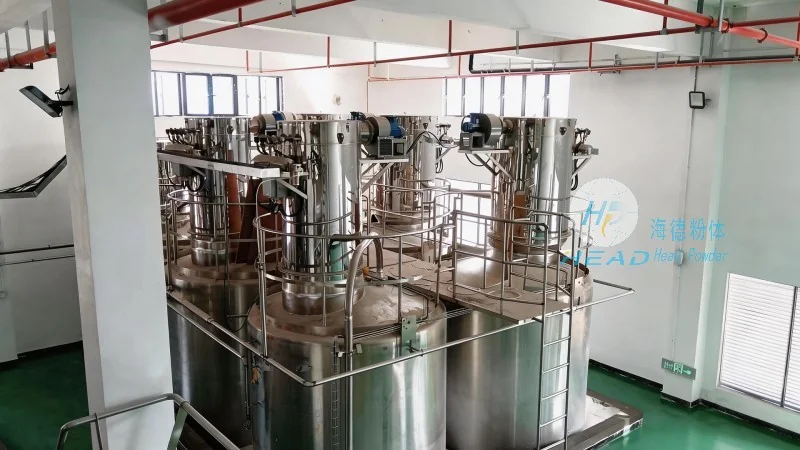
How the System Works: A Step-by-Step Overview
The operation of a continuous quantitative powder conveying line involves several interconnected steps that work in harmony to achieve the desired outcome. The process begins with the powder being fed into the system, typically from a hopper or storage silo. The conveyor mechanism then transports the powder through the line, moving it from the inlet to the outlet. Simultaneously, the dosing device measures the flow rate, ensuring that the correct quantity is being conveyed. The control system continuously monitors the flow rate and adjusts the conveyor speed or dosing parameters as needed to maintain the target rate. This closed-loop control ensures that the system operates with high precision, even when faced with variations in material density or feed rate. The final output is a steady stream of powder that meets the required specifications, ready for further processing or packaging.
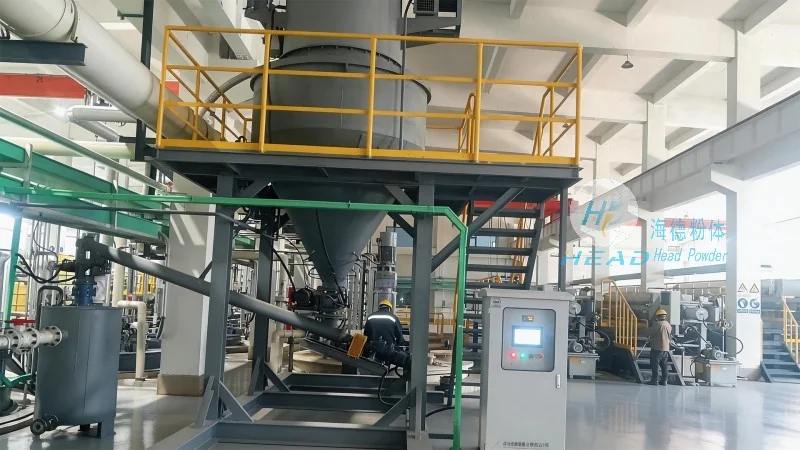
Advantages of Using a Continuous Quantitative Powder Conveying Line
Implementing a continuous quantitative powder conveying line offers numerous benefits for industrial operations. First, it enhances process efficiency by eliminating the need for manual intervention or batch processing. The continuous flow reduces downtime and increases throughput, allowing manufacturers to meet higher production demands. Second, the system provides superior accuracy and consistency. By using advanced metering and control technologies, the line can deliver flow rates with minimal variation, ensuring that the final product meets strict quality standards. Third, the system is highly adaptable to different powder types and applications. Whether handling fine powders, granules, or bulk materials, the design can be customized to suit the specific requirements of the material being conveyed. Fourth, the system promotes safety and hygiene. Enclosed designs and easy-to-clean components help maintain a clean environment, which is particularly important in industries such as food and pharmaceuticals where contamination is a major concern. Finally, the long-term cost-effectiveness of the system is significant. By reducing material waste and improving operational efficiency, the line can lower overall production costs over its lifespan.
Conclusion: The Role of Continuous Quantitative Powder Conveying Lines in Modern Manufacturing
In conclusion, the continuous quantitative powder conveying line is a vital technology for industries that rely on the precise handling of bulk powders. Designed with advanced engineering principles, this system ensures accurate, efficient, and reliable powder transport, meeting the demands of modern manufacturing. Companies like Shandong HeadPowder Engineering Co., Ltd. play a crucial role in developing and providing these systems, offering customized solutions that enhance operational performance and product quality. As industries continue to evolve, the importance of such advanced powder handling technologies will only grow, making the continuous quantitative powder conveying line an indispensable asset for any business focused on precision and efficiency.




