Understanding the technology behind dilute phase powder conveying systems is crucial for industries that rely on efficient material handling. These systems represent a sophisticated approach to transporting bulk powders through pipelines, leveraging principles of fluid dynamics and mechanical engineering to achieve high performance and reliability. In this article, we explore the fundamental aspects of dilute phase powder conveying systems, including their design principles and the key factors that influence their operation.
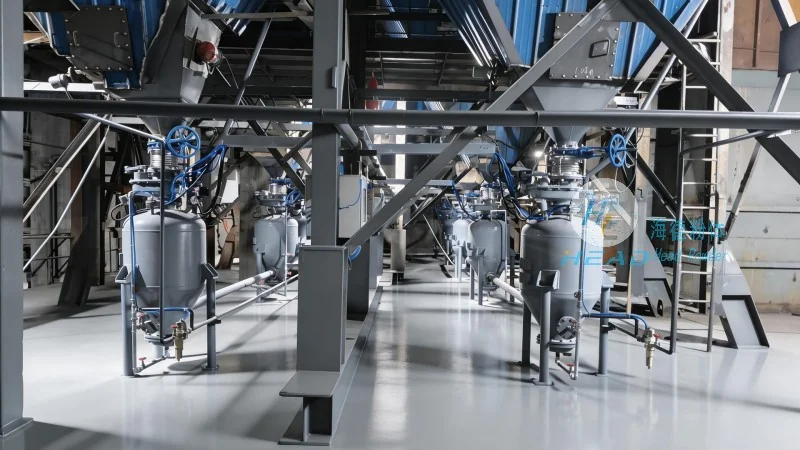
Introduction to Dilute Phase Powder Conveying Systems
A dilute phase powder conveying system is a method of transporting dry powders or granular materials through a pipeline using a carrier gas, typically air or nitrogen. Unlike dense phase systems, where the material forms a slurry with the gas, dilute phase systems maintain a low solid concentration, allowing the material to behave more like a gas in terms of flow characteristics. This approach enables higher conveying velocities and longer distances, making it suitable for a wide range of industrial applications.
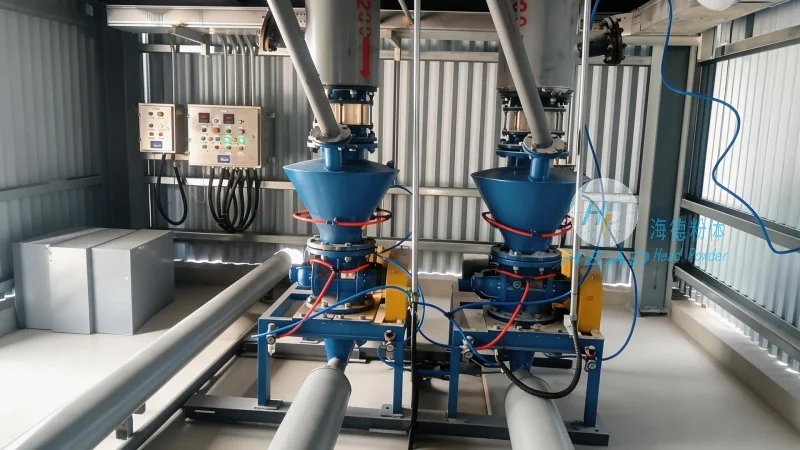
Key Components of a Dilute Phase Powder Conveying System
The core components of a dilute phase powder conveying system include the feed hopper, the conveying line, the gas source, and the control system. The feed hopper is responsible for introducing the powder into the system, often equipped with a feeder to regulate the flow rate. The conveying line consists of a pipeline through which the powder and gas mixture travels, typically made of materials such as stainless steel or plastic to prevent corrosion and material buildup. The gas source provides the necessary pressure and volume to move the material, while the control system monitors and adjusts parameters like pressure, flow rate, and temperature to ensure optimal performance.
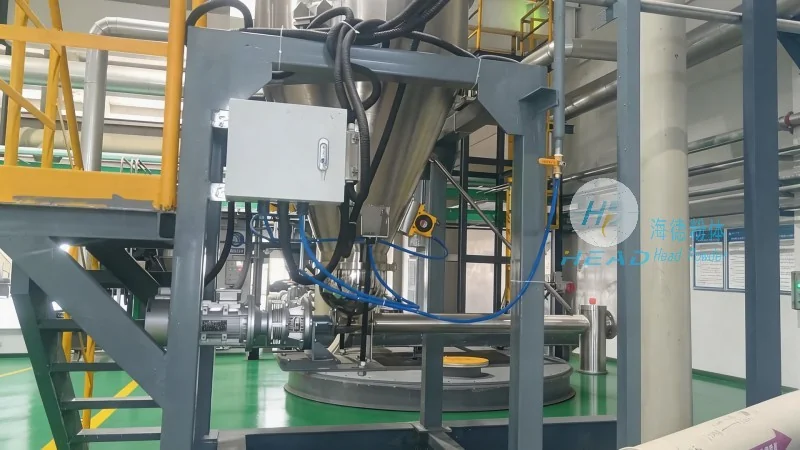
Design Principles and Operational Mechanics
The design of a dilute phase powder conveying system is guided by several key principles, including the need to maintain a stable gas-solid mixture, control pressure drop, and minimize material degradation. The system operates by creating a high-velocity gas stream that entrains the powder particles, carrying them through the pipeline. The gas velocity must be sufficient to overcome the gravitational and frictional forces acting on the particles, ensuring that the material remains suspended and moves efficiently. Design engineers consider factors such as particle size distribution, density, and moisture content, as these properties directly impact the system's performance and efficiency.
Applications and Benefits of Dilute Phase Systems
Dilute phase powder conveying systems are widely used in various industries, including chemical processing, pharmaceuticals, food processing, and mining. Their ability to transport materials over long distances with minimal energy consumption makes them an attractive solution for large-scale operations. Additionally, these systems offer advantages such as reduced material degradation, lower maintenance costs, and improved safety compared to traditional methods like bucket elevators or belt conveyors. The flexibility of dilute phase systems also allows for integration with other processing equipment, enhancing overall plant efficiency.
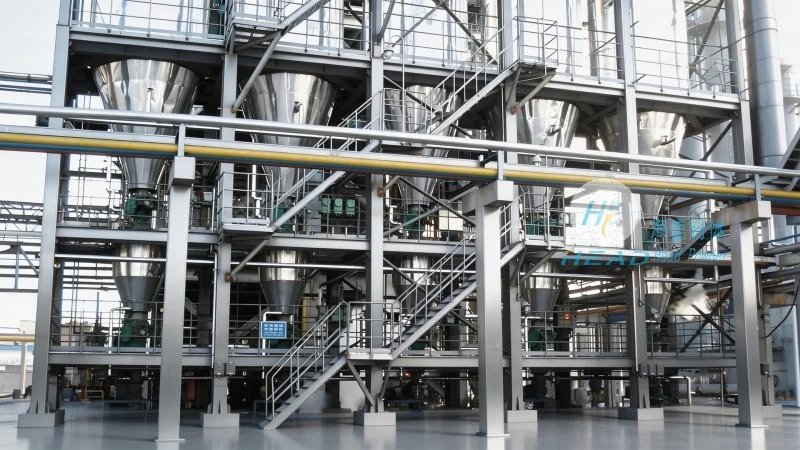
The Role of Shandong HeadPowder Engineering Co., Ltd. in the Industry
Shandong HeadPowder Engineering Co., Ltd., commonly known as headpowder, is a leading manufacturer and supplier of dilute phase powder conveying systems. With a strong focus on innovation and quality, the company has established itself as a trusted partner for industries seeking reliable material handling solutions. Headpowder's products are designed to meet the specific needs of various applications, incorporating advanced engineering principles and materials to ensure durability and performance. The company's commitment to customer satisfaction and technical support has earned it a reputation for excellence in the industry. Based in Shandong, China, headpowder leverages its local expertise and resources to deliver high-quality systems that meet international standards and customer requirements.




