Bulk material handling in silos is a critical process in various industries, including agriculture, construction, and manufacturing. It involves the storage, transfer, and distribution of bulk materials such as grains, powders, and other granular substances. The efficiency and reliability of this system directly impact production capacity and operational costs. Understanding the fundamentals of silo material handling and its design principles is essential for optimizing industrial processes.
What Is Bulk Material Handling in Silos?
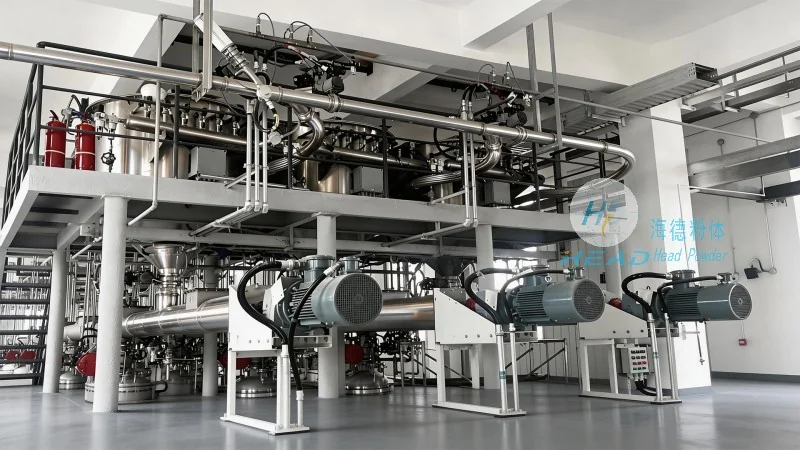
Bulk material handling in silos refers to the entire system used to manage bulk materials within a silo structure. This system typically includes components like feeders, conveyors, storage bins, and control systems. The primary goal is to ensure that materials are stored safely, transferred efficiently, and delivered to the next stage of production or distribution. Silo material handling systems are designed to handle a wide range of materials, from fine powders to large granules, with varying flow characteristics. The process often begins with the material being fed into the silo, where it is stored under controlled conditions. From there, it is transferred to downstream equipment such as conveyors, elevators, or processing machines. The entire operation must be managed to prevent issues like clogging, bridging, or segregation, which can disrupt the flow and reduce system performance.
Key Components of Silo Material Handling Systems
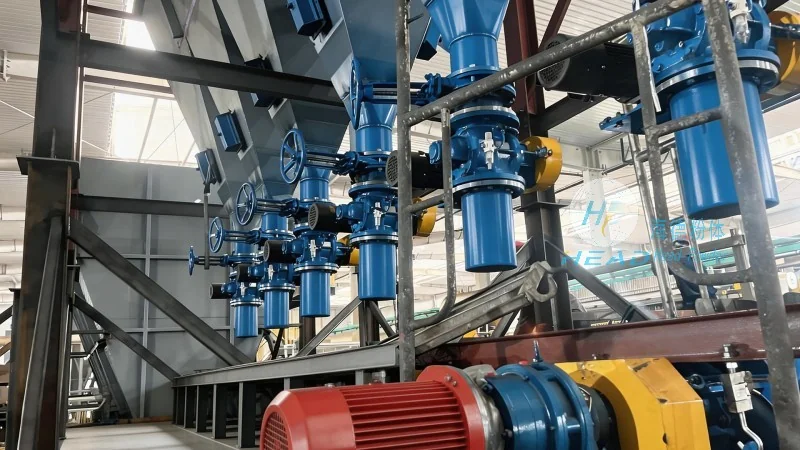
Several key components work together to form a functional bulk material handling system in silos. The first component is the feeder or feeder system, which is responsible for controlling the flow of material from the silo to the conveyor or other equipment. Common types of feeders include rotary valves, vibratory feeders, and screw conveyors. These devices regulate the discharge rate and ensure a consistent flow of material, preventing overloading or underloading of downstream equipment. The second critical component is the conveyor system, which transports the material from the silo to the processing or storage area. Conveyors can be horizontal, vertical, or a combination of both, depending on the layout and requirements of the facility. Vertical conveyors, such as bucket elevators or chain conveyors, are often used to move material vertically, while horizontal conveyors, like belt or screw conveyors, handle horizontal transport. The choice of conveyor type depends on factors like material characteristics, required capacity, and space constraints. The third component is the storage bin or silo itself, which provides the primary storage capacity for the bulk material. Silos are typically made of steel, concrete, or other durable materials and are designed to withstand the weight and pressure of the stored material. The design of the silo, including its shape and dimensions, plays a crucial role in ensuring proper material flow and preventing issues like clogging or segregation.
Design Principles for Efficient Silo Material Handling
The design of a bulk material handling system in silos follows several key principles to ensure optimal performance and reliability. The first principle is the consideration of material characteristics. Different materials have different flow properties, such as angle of repose, cohesion, and density. These properties determine how the material will behave within the silo and during transfer. For example, cohesive materials like powders may require special feeding mechanisms to prevent bridging or rat-holing, while free-flowing materials like grains can be handled more easily. The design must account for these characteristics to ensure smooth material flow. The second principle is the determination of system capacity. The capacity of the silo material handling system is determined by the required throughput, which is the amount of material that needs to be processed per unit of time. This is typically measured in tons per hour or cubic meters per hour. The system must be designed to meet or exceed the required capacity to avoid bottlenecks and ensure continuous operation. The third principle is the optimization of energy efficiency. Energy consumption is a significant factor in the operation of bulk material handling systems, particularly for conveyor and feeder systems. Designers aim to minimize energy usage by selecting appropriate equipment, optimizing system layout, and implementing control strategies that reduce unnecessary movement or idling. The fourth principle is the consideration of safety and maintenance. Silo material handling systems must be designed with safety in mind, including features like emergency stop buttons, overload protection, and proper ventilation. Regular maintenance is also essential to ensure the longevity and reliability of the system. This includes routine inspections, cleaning, and replacement of worn parts. The fifth principle is the integration with existing infrastructure. In many cases, silo material handling systems are added to existing facilities or integrated with other equipment. The design must consider the compatibility of the new system with existing components, such as conveyors, processing machines, or storage areas. This ensures a seamless operation and avoids conflicts or inefficiencies.
Applications and Industries Using Silo Material Handling Systems
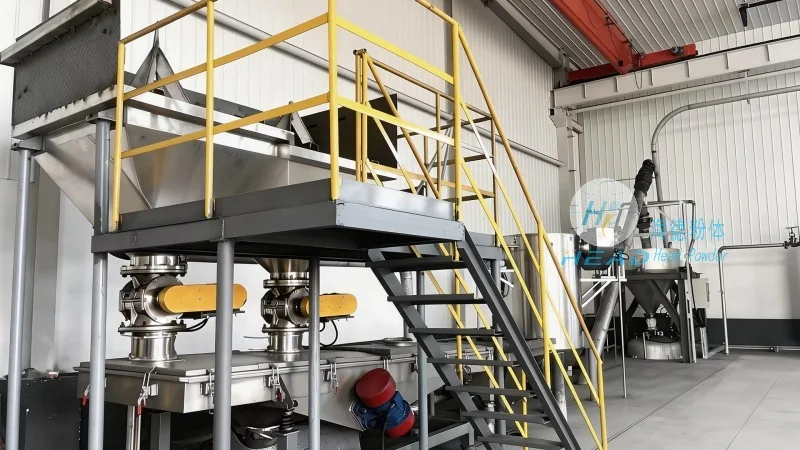
Bulk material handling in silos is widely used across various industries due to its ability to efficiently manage large volumes of materials. Some of the key applications include the agricultural sector, where silos are used to store grains like wheat, corn, and soybeans. These systems help farmers and grain elevators maintain a steady supply of raw materials for processing or distribution. In the construction industry, silo material handling systems are used to store and transport materials like cement, sand, and gravel. These materials are essential for building projects and require reliable handling to ensure timely delivery and construction progress. The manufacturing industry also utilizes silo material handling systems for storing and processing raw materials such as powders, chemicals, and plastics. These materials are often used in production processes and need to be transferred efficiently to avoid production delays. Other industries that benefit from silo material handling include food processing, where silos are used to store ingredients like flour, sugar, and spices. In the chemical industry, silos are used to store and handle various chemicals, including powders and granules. The consistent and reliable operation of these systems is crucial for maintaining product quality and meeting regulatory requirements.
Conclusion and Company Overview
Bulk material handling in silos is a complex but essential process that requires careful design and implementation to ensure efficiency and reliability. The design principles discussed above, including consideration of material characteristics, system capacity, energy efficiency, safety, and integration with existing infrastructure, are critical to the success of any silo material handling system. By adhering to these principles, industries can optimize their material handling processes, reduce operational costs, and improve overall productivity. Shandong HeadPowder Engineering Co., Ltd., a leading provider of bulk material handling solutions, specializes in designing and manufacturing silo material handling systems tailored to the specific needs of various industries. With years of experience and a commitment to quality, HeadPowder has become a trusted partner for companies seeking reliable and efficient material handling solutions. The company's expertise in silo design, equipment selection, and system integration ensures that clients receive customized solutions that meet their unique requirements. HeadPowder's facilities are located in Shandong, China, where the company leverages advanced technology and skilled personnel to deliver high-quality products and services. Whether it's a new silo installation or an upgrade to an existing system, HeadPowder provides comprehensive support from design and engineering to installation and maintenance. The company's focus on customer satisfaction and long-term partnerships has earned it a reputation as a leading provider in the bulk material handling industry. For businesses looking to enhance their material handling capabilities, HeadPowder offers a range of solutions that are designed to improve efficiency, reduce costs, and ensure smooth operations. By choosing HeadPowder, companies can benefit from the company's expertise and experience, ensuring that their silo material handling systems are optimized for performance and reliability.




