When it comes to industrial processes, the efficient and reliable handling of fine powders is a critical aspect that impacts production efficiency, safety, and overall operational performance. Fine powder material handling refers to the methods and technologies used to transport, store, and process powders with particle sizes typically ranging from a few microns to a few hundred microns. This type of material is common in various industries, including pharmaceuticals, chemicals, food processing, and mining, where precise control over powder flow and handling is essential.
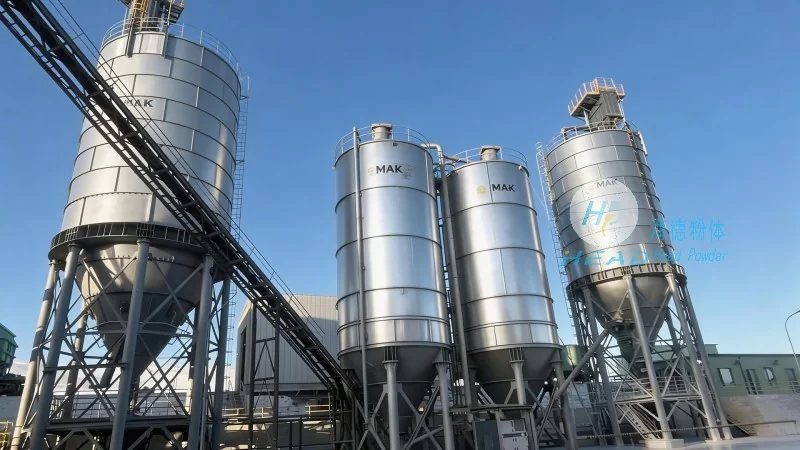
At Shandong HeadPowder Engineering Co., Ltd., we specialize in providing comprehensive solutions for fine powder material handling systems. Our expertise lies in understanding the unique challenges associated with handling these materials, such as their tendency to create dust, caking, or bridging, and developing tailored systems to mitigate these issues. The design principles behind effective fine powder handling are centered on ensuring consistent flow, preventing material degradation, and maintaining operational safety.
Key Design Principles for Fine Powder Material Handling
The design of a fine powder handling system involves several critical principles that ensure optimal performance. First, the system must address the material's flow characteristics. Fine powders often exhibit cohesive behavior, meaning they can stick together or to surfaces, leading to blockages or uneven flow. To overcome this, engineers employ techniques like fluidization, where air or gas is introduced to create a fluid-like state, allowing for smooth movement. Another key principle is the use of appropriate equipment, such as rotary valves, screw conveyors, and pneumatic conveying systems, which are specifically designed to handle fine powders without causing degradation or contamination.
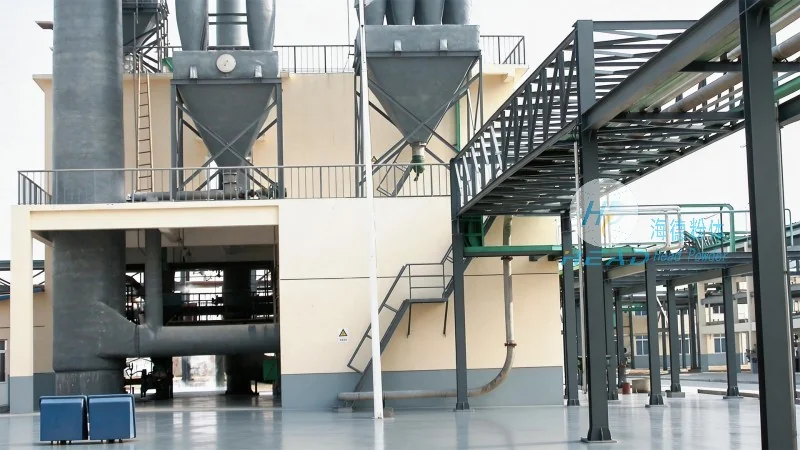
Second, the system must prioritize dust control and environmental safety. Fine powders are prone to generating airborne dust, which poses health risks and can lead to regulatory non-compliance. Therefore, effective dust collection systems, including baghouses and cyclones, are integrated into the design to capture and contain particulate matter. Additionally, the use of sealed and enclosed equipment helps maintain a controlled environment, reducing the risk of exposure for operators and minimizing environmental impact.
Components and Technologies in Fine Powder Handling Systems
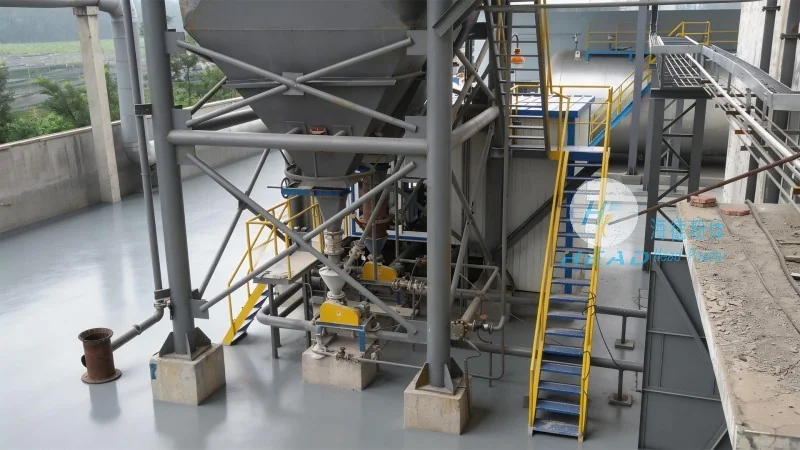
Modern fine powder handling systems incorporate a range of components and technologies to ensure efficiency and reliability. One of the most common components is the rotary valve, which acts as a gate to control the flow of material from a silo or hopper. These valves are designed to handle fine powders by minimizing the risk of clogging and ensuring a consistent discharge rate. Screw conveyors are another essential component, used for horizontal or inclined transport of powders. They are particularly effective for materials that are prone to bridging or caking, as the screw's rotation helps break up clumps and maintain a smooth flow.
Pneumatic conveying systems are widely used for long-distance or high-volume transport of fine powders. These systems use air or gas to move material through pipes, offering advantages such as flexibility in layout and the ability to handle materials that are difficult to transport mechanically. However, the design of pneumatic systems requires careful consideration of pressure, velocity, and particle size to prevent particle degradation and ensure efficient transport. Another important technology is the use of vibrators or agitators to prevent material from settling or bridging in hoppers and silos, ensuring a steady supply of material to downstream processes.
Applications and Industries Benefiting from Fine Powder Handling Solutions
Fine powder handling solutions are utilized across a broad spectrum of industries, each with unique requirements. In the pharmaceutical industry, for example, the handling of fine powders is critical for ensuring product purity and consistency. The systems used must meet stringent regulatory standards, including those related to contamination control and material traceability. In the chemical industry, fine powders are often used as raw materials or intermediates, and the handling systems must be designed to prevent cross-contamination and maintain product integrity. The food processing industry also relies on fine powder handling for ingredients like spices, sugars, and flavorings, where the quality and safety of the final product are paramount.
In the mining and minerals processing sector, fine powders are produced during grinding and crushing operations. The handling of these materials is essential for efficient downstream processing, such as flotation or filtration. The systems used in this industry must be robust and capable of handling abrasive and corrosive materials, ensuring long-term durability and performance. Additionally, the mining industry often deals with large volumes of fine powders, requiring high-capacity handling solutions that can maintain consistent flow rates and minimize downtime.
Addressing Common Challenges in Fine Powder Handling
Despite the advancements in technology, fine powder handling still presents several challenges that must be addressed through careful system design. One of the primary challenges is the prevention of material degradation. Fine powders are susceptible to attrition, where particles break down into smaller sizes, affecting product quality and performance. To mitigate this, engineers use low-speed equipment and avoid high-pressure or high-velocity conditions that can cause particle breakdown. Another challenge is the prevention of dust explosions, which can occur when fine powders are suspended in air and ignited. Proper explosion protection measures, such as spark arrestors and explosion venting, are incorporated into the system design to ensure safety.
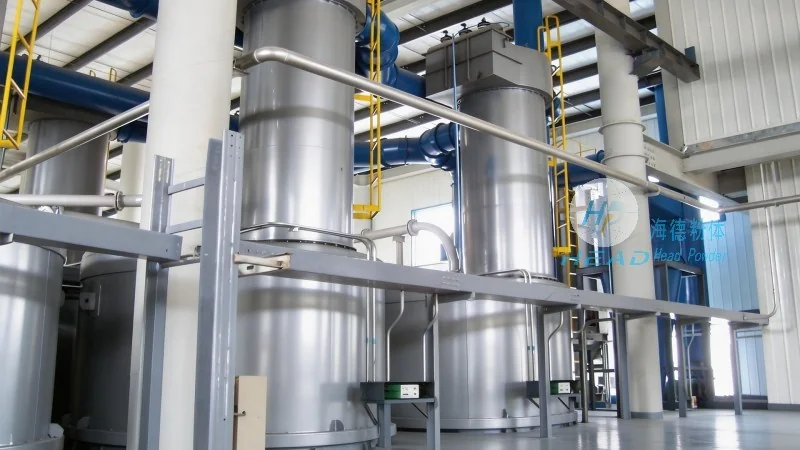
Furthermore, the challenge of material bridging and caking must be addressed. Fine powders can form stable structures that block hoppers and silos, leading to operational disruptions. The use of vibrators, agitators, and proper hopper design, including conical or wedge-shaped bottoms, helps prevent these issues by ensuring material flows freely. Finally, the challenge of scale-up and consistency must be considered when designing systems for large-scale production. Ensuring that the system can maintain consistent performance as production scales up is critical for meeting quality and efficiency standards.
Conclusion and Company Overview
Effective fine powder material handling is a complex but essential aspect of modern industrial operations. The design principles and technologies employed by companies like Shandong HeadPowder Engineering Co., Ltd. play a crucial role in ensuring that these materials are handled safely, efficiently, and with minimal degradation. By addressing the unique challenges associated with fine powders, such as flow characteristics, dust control, and equipment durability, these systems contribute to improved production outcomes and operational reliability. As industries continue to rely on fine powders for their processes, the importance of well-designed handling systems will only grow, making it a critical area of focus for engineers and manufacturers alike.




