Compound fertilizer material handling encompasses the processes of transporting, storing, and managing bulk compound fertilizers throughout the agricultural supply chain. This critical operation ensures that fertilizers are delivered to farms in a timely and efficient manner, supporting modern agricultural productivity. The design of material handling systems for compound fertilizers is a complex task that requires careful consideration of various factors, including material properties, operational capacity, and regulatory requirements. A well-designed system not only enhances efficiency but also minimizes risks such as material loss, equipment damage, and environmental contamination.
Key Design Principles for Compound Fertilizer Handling Systems
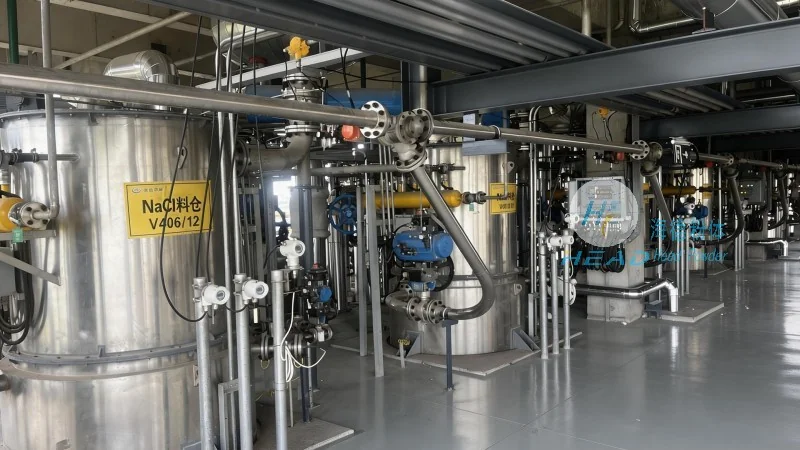
The design of compound fertilizer material handling systems is guided by several fundamental principles that prioritize safety, efficiency, and durability. These principles include optimizing material flow to eliminate bottlenecks and ensure smooth transfer of fertilizers from storage to processing or packaging stages. Equipment selection is based on the physical characteristics of the fertilizer, such as particle size, moisture content, and flowability, to prevent issues like blockages or uneven distribution. Integration with storage and packaging systems is another critical principle, as it creates a seamless supply chain that reduces downtime and improves overall productivity. Additionally, design considerations must address environmental factors, such as dust control and noise reduction, to comply with local regulations and maintain a safe working environment for personnel.
Components of a Typical Compound Fertilizer Material Handling System
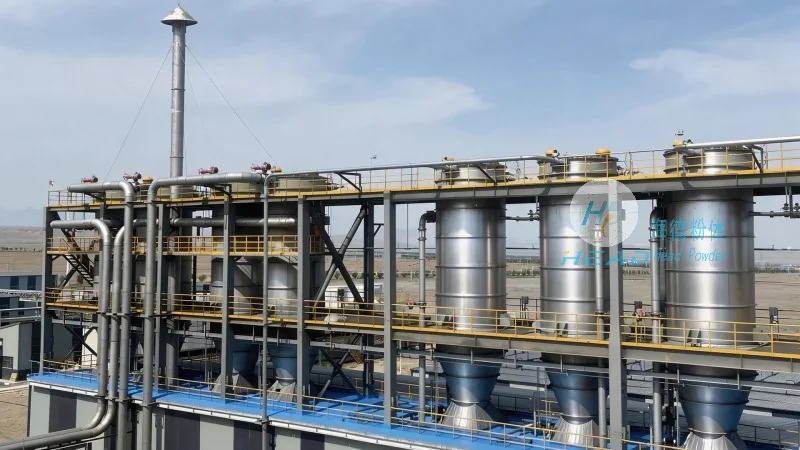
A typical compound fertilizer material handling system consists of several interconnected components that work together to achieve efficient operation. These components include bulk storage silos or hoppers, conveyor systems (such as belt conveyors or screw conveyors), feeding mechanisms, and transfer equipment. The storage silos are designed to hold large quantities of fertilizer, often with multiple compartments to accommodate different types or grades of fertilizer, ensuring flexibility in production and distribution. Conveyor systems transport the fertilizer from storage to processing or packaging areas, with belt conveyors commonly used for horizontal movement due to their high capacity and low maintenance. Screw conveyors are preferred for vertical or inclined transport, as they can handle sticky or cohesive materials without the need for additional power. Feeding mechanisms, such as rotary valves or star feeders, regulate the flow rate of fertilizer from the silos to the conveyor systems, preventing overloading or underloading of downstream equipment. Transfer equipment, including pneumatic conveyors or bucket elevators, may be used for vertical or horizontal movement, depending on the layout of the facility and the specific requirements of the process.
Role of Material Properties in Handling Design
The physical and chemical properties of compound fertilizers play a crucial role in determining the design of handling systems. For instance, the flowability of the fertilizer, which is influenced by particle size distribution, moisture content, and bulk density, dictates the type of conveyor or feeder to use. A highly flowable fertilizer, with uniform particle sizes and low moisture content, can be efficiently handled using belt conveyors, while a cohesive or sticky fertilizer may require screw conveyors or pneumatic systems to prevent blockages. The abrasiveness of the fertilizer also affects equipment wear, as it can cause rapid deterioration of conveyor belts or feeder components. Therefore, selecting durable materials like stainless steel or special coatings is essential to extend the lifespan of the handling system. Additionally, the chemical stability of the fertilizer must be considered, as certain materials may degrade when exposed to air or moisture, requiring sealed storage and handling systems to maintain product quality.
HeadPowder Engineering: Expertise in Compound Fertilizer Handling Solutions
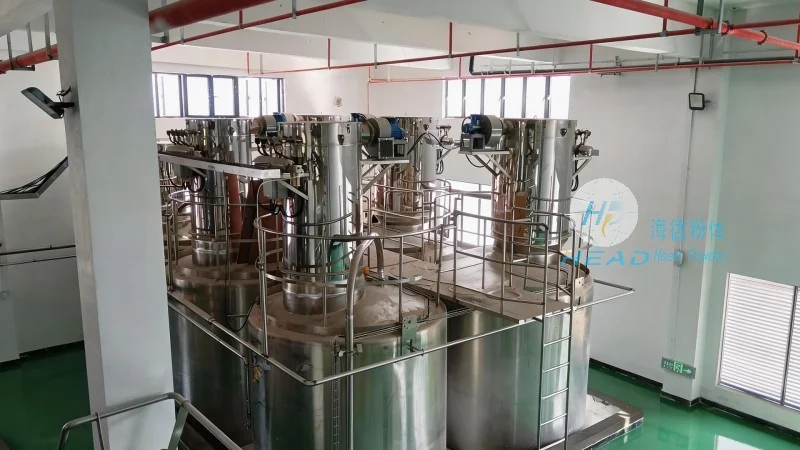
Shandong HeadPowder Engineering Co., Ltd., a leading provider of engineering solutions for the fertilizer industry, specializes in designing and manufacturing material handling systems tailored to the unique needs of compound fertilizer production and distribution. HeadPowder, located in Shandong, China, has years of experience in the field, developing a comprehensive range of solutions that address the challenges of handling bulk fertilizers efficiently and safely. The company's expertise lies in integrating advanced technology with practical design, ensuring that their systems meet the highest standards of performance, durability, and compliance with industry regulations. With a strong focus on customer satisfaction, HeadPowder works closely with clients to understand their specific needs, providing customized solutions that enhance operational efficiency and reduce costs.
Addressing Common Challenges in Compound Fertilizer Handling
Handling compound fertilizers presents several common challenges, including dust generation, material segregation, and equipment wear. HeadPowder addresses these challenges through innovative solutions such as dust suppression systems, which use water or other agents to control airborne dust, reducing health risks and environmental impact. Material mixing equipment, such as paddle mixers or rotary drums, is used to prevent segregation during transport, ensuring that the fertilizer remains homogeneous and meets quality standards. Additionally, the company employs advanced maintenance strategies, including regular inspections and predictive maintenance, to minimize equipment wear and extend the lifespan of their systems. By addressing these common issues, HeadPowder helps clients maintain consistent product quality, reduce operational costs, and enhance overall operational efficiency.




