Nickel powder, a critical material in various industrial applications such as battery manufacturing, catalyst production, and metal powder metallurgy, presents unique challenges during material handling due to its high reactivity and tendency to oxidize. Efficient and safe transportation of nickel powder is essential to maintain product quality and ensure operational safety. This article explores the concept of a nickel powder material handling system and delves into the underlying design principles that enable effective and reliable powder transport.
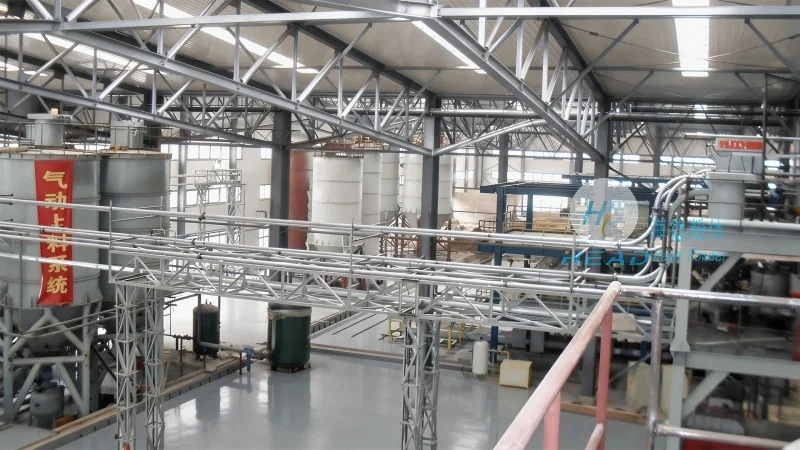
Understanding the Challenges of Nickel Powder Handling
Nickel powder is characterized by its fine particle size, which increases surface area and makes it susceptible to oxidation when exposed to air. This oxidation can alter the powder's chemical properties, reducing its effectiveness in downstream processes. Additionally, nickel powder can generate static electricity during handling, posing fire and explosion risks in certain environments. Traditional open-air handling methods are often inadequate, as they lead to dust accumulation, product degradation, and safety hazards. To address these challenges, specialized material handling systems are required that prioritize containment, control of air exposure, and prevention of static discharge.
HeadPowder's Nickel Powder Material Handling System Overview
Shandong HeadPowder Engineering Co., Ltd., a leading provider of engineering solutions for powder handling, has developed a comprehensive nickel powder material handling system tailored to meet the stringent requirements of modern industrial applications. The system is designed to provide a closed-loop environment that minimizes exposure to air and external contaminants, ensuring the integrity of the nickel powder throughout the transport process. HeadPowder's approach integrates advanced engineering principles with robust manufacturing practices to deliver a reliable solution for nickel powder handling.
Key Design Principles of the Nickel Powder Material Handling System
The design of the nickel powder material handling system at HeadPowder is guided by several critical principles aimed at optimizing performance, safety, and efficiency. These principles include:
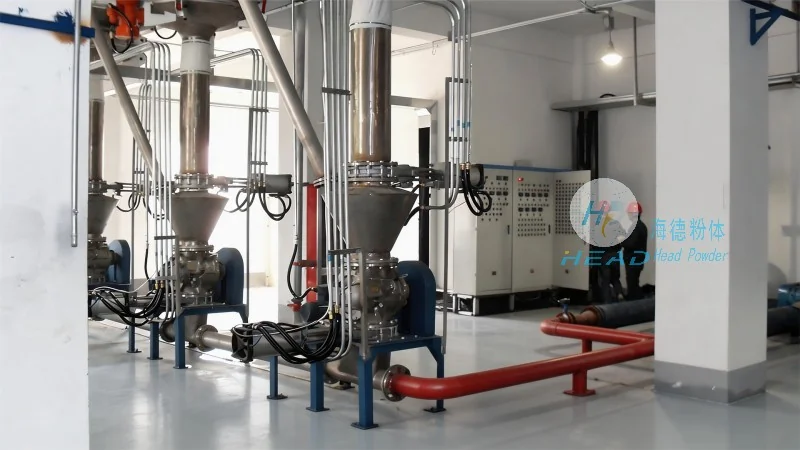
1. **Closed System Containment**: The system employs a fully enclosed design to prevent the release of nickel powder into the environment. This containment is achieved through the use of sealed hoppers, conveyor systems, and transfer points, ensuring that the powder remains within the system until it reaches its destination.
2. **Airtight Sealing and Gaskets**: All components of the system, including hoppers, pipes, and valves, are equipped with high-quality airtight seals and gaskets. This prevents air ingress and maintains a controlled atmosphere within the system, reducing the risk of oxidation and contamination.
3. **Static Control Measures**: To mitigate the risk of static electricity buildup, the system incorporates grounding and anti-static materials in its construction. Additionally, the design includes static dissipative conveyor belts and regular grounding points to ensure safe discharge of static charges.
4. **Material Compatibility**: The components of the system are made from materials that are chemically compatible with nickel powder, such as stainless steel or specialized polymers. This prevents reaction between the powder and system materials, which could alter the powder's properties or cause corrosion.
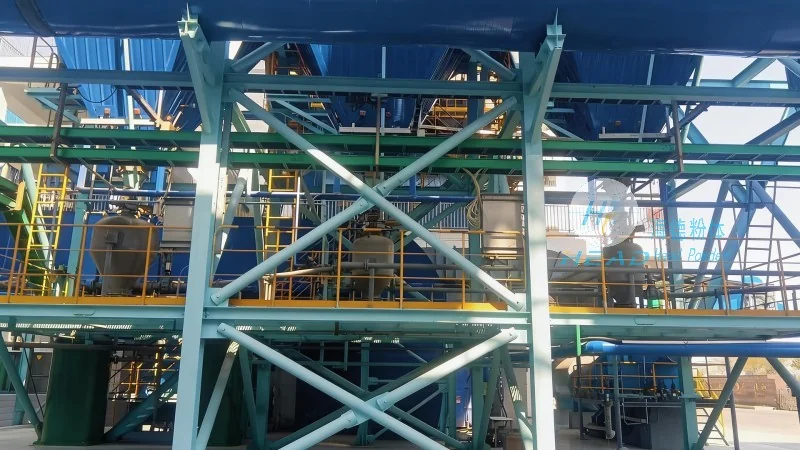
5. **Dust Collection and Filtration**: The system includes integrated dust collection and filtration systems to capture any airborne particles that may escape from the sealed components. This not only maintains a clean environment but also prevents the loss of valuable nickel powder.
Operational Efficiency and Reliability
HeadPowder's nickel powder material handling system is engineered for high operational efficiency and reliability. The system's design minimizes downtime by incorporating features such as easy maintenance access points, automated control systems, and redundant components where necessary. The closed-loop design ensures consistent flow rates and prevents material buildup, which can lead to blockages or system failures. Additionally, the system is designed to be scalable, allowing it to accommodate varying production volumes and process requirements.
Conclusion
In conclusion, a nickel powder material handling system is a specialized engineering solution that addresses the unique challenges associated with handling nickel powder. The design principles employed by HeadPowder, including closed system containment, airtight sealing, static control, material compatibility, and dust management, ensure that the powder is transported safely and efficiently. By adhering to these principles, the system maintains the quality of the nickel powder while minimizing operational risks. For industries relying on nickel powder, such as battery manufacturers and catalyst producers, investing in a well-designed material handling system is crucial for optimizing production processes and ensuring product quality.




