Iron turnings, also known as steel turnings, are a byproduct of metalworking processes, particularly in the machining of steel components. These fine metal particles are often generated in large quantities and require efficient handling and transportation for recycling or further processing. This article explores the iron turnings material handling system, detailing its components, design principles, and the role of specialized engineering companies in developing such solutions.
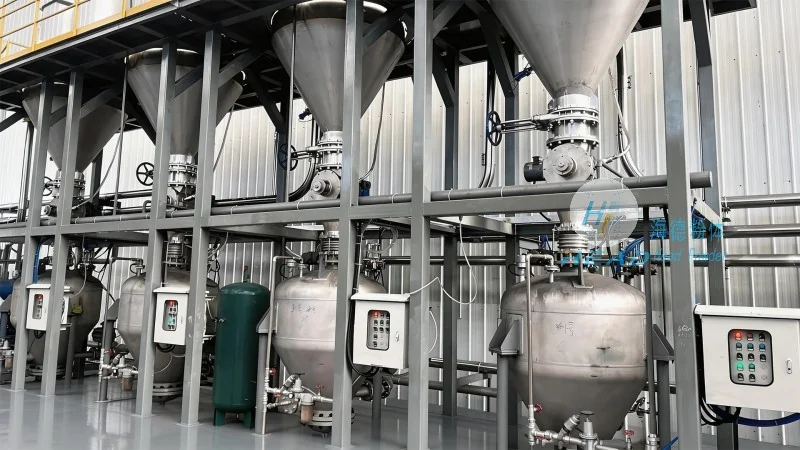
Introduction to Iron Turnings Material Handling Systems
An iron turnings material handling system is a specialized setup designed to collect, transport, and manage the flow of steel turnings from various sources, such as machining centers, grinding operations, or casting lines. The primary goal of these systems is to ensure the efficient and safe movement of these metal particles, minimizing waste and optimizing the recycling process. Such systems are critical in industries where metal recycling is a key part of the production cycle, particularly in steel manufacturing and metalworking sectors.
Core Components and Design Principles of the System
The effectiveness of an iron turnings material handling system relies on a combination of key components and well-defined design principles. The system typically includes collection hoppers or bins to gather the turnings, followed by conveyors or pneumatic systems to transport them to processing or storage areas. Separation equipment, such as magnetic separators, may be integrated to remove non-metallic contaminants, ensuring the purity of the material. Control systems, often automated, manage the flow and speed of the material, enhancing operational efficiency and safety.
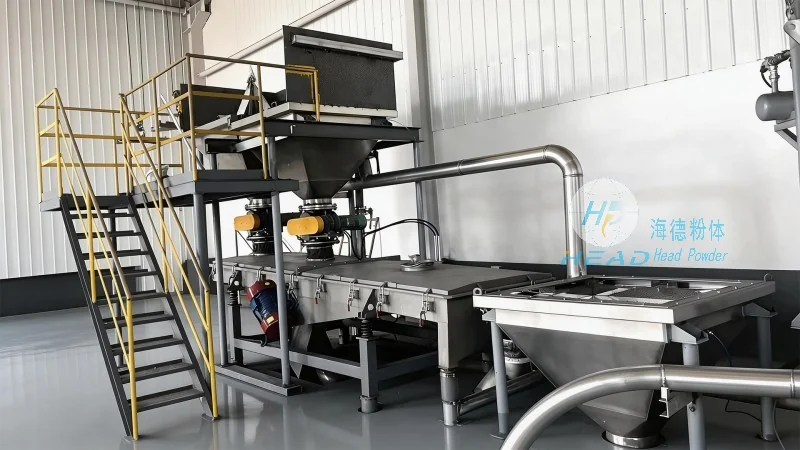
Design principles focus on maximizing throughput while minimizing energy consumption and maintenance requirements. Engineers consider factors like the size and density of the turnings, the layout of the production facility, and the desired output rate when designing the system. A well-designed system should be adaptable to changes in production volume and capable of handling different types of metal turnings, from fine particles to larger chunks. Reliability and durability are also paramount, as these systems operate in demanding industrial environments where downtime can lead to significant losses.
The Role of Shandong HeadPowder Engineering Co., Ltd. in System Development
Shandong HeadPowder Engineering Co., Ltd., commonly known as HeadPowder, is a leading engineering company specializing in the design and manufacturing of material handling solutions for industrial applications. With a strong presence in China, particularly in Shandong, the company has extensive experience in developing customized iron turnings material handling systems tailored to the specific needs of clients. HeadPowder's team of engineers leverages advanced technology and industry expertise to create systems that meet the highest standards of efficiency, safety, and durability.
HeadPowder's approach to system development involves a thorough understanding of the client's operational requirements. The company conducts on-site assessments to analyze the production process, material characteristics, and existing infrastructure. Based on these insights, HeadPowder designs a system that integrates seamlessly with the client's workflow, optimizing material flow and reducing operational costs. The company's commitment to quality is evident in its use of high-grade materials and rigorous testing protocols, ensuring that each system meets or exceeds industry specifications.
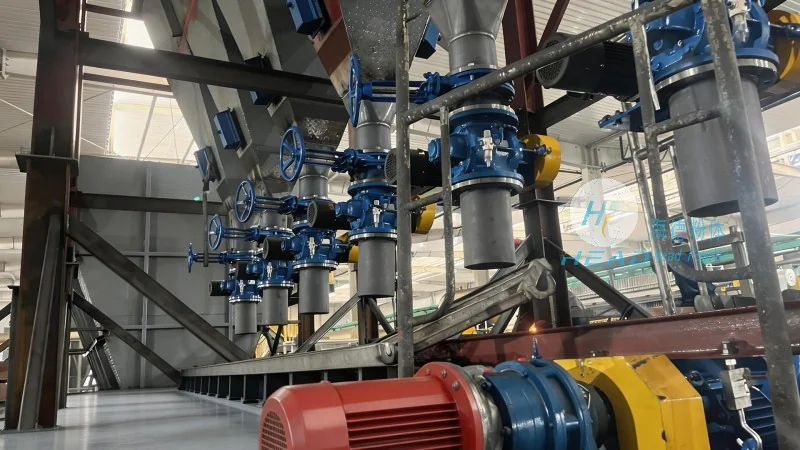
Key Features and Advantages of the Material Handling Solutions
The iron turnings material handling systems developed by HeadPowder and similar engineering firms offer several key advantages. One of the most significant benefits is the ability to handle large volumes of metal turnings with minimal human intervention, reducing labor costs and improving workplace safety. The systems are designed to minimize material loss and contamination, which is crucial for maintaining the quality of the recycled metal. Additionally, the use of automated control systems allows for precise regulation of the material flow, preventing overloading or underutilization of equipment.
Another advantage is the adaptability of these systems to different production environments. Whether in a small-scale workshop or a large industrial plant, the systems can be scaled to meet the specific needs of the operation. This flexibility makes them suitable for a wide range of applications, from small-scale metalworking shops to major steel manufacturing facilities. The systems also contribute to environmental sustainability by promoting the recycling of metal, reducing the need for raw material extraction and minimizing waste disposal costs.
Application Scenarios and Practical Benefits
Iron turnings material handling systems are widely used in various industrial settings. In steel mills, for example, these systems are employed to collect turnings from machining operations and transport them to the recycling facility, where they are melted down to produce new steel products. In foundries, the systems help manage the flow of metal turnings from casting processes, ensuring that the material is efficiently recycled and reused. Additionally, these systems are used in automotive manufacturing, where the recycling of steel turnings is essential for reducing the carbon footprint of vehicle production.
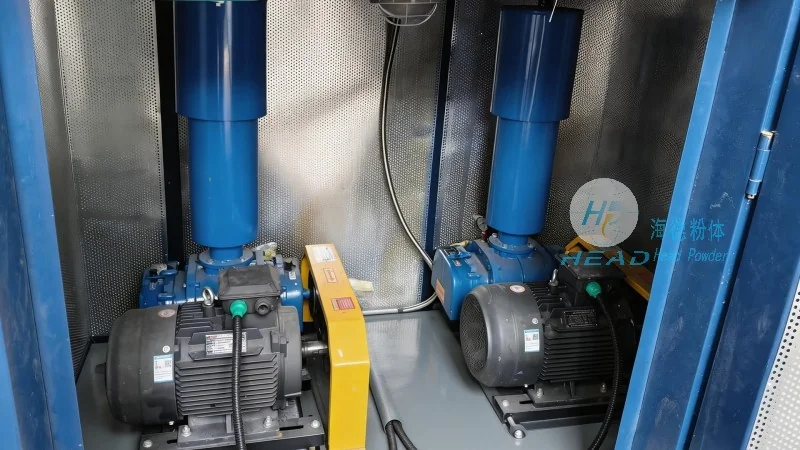
The practical benefits of implementing such systems extend beyond material handling. By improving the efficiency of the metal recycling process, companies can reduce their operational costs and increase their profitability. The systems also contribute to a safer working environment by minimizing the need for manual handling of heavy or potentially hazardous materials. Furthermore, the consistent quality of the recycled metal produced by these systems enhances the overall product quality, leading to higher customer satisfaction and market competitiveness.
Conclusion
In conclusion, the iron turnings material handling system is a critical component of modern industrial operations, particularly in metalworking and steel manufacturing. The design and implementation of these systems require careful consideration of various factors, including material characteristics, production volume, and operational requirements. Companies like Shandong HeadPowder Engineering Co., Ltd. play a vital role in developing customized solutions that meet the specific needs of their clients, enhancing efficiency, safety, and sustainability in the metal recycling process. As the demand for sustainable industrial practices continues to grow, the importance of effective material handling systems will only increase, making them an essential investment for any company involved in metal processing.




