What is a High-Alumina Fly Ash Material Handling System? And What Are Its Design Principles?
Release time:2026-09-15 00:03:37
name of the company:Shandong Headpowder Engineering Co., Ltd.
telephone:156-6277-7102
contacts:Zhang manager
High-alumina fly ash, a byproduct of coal combustion, is widely utilized in construction and industrial sectors due to its distinctive properties. The efficient handling and transportation of this material are vital for optimizing production processes and ensuring safety in industrial operations. This article examines the concept of a high-alumina fly ash material handling system and explores its fundamental design principles.
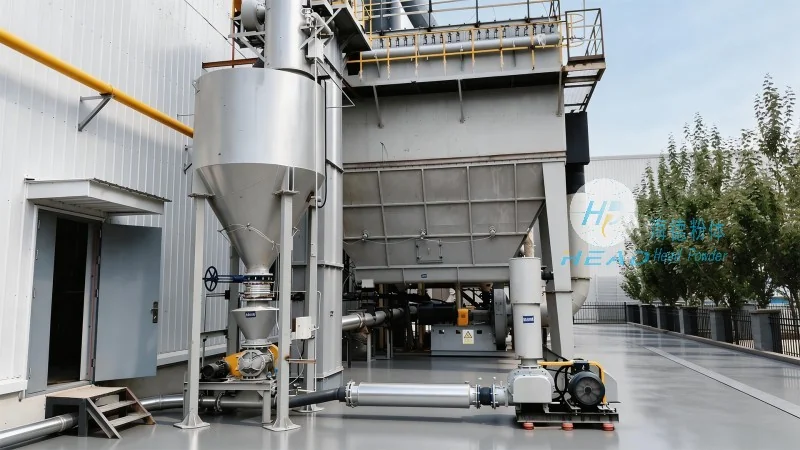
Understanding High-Alumina Fly Ash Material Handling Systems
High-alumina fly ash material handling systems are engineered to safely and efficiently transport high-alumina fly ash from its source, such as a power plant or industrial facility, to processing or storage locations. These systems are critical in industries like cement production, concrete manufacturing, and other applications where fly ash serves as a key ingredient. The primary objective of such systems is to minimize material loss, reduce operational costs, and enhance overall process efficiency.
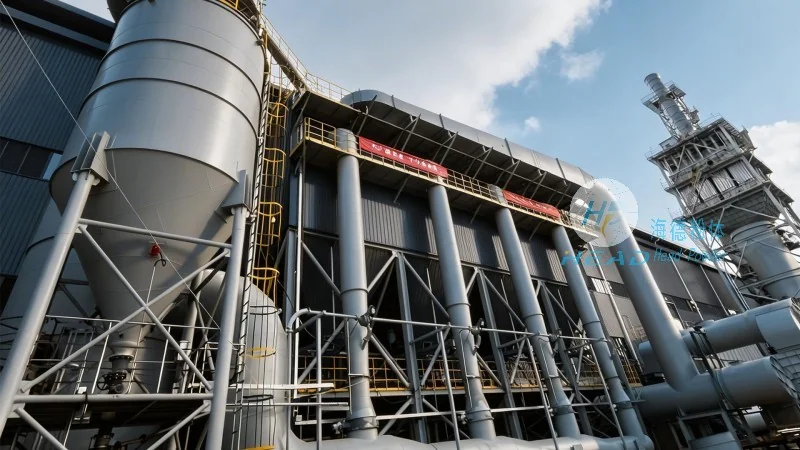
Key Components of a High-Alumina Fly Ash Material Handling System
The design of a high-alumina fly ash material handling system typically involves several key components that operate in concert to ensure smooth operation. These components include:
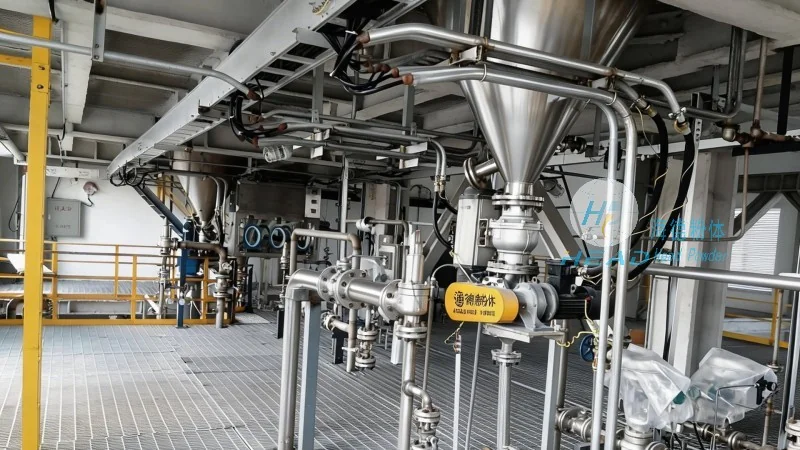
- Feeding Equipment: This component is responsible for collecting and feeding the high-alumina fly ash from its source. Common feeding equipment includes rotary valves, screw conveyors, and bucket elevators, which are designed to handle bulk material with minimal dust generation.
- Pneumatic Conveying Systems: Many high-alumina fly ash systems employ pneumatic conveying technology, which utilizes air pressure to transport the material through pipelines. This method is particularly effective for handling fine powders and can be configured for both low and high-pressure applications.
- Storage Silos: After initial transport, the fly ash is often stored in large silos or hoppers. These structures are designed to maintain the material's quality and prevent caking or segregation, which can affect downstream processing.
- Dosing and Metering Equipment: To ensure precise control over the amount of fly ash added to production processes, dosing and metering systems are integrated into the handling system. These components help maintain consistent product quality and reduce waste.
Design Principles for High-Alumina Fly Ash Material Handling Systems
The design principles of a high-alumina fly ash material handling system are centered on several critical factors that ensure optimal performance and safety. These principles include:
- Material Compatibility: The system components must be compatible with high-alumina fly ash, which can be abrasive and corrosive. Materials such as stainless steel, special alloys, or coated components are often used to prevent wear and degradation.
- Dust Control: Effective dust suppression is a key design consideration to protect both equipment and personnel. This is achieved through the use of sealed systems, dust collectors, and proper ventilation to minimize airborne particulates.
- Energy Efficiency: Modern high-alumina fly ash handling systems are designed with energy efficiency in mind. This includes optimizing air pressure in pneumatic systems, using efficient feeding mechanisms, and minimizing material handling distances to reduce energy consumption.
- Process Integration: The system must be seamlessly integrated with existing production processes to ensure smooth workflow and minimal disruption. This involves coordinating with other equipment, such as mixers or kilns, to maintain consistent material flow.
Benefits of Implementing a High-Alumina Fly Ash Material Handling System
Adopting a well-designed high-alumina fly ash material handling system offers numerous benefits for industrial operations. These benefits include:
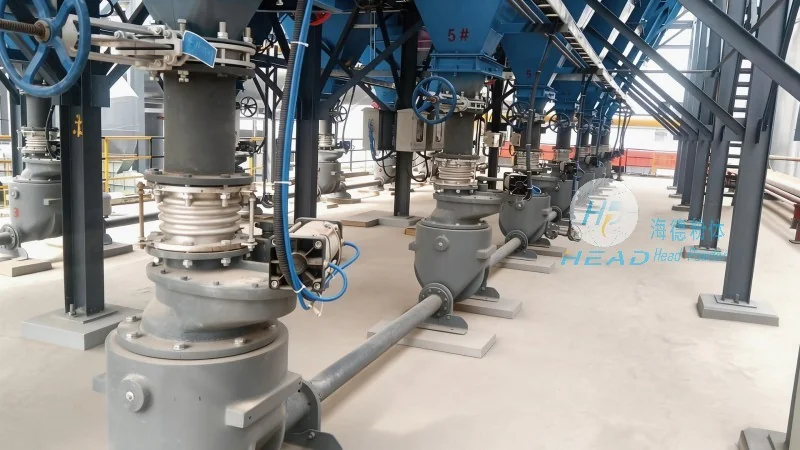
- Improved Product Quality: By ensuring consistent and precise material handling, the system helps maintain the quality of the final product, such as concrete or cement, which is critical for structural integrity.
- Cost Reduction: Efficient handling reduces material loss, lowers energy consumption, and minimizes maintenance costs, leading to overall operational cost savings.
- Enhanced Safety: Proper dust control and sealed systems reduce the risk of respiratory issues and other health hazards associated with handling fine powders.
- Increased Throughput: Optimized material flow and reduced downtime improve production throughput, allowing facilities to meet higher demand and increase productivity.
Conclusion
High-alumina fly ash material handling systems are essential for industries relying on this valuable byproduct. By understanding the key components and design principles, companies can implement effective systems that enhance operational efficiency, ensure product quality, and promote safety. With careful consideration of material compatibility, dust control, and energy efficiency, these systems provide significant benefits for modern industrial applications.




