High-temperature fine powder conveying systems are critical components in industrial processes that handle powders at elevated temperatures. These systems are designed to transport fine powders efficiently and safely under challenging thermal conditions. The equipment used in such systems must be capable of withstanding high temperatures while maintaining the integrity of the material being conveyed. This article explores the key aspects of high-temperature fine powder conveying systems, including the equipment involved and the underlying design principles that ensure reliable operation.
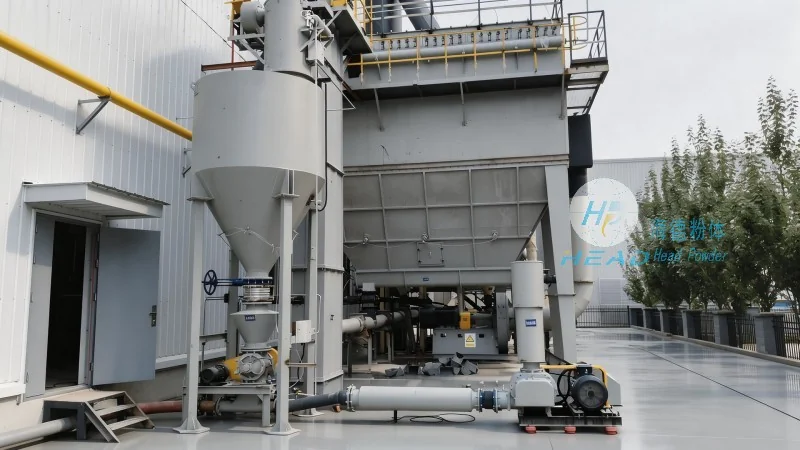
About HeadPowder: A Leading Provider of Conveying Solutions
HeadPowder, or Shandong HeadPowder Engineering Co., Ltd., is a reputable company based in Shandong, China, specializing in the design, manufacturing, and supply of advanced conveying systems. With years of experience in the industry, HeadPowder has developed a strong reputation for delivering high-quality equipment tailored to the specific needs of various industrial applications. The company’s commitment to innovation and customer satisfaction has made it a trusted partner for businesses seeking reliable solutions for powder handling in high-temperature environments.
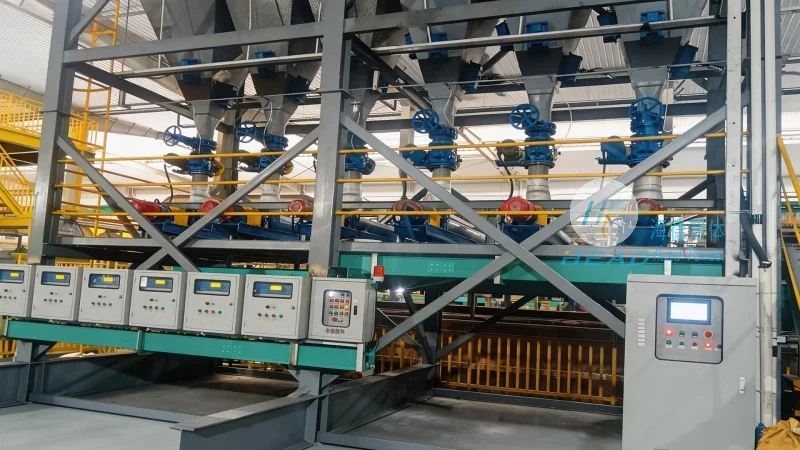
Key Equipment in High-Temperature Fine Powder Conveying Systems
The core components of a high-temperature fine powder conveying system typically include several key pieces of equipment. These may include feeders, conveyors, and control systems, all engineered to operate under extreme thermal conditions. The feeders are responsible for accurately metering the fine powder into the conveying line, ensuring a consistent flow rate. The conveyors, such as pneumatic or mechanical systems, transport the powder through the system while maintaining the required temperature. Control systems monitor and regulate the operation, ensuring safety and efficiency. Each component is designed with materials that can withstand high temperatures and resist corrosion, ensuring long-term reliability.
Design Principles for High-Temperature Conveying Systems
The design of high-temperature fine powder conveying systems follows several fundamental principles to ensure optimal performance and safety. One of the primary considerations is thermal resistance. The equipment must be constructed from materials that can endure the high temperatures without degrading or losing structural integrity. This often involves the use of specialized alloys and coatings that provide excellent heat resistance. Another critical principle is the prevention of material degradation. Fine powders can be sensitive to heat, and the conveying system must minimize exposure to temperatures that could cause oxidation or other chemical changes. This is achieved through efficient heat management and proper insulation. Additionally, the design emphasizes safety, incorporating features like temperature sensors and emergency shut-off mechanisms to prevent overheating and potential hazards. The system is also designed for durability, with components that can withstand the abrasive nature of fine powders and the mechanical stresses of continuous operation.
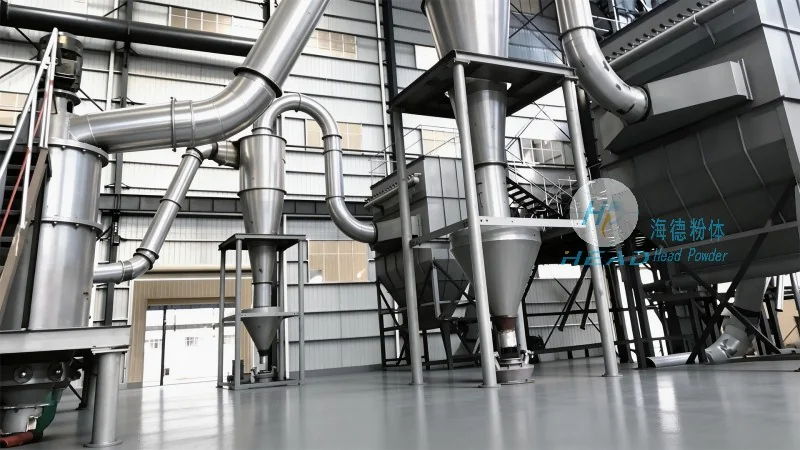
Applications and Benefits of High-Temperature Fine Powder Conveying Systems
High-temperature fine powder conveying systems find applications in various industries, including chemical processing, pharmaceuticals, and food processing. In these sectors, the ability to handle powders at elevated temperatures is essential for maintaining product quality and ensuring process efficiency. The benefits of such systems include improved process control, reduced material loss, and enhanced safety for operators. By efficiently transporting fine powders under high-temperature conditions, these systems contribute to higher productivity and lower operational costs. The reliability of the equipment, combined with the advanced design principles, ensures that businesses can maintain consistent production levels even in demanding environments.




