

What is an Automatic Powder Bulk Material Pneumatic Conveying Line? What are its Design Principles?
Automatic powder bulk material pneumatic conveying lines are advanced industrial systems engineered to transport dry powders and granular materials through a network of pipes using air pressure. These systems are widely utilized in various industries, including pharmaceuticals, food processing, chemical manufacturing, and more, to ensure efficient, hygienic, and controlled material handling. The core function of such a line is to automate the process of weighing, mixing, and transporting bulk powders from storage to processing units, minimizing human intervention and enhancing operational safety.
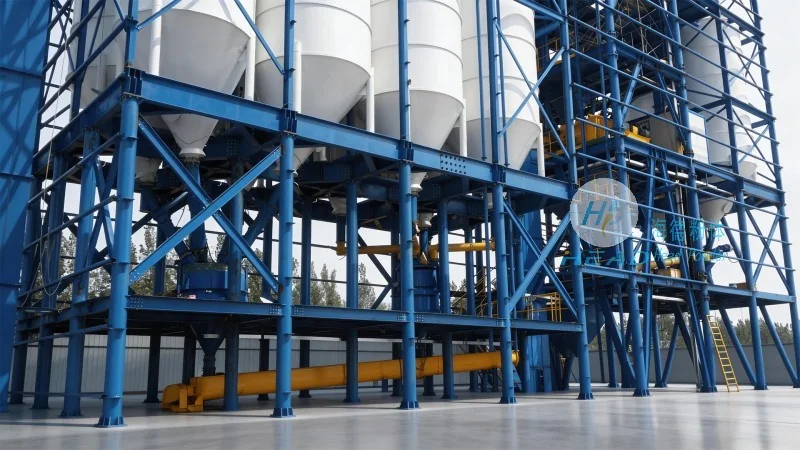
Company Profile: Shandong HeadPowder Engineering Co., Ltd.
HeadPowder, a leading provider in the field of powder handling technology, specializes in designing and manufacturing high-quality pneumatic conveying systems. With a strong commitment to innovation and customer satisfaction, the company has established itself as a trusted partner for businesses seeking reliable solutions for their bulk material handling needs. HeadPowder’s expertise lies in integrating advanced automation technologies with robust engineering to deliver systems that meet stringent industry standards and operational requirements.
Understanding the Design Principles of Pneumatic Conveying Lines
The design of an automatic powder bulk material pneumatic conveying line is based on several key principles that ensure optimal performance and efficiency. The primary design principle is the use of air as the conveying medium, which can be either positive pressure (where air pushes the material) or negative pressure (where air pulls the material). The choice between these two methods depends on the material characteristics, such as particle size, density, and flowability, as well as the distance and layout of the conveying system.
Another critical design principle is the selection of appropriate components, including the material of construction for the pipes and equipment. Materials like stainless steel are commonly used to prevent corrosion and ensure hygiene, which is particularly important in industries like pharmaceuticals and food processing. The system also incorporates components like feeders, cyclones, and filters to control the flow of material and maintain air quality. The design must also consider factors like pressure drop, which affects the energy consumption and overall efficiency of the system.
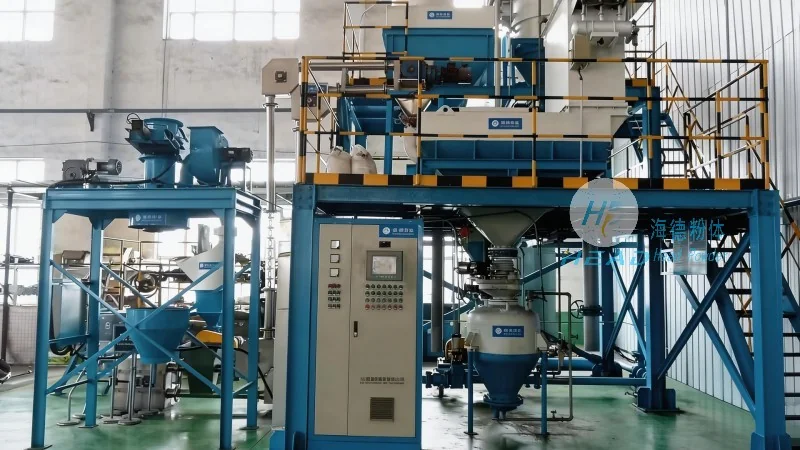
Key Components and Their Functions in a Pneumatic Conveying Line
A typical automatic powder bulk material pneumatic conveying line consists of several essential components, each playing a vital role in the overall operation. The main components include the material hopper or silo, which stores the bulk powder; the feeder, which controls the flow rate of the material into the conveying line; the conveying pipe, which transports the material using air pressure; the separation equipment, such as cyclones or filters, which separates the material from the air; and the dust collection system, which captures any fine particles to prevent environmental contamination.
The feeder is a critical component that ensures a consistent and controlled flow of material into the system. Different types of feeders, such as rotary valves, screw feeders, or vibratory feeders, are used depending on the material properties and the required flow rate. The conveying pipe is designed with appropriate bends and elbows to minimize pressure loss and maintain the material’s flow. The separation equipment is essential for recovering the material from the air stream and preventing it from being lost or causing environmental issues.
Operational Advantages and Applications
Automatic powder bulk material pneumatic conveying lines offer numerous advantages over traditional manual or mechanical conveying methods. These include improved safety by reducing human exposure to dust and hazardous materials, enhanced hygiene and cleanliness, and increased efficiency through automation. The systems can handle a wide range of materials, from fine powders to coarse granules, and can be customized to suit specific operational requirements, such as high-speed or low-speed conveying.
These systems are widely used in various industries. In the pharmaceutical industry, they are used to transport active pharmaceutical ingredients (APIs) and excipients with high precision and minimal contamination. In the food industry, they are employed to handle ingredients like flour, sugar, and spices, ensuring that the products remain fresh and free from contamination. In chemical manufacturing, they are used to transport raw materials and intermediates, contributing to the overall efficiency of the production process.
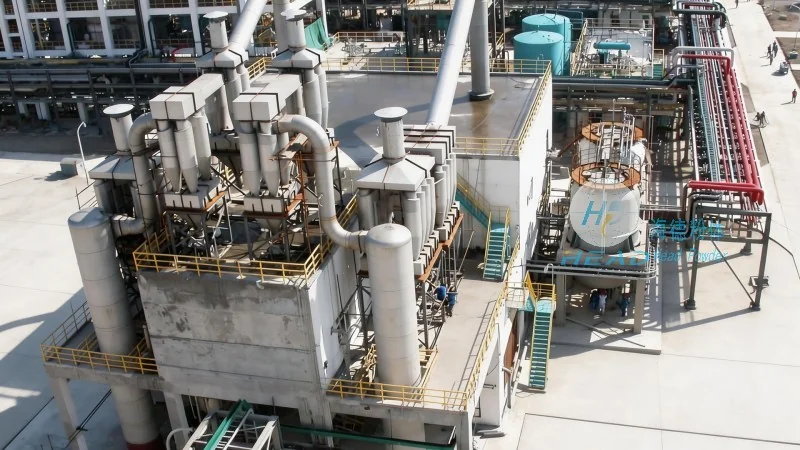
Customization and Integration with Automation Systems
HeadPowder specializes in providing customized pneumatic conveying solutions tailored to the specific needs of each client. The company’s engineers work closely with customers to understand their operational requirements, material characteristics, and space constraints to design a system that maximizes efficiency and minimizes downtime. The systems can be integrated with advanced automation technologies, such as PLC (Programmable Logic Controller) control systems, to enable real-time monitoring and control of the conveying process. This integration allows for better process control, reduced waste, and improved overall productivity.
The customization process involves selecting the appropriate conveying method (positive or negative pressure), determining the optimal pipe diameter and length, and choosing the right components based on the material properties. HeadPowder’s team of experts conducts thorough material testing and system simulations to ensure that the designed system meets all the required specifications before manufacturing begins. This approach ensures that the final product is reliable, efficient, and cost-effective, providing long-term value to the customer.
Conclusion and Future Developments
Automatic powder bulk material pneumatic conveying lines are essential components in modern industrial operations, offering a reliable and efficient solution for bulk material handling. The design principles and components of these systems are continuously evolving to meet the increasing demands for automation, hygiene, and sustainability in various industries. As technology advances, we can expect to see further innovations in pneumatic conveying systems, such as the integration of AI and machine learning for predictive maintenance and process optimization. However, the core principles of using air pressure to transport materials remain fundamental, and the focus will continue to be on improving efficiency, reducing costs, and enhancing safety in industrial applications.