

What is a Rapid Loading Powder Pneumatic Conveying Machine? What Are Its Design Principles?
Understanding the rapid loading powder pneumatic conveying machine and its design principles is crucial for industries that handle bulk powders efficiently. This equipment plays a vital role in transporting dry powders, granules, and other particulate materials over short to medium distances, offering a flexible and efficient solution for material handling needs.
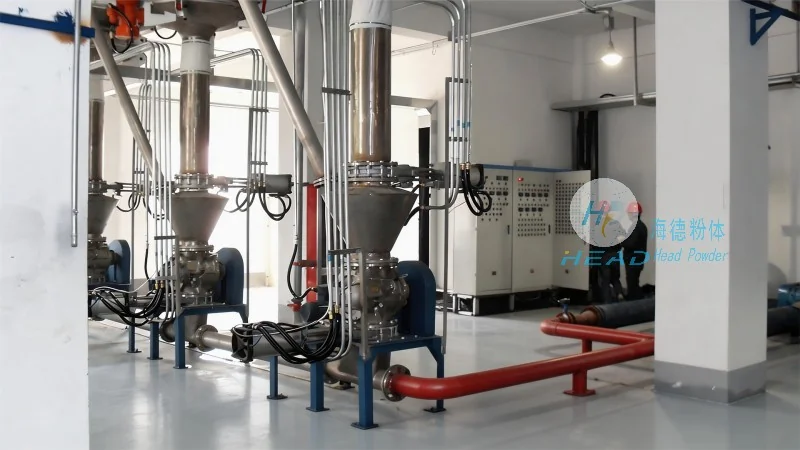
Introduction to Rapid Loading Powder Pneumatic Conveying Machines
A rapid loading powder pneumatic conveying machine is a specialized system designed to transport bulk powders using air as the conveying medium. Unlike traditional mechanical conveyors, this technology relies on the force of compressed air to move materials through a pipeline network. The system typically consists of a hopper, a blower or air compressor, a conveying line, and a discharge point. The primary advantage of this equipment lies in its ability to handle a wide range of powder characteristics, including fine powders, cohesive materials, and even materials that are prone to caking or agglomeration.
Key Design Principles of Rapid Loading Systems
The design of a rapid loading powder pneumatic conveying machine is centered around several critical principles to ensure optimal performance and efficiency. First, the system must maintain a consistent air flow rate to prevent material settling or blockages in the pipeline. This is achieved through the use of high-efficiency blowers or air compressors that can deliver sufficient pressure and volume to move the material effectively. Second, the conveying line is designed with smooth, corrosion-resistant materials to minimize friction and ensure that the powder flows freely without sticking to the walls. The diameter and length of the pipeline are carefully calculated based on the material's properties, such as particle size, density, and moisture content, to determine the appropriate air velocity required for reliable transport.
Third, the system incorporates a hopper with a feeding mechanism that allows for rapid and controlled loading of the powder. The hopper is often equipped with a rotary valve or a gate valve to regulate the flow of material into the conveying line, preventing overloading and ensuring a steady supply of powder to the blower. This design feature is particularly important for rapid loading applications, as it enables the system to handle high throughput rates without compromising the quality of the material being transported. Additionally, the discharge point is designed to minimize material loss and ensure that the powder is delivered to the intended destination without any degradation or contamination.
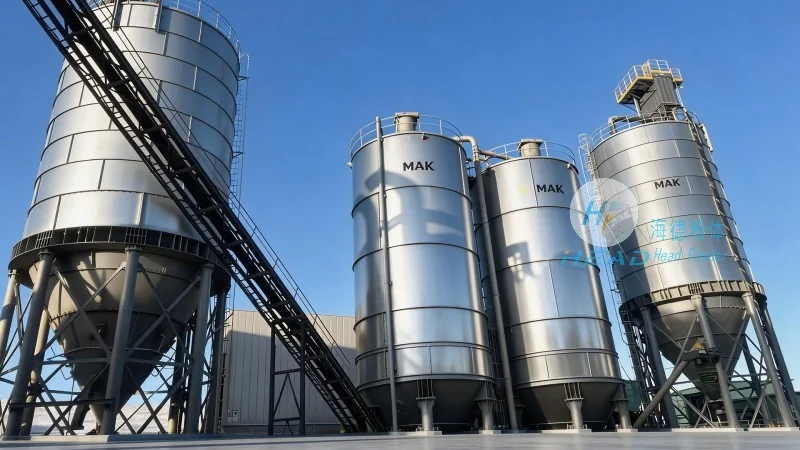
How Rapid Loading Conveying Machines Work
The operation of a rapid loading powder pneumatic conveying machine involves several steps that work in tandem to achieve efficient material transport. The process begins with the loading of the powder into the hopper. As the material is fed into the system, a rotary valve or gate valve controls the flow rate, ensuring that the correct amount of powder is introduced into the conveying line. Simultaneously, the blower or air compressor generates a high-pressure air stream that is directed into the pipeline. The air flow creates a negative pressure in the pipeline, which draws the powder particles into the air stream and propels them forward through the conveying line.
The air and powder mixture travels through the pipeline at a controlled velocity, typically ranging from 20 to 40 meters per second, depending on the material's characteristics. The design of the pipeline, including bends and elbows, is optimized to minimize pressure losses and maintain the stability of the powder-air mixture. At the discharge point, the air is separated from the powder, often using a cyclone separator or a filter, and the powder is collected in a receiving container. The separated air is then discharged back into the system or vented to the atmosphere, depending on the system's configuration.
Advantages of Rapid Loading Powder Pneumatic Conveying Machines
There are several key advantages that make rapid loading powder pneumatic conveying machines an attractive option for industries dealing with bulk powders. First, the system offers high flexibility, as it can be easily modified or expanded to accommodate changing production needs. The modular design allows for the addition of new conveying lines or hoppers without significant disruption to the existing system. Second, the equipment provides a clean and hygienic method of material transport, as it eliminates the need for physical contact between the material and the conveyor components. This is particularly important for food, pharmaceutical, and chemical industries where contamination control is critical.
Third, rapid loading systems are highly efficient in terms of energy consumption. By using compressed air as the conveying medium, the system can transport large quantities of material with relatively low energy input compared to traditional mechanical conveyors. The high air velocity and efficient pipeline design ensure that the material is moved quickly and with minimal energy loss. Additionally, the system reduces labor costs by automating the material handling process, as it eliminates the need for manual loading and unloading of bulk materials.
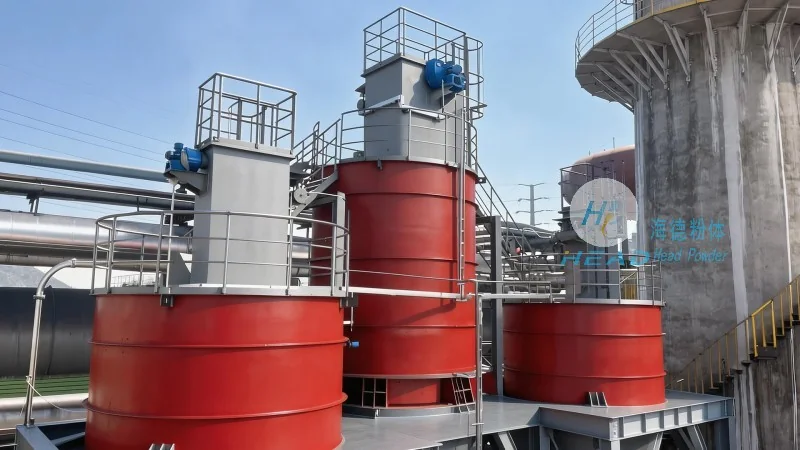
Applications of Rapid Loading Powder Pneumatic Conveying Machines
Rapid loading powder pneumatic conveying machines are widely used in various industries that require the efficient transport of bulk powders. Some common applications include the food and beverage industry, where they are used to transport ingredients such as flour, sugar, and spices. In the pharmaceutical industry, these systems are used to handle active pharmaceutical ingredients (APIs) and other sensitive materials, ensuring that the powder is transported without degradation or contamination. The chemical industry also utilizes rapid loading conveyors to transport raw materials and finished products, such as powders used in the production of plastics, paints, and coatings.
In the agricultural sector, rapid loading systems are used to transport grain, feed, and other agricultural products from storage silos to processing facilities. The equipment is also used in the mining industry to transport ore and other minerals from mining sites to processing plants. Overall, the versatility and efficiency of rapid loading powder pneumatic conveying machines make them a preferred choice for industries that require reliable and cost-effective material handling solutions.
Conclusion
Understanding the design principles and operation of a rapid loading powder pneumatic conveying machine is essential for optimizing material handling processes in various industries. The system's ability to transport bulk powders efficiently and reliably, combined with its flexibility and hygienic design, makes it an ideal solution for a wide range of applications. As industries continue to demand higher productivity and better material handling solutions, the importance of these systems will only grow. By leveraging the expertise of companies like Shandong HeadPowder Engineering Co., Ltd., industries can ensure that they have access to high-quality, reliable equipment that meets their specific material handling needs.