

What is a Color Masterbatch Material Pneumatic Conveying Equipment? And What Are Its Design Principl
For businesses in the plastic manufacturing industry, the efficient handling of color masterbatch materials is crucial for maintaining production quality and operational efficiency. Pneumatic conveying systems have emerged as a reliable solution for transporting these materials, offering advantages such as dust-free operation, reduced labor costs, and enhanced safety. This article explores the concept of color masterbatch material pneumatic conveying equipment and delves into its underlying design principles, providing insights into how these systems optimize material handling processes. HeadPowder, a leading manufacturer of material handling solutions, specializes in designing and supplying pneumatic conveying systems tailored to the unique needs of the plastic industry.
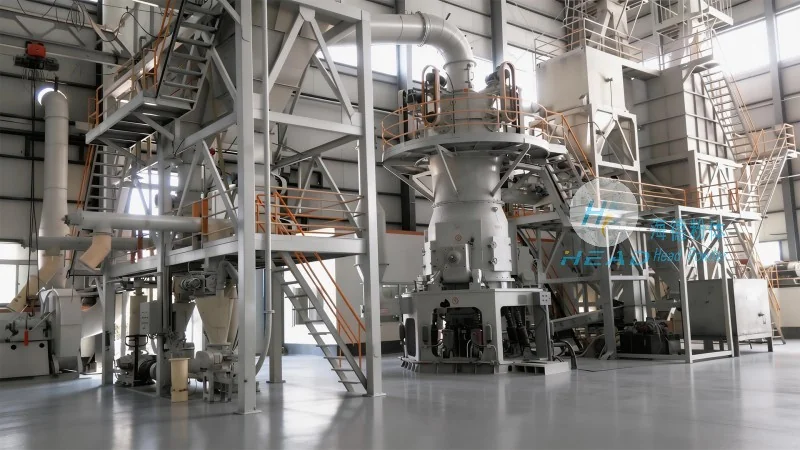
Introduction to Color Masterbatch Material Pneumatic Conveying
Color masterbatch is a concentrated form of pigment or dye, typically used to add color to polymers during the plastic manufacturing process. These masterbatches are often in the form of pellets or granules, requiring specialized equipment to transport them from storage to processing units. Pneumatic conveying equipment utilizes air or gas to move these materials through a pipeline network, eliminating the need for manual handling and reducing the risk of contamination or material loss.
Key Components of Pneumatic Conveying Systems
At the core of any pneumatic conveying system are several key components that work in tandem to ensure smooth material transport. These components include the material hopper or feeder, which holds the color masterbatch and controls the flow rate; the air or gas source, typically a blower or compressor, which provides the necessary pressure to move the material; the conveying line, which consists of pipes and fittings that guide the material and air; and the receiver or discharge hopper, where the material is deposited at the destination. Each component plays a critical role in the overall performance and efficiency of the system.
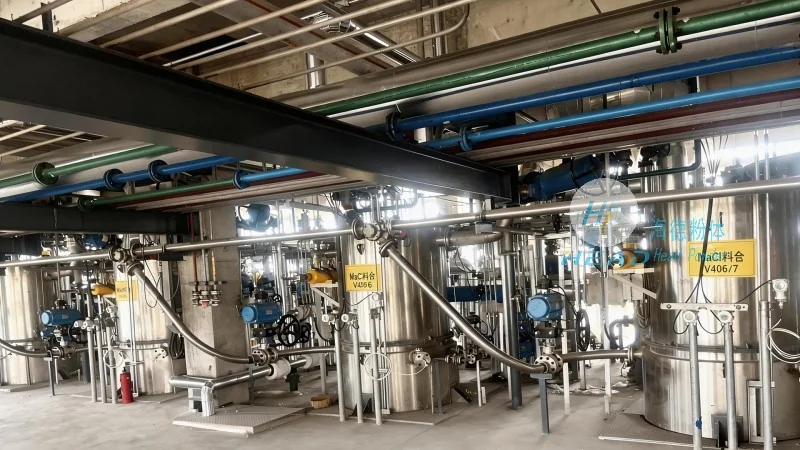
Design Principles for Efficient Material Transport
The design of a pneumatic conveying system for color masterbatch materials must consider several factors to ensure optimal performance. One of the primary design principles is the selection of the appropriate conveying method, which can be classified as pressure or vacuum systems. Pressure systems use positive pressure to push the material through the pipeline, while vacuum systems use negative pressure to pull the material. The choice between these methods depends on factors such as the distance to be covered, the material's properties (e.g., density, particle size), and the desired flow rate. Additionally, the system's design must account for the material's flow characteristics, including its bulk density, angle of repose, and cohesive properties, to prevent blockages or uneven flow.
Advantages of Pneumatic Conveying for Color Masterbatch Handling
Implementing a pneumatic conveying system for color masterbatch materials offers numerous benefits that enhance overall production operations. First, it provides a dust-free environment, which is essential for maintaining product quality and worker safety. Unlike traditional methods such as bucket elevators or belt conveyors, pneumatic systems minimize the generation of dust, reducing the risk of respiratory issues and contamination. Second, these systems reduce labor costs by automating the material handling process, eliminating the need for manual loading and unloading. This automation also increases production throughput, as materials can be transported continuously without interruptions. HeadPowder's pneumatic conveying systems are engineered to deliver these advantages, ensuring that clients achieve optimal performance and efficiency in their production lines.
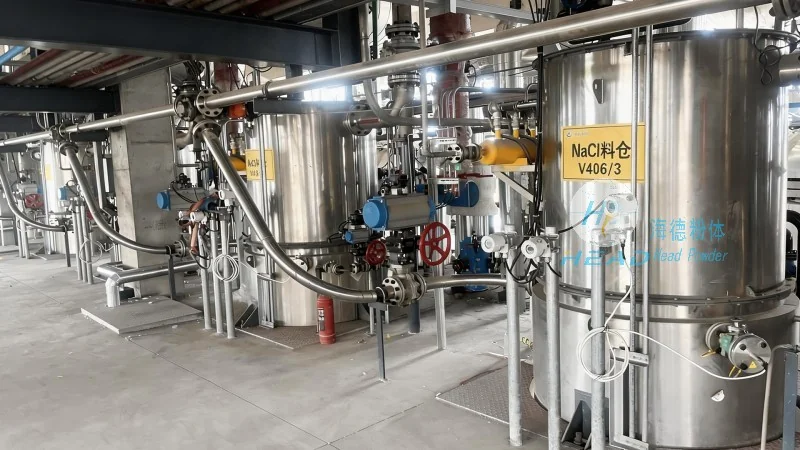
Application of Pneumatic Conveying in Plastic Manufacturing
In the plastic manufacturing industry, color masterbatch materials are commonly used in the production of various products, including packaging films, plastic containers, and automotive parts. The efficient transport of these materials is critical to ensuring consistent coloration and uniformity in the final products. Pneumatic conveying systems are particularly well-suited for this application due to their ability to handle fine powders and granules without degradation. For example, in the production of polyethylene films, color masterbatch is added to the polymer melt to achieve the desired color. The pneumatic system transports the masterbatch from storage to the mixing unit, where it is incorporated into the melt. This process ensures that the color is evenly distributed throughout the material, resulting in high-quality products.
Considerations for Selecting a Pneumatic Conveying System
When selecting a pneumatic conveying system for color masterbatch handling, several factors must be considered to ensure the system meets the specific needs of the operation. First, the system's capacity must be matched to the production requirements. The conveying rate should be sufficient to handle the volume of masterbatch needed for the production schedule, without causing bottlenecks or overloading the system. Second, the system's design must account for the material's properties, such as its particle size and moisture content, to prevent blockages or degradation. For example, materials with high moisture content may require additional drying steps to prevent caking in the conveying line. Third, the system's maintenance requirements should be considered, as regular maintenance is essential to ensure optimal performance and longevity. A well-designed system with easy access to components can reduce downtime and maintenance costs.