

[Pneumatic Conveying Equipment for Silica Fume: What It Is and Its Design Principles]
When it comes to handling and transporting silica fume material efficiently, the choice of equipment plays a crucial role in ensuring smooth operations and maintaining product quality. Pneumatic conveying systems have emerged as a preferred solution for many industries due to their ability to transport dry powders like silica fume with precision and minimal contamination. This article delves into the specifics of pneumatic conveying equipment designed for silica fume, exploring its design principles and the technical aspects that make it an effective choice for material handling.
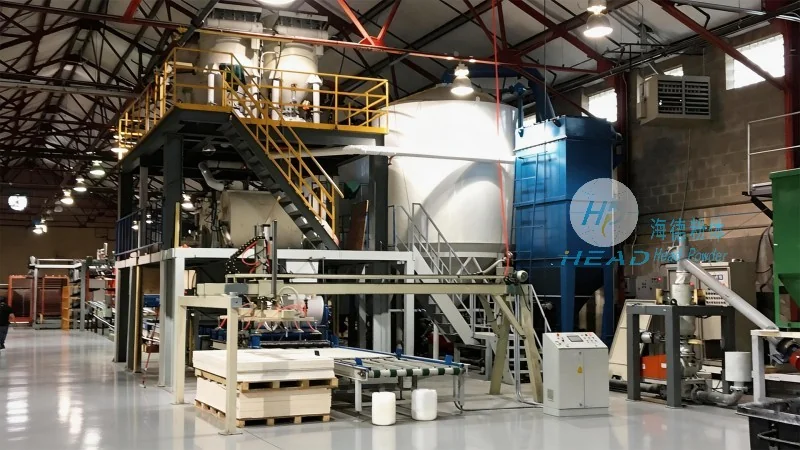
Introduction to Silica Fume Pneumatic Conveying Equipment
Silica fume, also known as microsilica, is a byproduct of silicon metal or ferrosilicon production. It is a fine, highly reactive powder with a high surface area, making it valuable in various applications such as concrete additives, refractory materials, and chemical processes. The challenge in handling silica fume lies in its fine particle size and tendency to agglomerate, which can lead to blockages and inefficient transport if not managed properly. Pneumatic conveying equipment addresses these challenges by utilizing air or other gases to move the material through a closed system, ensuring consistent flow and preventing product degradation.
About HeadPowder: A Leading Provider of Material Handling Solutions
HeadPowder, a division of Shandong HeadPowder Engineering Co., Ltd., is a reputable company based in China specializing in the design, manufacturing, and supply of advanced material handling equipment. With a strong commitment to innovation and quality, HeadPowder has established itself as a trusted partner for industries requiring reliable solutions for transporting bulk materials. The company's expertise lies in customizing pneumatic conveying systems to meet the unique needs of clients, ensuring optimal performance and durability in demanding environments. HeadPowder's facilities are located in Shandong, China, where the company leverages local resources and industry expertise to deliver high-quality products and services.
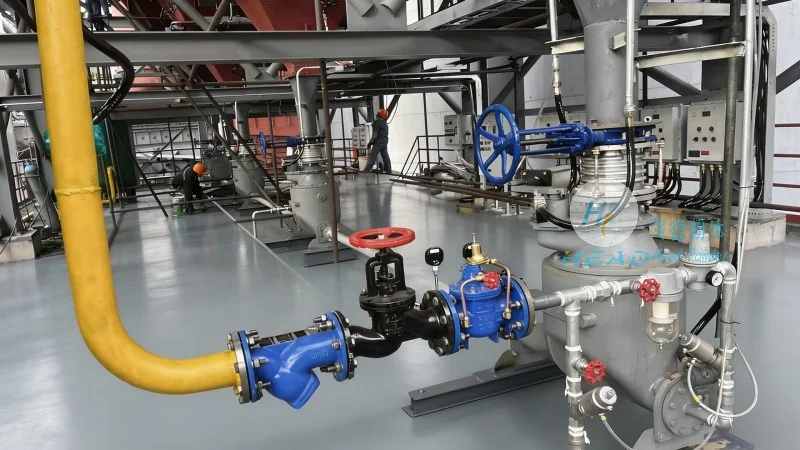
Design Principles of Pneumatic Conveying Equipment for Silica Fume
The design of pneumatic conveying equipment for silica fume is based on several key principles that ensure efficient and safe material transport. The primary design principle is the use of a positive pressure or negative pressure system to move the material through the conveying line. Positive pressure systems, also known as pressure conveying, use a blower or compressor to generate air pressure that pushes the material forward. Negative pressure systems, or vacuum conveying, use a vacuum pump to create a pressure differential that draws the material into the system. For silica fume, which is often sensitive to moisture and contamination, positive pressure systems are commonly preferred as they minimize exposure to external elements and reduce the risk of product degradation.
A critical component of the design is the feeding system, which is responsible for introducing the silica fume into the conveying line. The feeding system typically includes a hopper, a feeder (such as a rotary valve or screw feeder), and a pre-separation device to remove any large particles or debris that could cause blockages. The hopper is designed to store the material and provide a consistent feed rate, while the feeder ensures a controlled and steady flow into the conveying line. Pre-separation devices, such as cyclones or screens, help to filter out oversized particles, protecting the downstream equipment from damage and ensuring smooth operation.
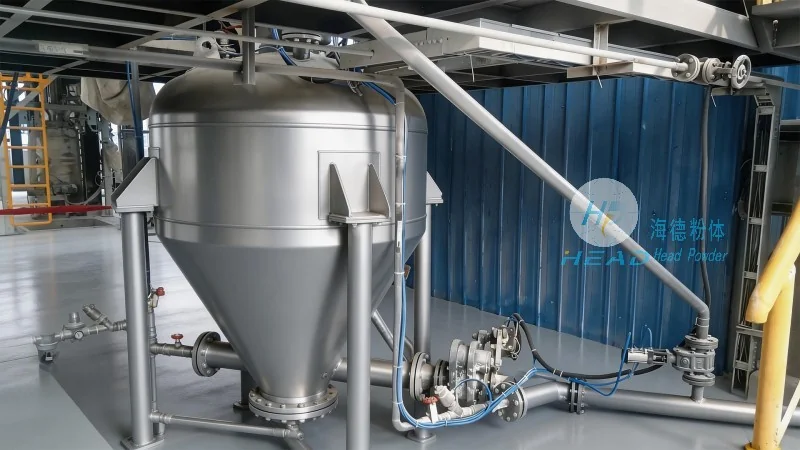
The conveying line itself is another key design element. It is typically made of stainless steel or other corrosion-resistant materials to withstand the abrasive nature of silica fume and prevent material buildup. The line is equipped with bends, elbows, and straight sections that are carefully designed to minimize pressure losses and maintain the velocity of the material-air mixture. The diameter and length of the conveying line are determined based on the material's properties, such as particle size, density, and flowability, as well as the required conveying distance and capacity. Proper design of the conveying line ensures that the material remains suspended in the air stream, preventing settling and blockages.
The separation system is a crucial part of the design, responsible for separating the silica fume from the air at the end of the conveying process. This is typically achieved using a cyclone separator or a baghouse filter. The cyclone separator uses centrifugal force to separate the particles from the air, while the baghouse filter uses fabric bags to trap the particles. The separated material is then collected in a hopper or container, and the clean air is discharged back into the environment or recirculated if necessary. The design of the separation system is critical to ensure high efficiency in capturing the silica fume and minimizing dust emissions, which is important for environmental compliance and worker safety.
Key Features and Advantages of Silica Fume Pneumatic Conveying Equipment
HeadPowder's pneumatic conveying equipment for silica fume offers several advantages that make it a preferred choice for industries. One of the key features is its ability to handle fine powders with high efficiency, ensuring that the material is transported without degradation or loss. The equipment is designed to minimize product contamination, which is essential for applications where the quality of silica fume is critical, such as in concrete production. Another advantage is its flexibility, as the system can be customized to meet the specific requirements of different clients, including varying conveying capacities and distances.
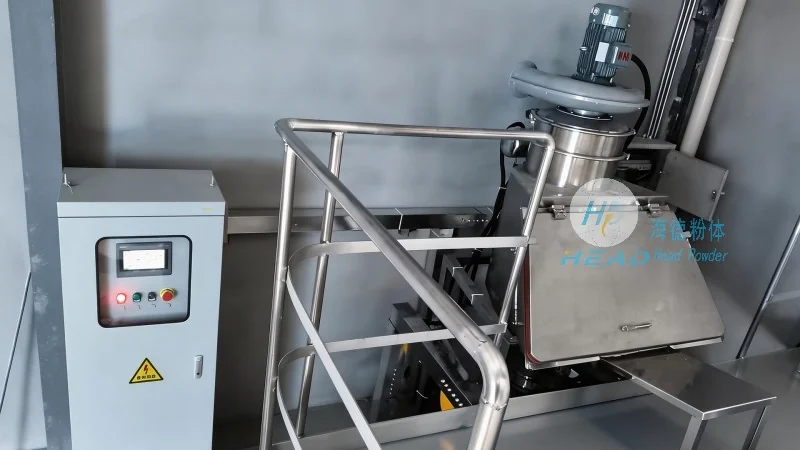
The equipment is also designed for durability and low maintenance. The use of high-quality materials and robust construction ensures that the system can withstand the abrasive nature of silica fume and operate reliably over long periods. The feeding and separation systems are designed to minimize wear and tear, reducing the need for frequent maintenance and increasing the overall lifespan of the equipment. Additionally, the system is equipped with safety features, such as pressure relief valves and dust collection systems, to ensure safe operation and compliance with environmental regulations.
Conclusion
Pneumatic conveying equipment for silica fume is a sophisticated solution that addresses the challenges of handling fine, reactive powders. The design principles, including the use of positive pressure systems, efficient feeding and separation mechanisms, and robust construction, ensure that the equipment can transport silica fume with high efficiency and minimal contamination. HeadPowder, with its expertise and commitment to quality, provides reliable and customized solutions for industries requiring effective material handling systems. By understanding the design principles and features of pneumatic conveying equipment, businesses can make informed decisions to improve their material handling processes and enhance overall operational efficiency.