HeadPowder, a leading engineering company based in Shandong, China, specializes in the design and implementation of efficient material conveying systems tailored for the cereal industry. This article delves into the fundamental principles governing cereal material conveying and highlights the key characteristics of working environments where such systems are deployed.
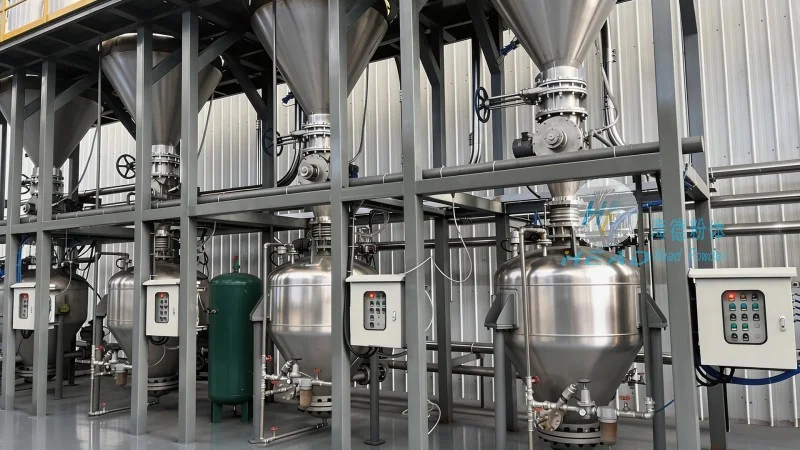
Understanding the Core Principles of Cereal Material Conveying
The process of cereal material conveying involves the movement of bulk materials such as oats, wheat, corn, and other grains from one location to another within a processing facility. The primary goal is to ensure smooth, reliable, and hygienic transfer of these materials while maintaining product integrity. Several key principles underpin the design and operation of effective conveying systems:
Firstly, the selection of appropriate conveying equipment is critical. Different types of conveyors, including screw conveyors, belt conveyors, pneumatic conveyors, and bucket elevators, are chosen based on the specific characteristics of the cereal material—such as particle size, moisture content, and bulk density. For instance, screw conveyors are well-suited for handling free-flowing, dry cereals due to their ability to mix and transport materials without the need for external power beyond the rotating screw. In contrast, pneumatic conveyors are ideal for transporting fine powders or dusty materials, as they use air pressure to move particles through a pipeline system.
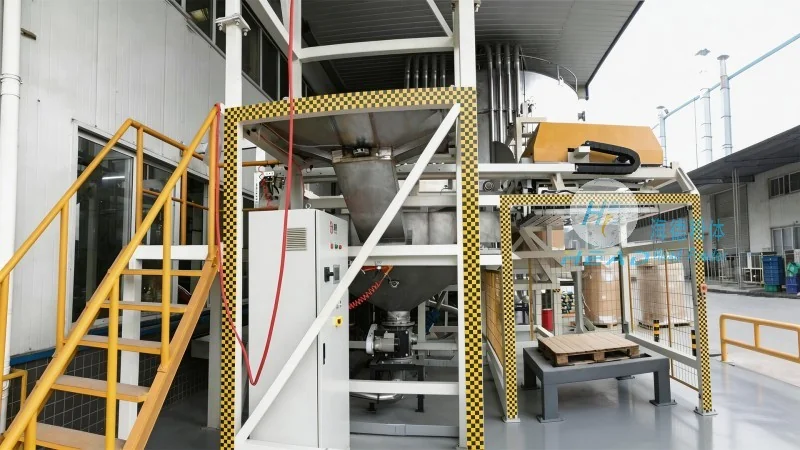
Secondly, the design of the conveying system must consider the flow characteristics of the material. This includes analyzing factors like the angle of repose, which determines how the material will behave when stored or conveyed, and the coefficient of friction between the material and the conveyor surface. Proper system design ensures that the material moves smoothly without causing blockages or excessive wear on the equipment. For example, in the case of high-moisture cereals, the risk of caking or sticking increases, necessitating the use of conveyors with smooth surfaces or additional cleaning mechanisms.
Thirdly, the integration of control systems plays a vital role in optimizing the conveying process. Modern conveying systems often incorporate sensors and automation technologies to monitor flow rates, detect blockages, and adjust operational parameters in real-time. This not only enhances efficiency but also minimizes downtime and reduces the risk of product contamination. For instance, a conveyor system equipped with a level sensor can automatically adjust the feed rate to prevent overloading, thereby maintaining consistent material flow.
Key Working Scene Characteristics of Cereal Material Conveying Systems
The working environments where cereal material conveying systems are applied exhibit distinct characteristics that influence system design and performance. These environments are typically found in large-scale food processing plants, grain storage facilities, and agricultural processing centers. Understanding these characteristics is essential for selecting the most suitable conveying solutions.
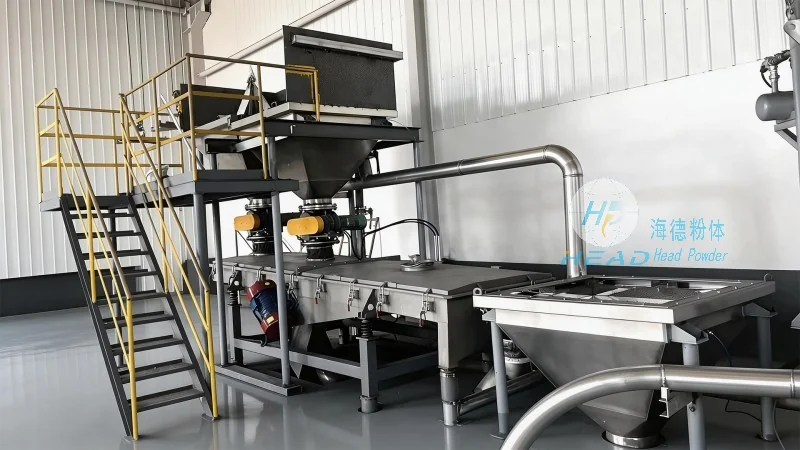
One of the primary characteristics is the scale of operations. In large-scale processing facilities, the volume of material to be conveyed can be substantial, requiring high-capacity conveyors capable of handling thousands of tons per hour. The design of such systems often involves multiple conveyor sections connected in series or parallel to achieve the required throughput. For example, in a cereal processing plant, a primary conveyor may transport raw grains from storage silos to a cleaning and grading area, while secondary conveyors distribute the cleaned grains to various processing lines.
Another critical characteristic is the need for hygiene and sanitation. Cereal products are consumed directly by humans, making it imperative that the conveying systems meet stringent food safety standards. This includes the use of materials that are non-toxic, easy to clean, and resistant to corrosion. Stainless steel is commonly used for conveyor components due to its durability and hygienic properties. Additionally, the system design must allow for easy disassembly and cleaning to prevent the accumulation of contaminants or product residues.
Environmental conditions also play a significant role in the working scenes. Many cereal processing facilities operate in environments with varying temperatures and humidity levels. The conveying equipment must be designed to withstand these conditions without compromising performance. For instance, in regions with high humidity, the risk of moisture absorption by the cereal material increases, which can lead to spoilage. Therefore, the system may include drying or dehumidification components to maintain optimal material conditions.
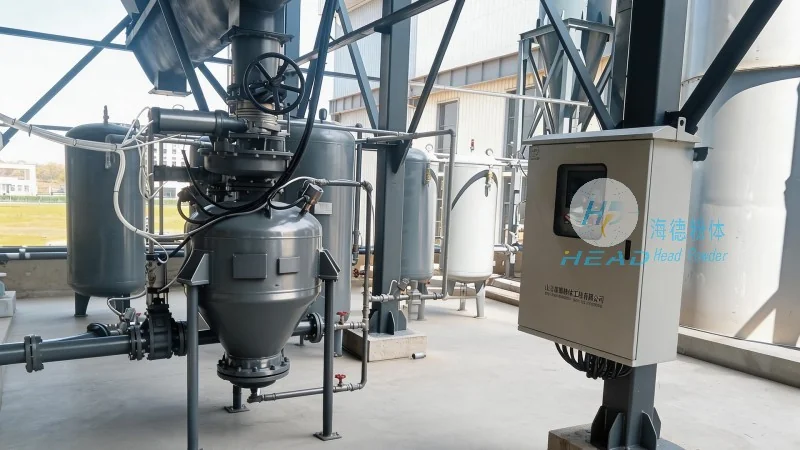
Operational efficiency and reliability are also key considerations in working scenes. The conveying system must operate continuously with minimal maintenance and downtime. This requires the use of robust components and regular maintenance schedules. For example, the bearings and seals in conveyor systems are critical components that need to be inspected and replaced periodically to prevent failures. Furthermore, the system may incorporate redundancy features, such as backup power supplies or alternative conveyor paths, to ensure continuous operation in case of equipment failure.
Conclusion: The Role of HeadPowder in Cereal Material Conveying Solutions
HeadPowder Engineering Co., Ltd., with its headquarters in Shandong, China, offers comprehensive solutions for cereal material conveying, leveraging its expertise in engineering and material handling. By adhering to the core principles of efficient material transfer and understanding the unique characteristics of working environments, HeadPowder designs and implements systems that enhance productivity, ensure product quality, and meet industry standards. Whether for large-scale processing facilities or smaller agricultural operations, HeadPowder's conveying solutions are tailored to meet the specific needs of the cereal industry, providing reliable and effective material handling solutions.




