Exploring the principles and operational characteristics of polyethylene material handling is essential for optimizing industrial workflows across diverse sectors. This article delves into the fundamental mechanisms governing the transport of polyethylene materials, alongside the distinct working environments where such systems are commonly deployed. The insights provided aim to enhance operational efficiency and offer a comprehensive understanding of how polyethylene materials are effectively managed in industrial settings.
Introduction to Polyethylene Material Handling Systems
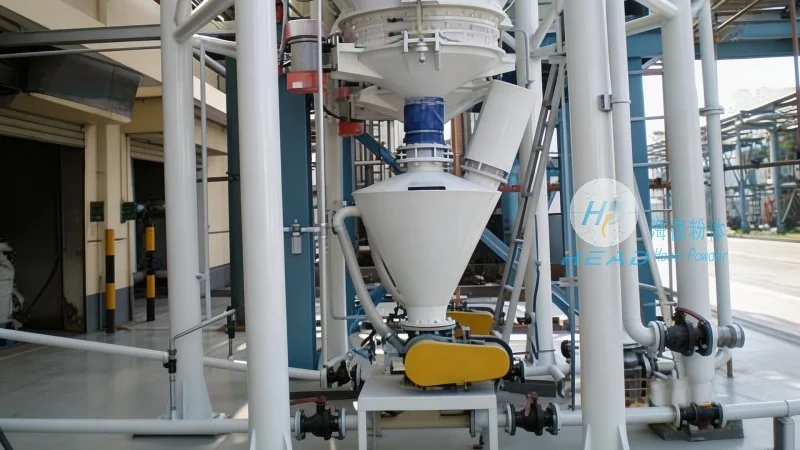
Polyethylene (PE) is a widely utilized thermoplastic polymer recognized for its flexibility, chemical resistance, and durability. In industrial applications, polyethylene materials often require specialized handling and transport solutions due to their physical attributes, such as low density, high molecular weight, and propensity for dust or particle formation. Material handling systems designed for polyethylene ensure safe, efficient, and reliable movement of these materials from storage to processing or packaging stages. The core principles of polyethylene material handling revolve around equipment selection, system design, and operational strategies tailored to the unique characteristics of PE materials.
Key Principles of Polyethylene Material Transport
The primary principle of polyethylene material handling is to preserve the integrity and quality of the material while ensuring smooth and continuous transport. This involves several critical factors, including equipment choice, system configuration, and control mechanisms. For instance, polyethylene materials are typically handled using bulk material handling equipment like screw conveyors, belt conveyors, and pneumatic conveying systems. Each type of equipment operates based on specific physical principles that address the challenges posed by polyethylene, such as its tendency to stick to surfaces or form agglomerates. The selection of the appropriate conveying method depends on factors like material flow rate, particle size, and the required transport distance. Additionally, the design of the system must consider potential material degradation, such as heat buildup or mechanical stress, which could affect the properties of polyethylene.
Working Scene Characteristics of Polyethylene Material Handling
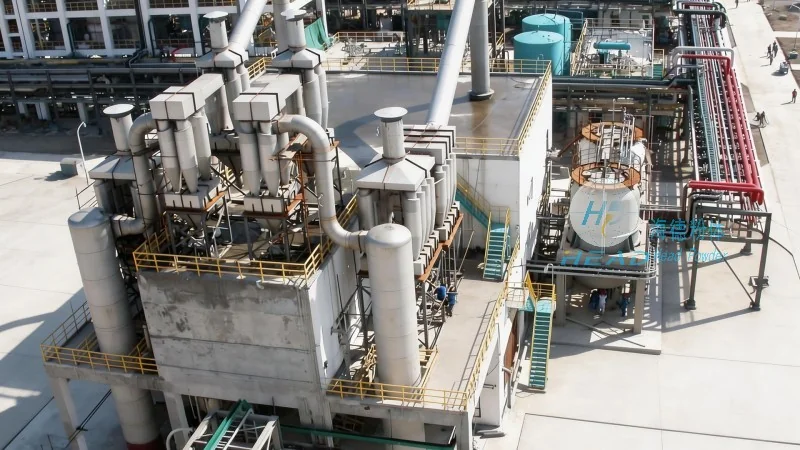
Polyethylene material handling systems are employed in diverse working scenarios across multiple industries. These scenarios vary based on the application, scale of operation, and environmental conditions. For example, in the chemical industry, polyethylene is used in the production of plastics and resins, and material handling systems are integrated into large-scale manufacturing plants. The working scene here involves high-volume transport of raw polyethylene pellets or granules from storage silos to extrusion lines. The systems must handle large quantities efficiently while maintaining product purity and preventing contamination. In the food and beverage industry, polyethylene packaging materials are handled in packaging lines, where the focus is on gentle handling to avoid damage to the packaging film or bags. The working scene includes conveyor systems that transport polyethylene films or bags at controlled speeds, ensuring minimal stretching or tearing. Similarly, in the pharmaceutical industry, polyethylene containers and packaging are handled with strict hygiene and contamination control measures. The working scene involves cleanroom environments where polyethylene materials are transported using sterile conveyor systems to maintain product safety and regulatory compliance.
Equipment and Technology in Polyethylene Material Handling
The effectiveness of polyethylene material handling is significantly influenced by the equipment and technology used. Modern material handling systems for polyethylene often incorporate advanced features such as variable speed drives, sensors for level and flow monitoring, and automated control systems. These technologies enhance precision and reliability of material transport. For instance, screw conveyors are commonly used for vertical and horizontal transport of polyethylene powders or granules. The design of the screw, including its pitch and diameter, is optimized to prevent material bridging and ensure smooth flow. Belt conveyors are suitable for transporting larger polyethylene pieces or sheets, where the belt material and tension are selected to handle the load without slippage or damage. Pneumatic conveying systems are employed for fine polyethylene powders, where air pressure is used to move the material through pipes. The choice of conveying method depends on the specific characteristics of the polyethylene material, such as its particle size, moisture content, and flowability. Additionally, the integration of sensors and control systems allows for real-time monitoring of the material flow, enabling quick adjustments to maintain optimal performance.
Operational Considerations and Best Practices
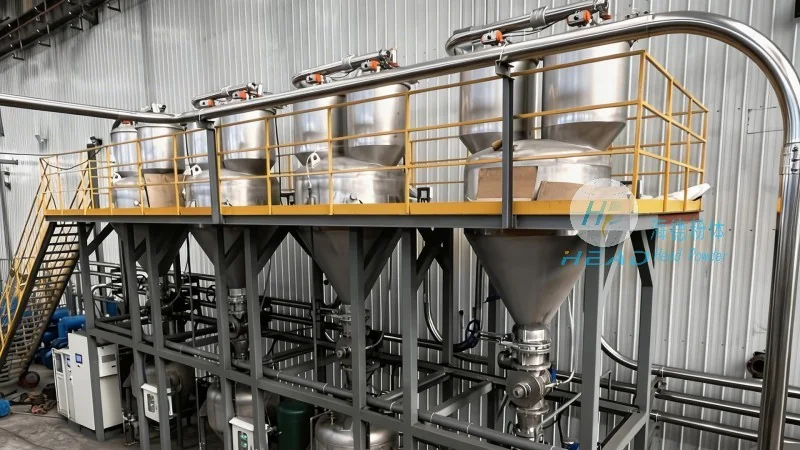
Effective polyethylene material handling requires adherence to specific operational considerations and best practices to ensure efficiency and safety. One key consideration is the prevention of material degradation during transport. This involves controlling temperature and mechanical stress to avoid changes in the polyethylene's physical properties. For example, in high-temperature applications, cooling systems may be integrated into the conveyor to prevent overheating of the polyethylene. Another consideration is the prevention of dust and particle generation, which can affect air quality and pose health risks. Proper sealing and dust collection systems are essential in polyethylene material handling to maintain a clean working environment. Additionally, regular maintenance of the equipment is crucial to ensure consistent performance. This includes cleaning conveyor belts, lubricating moving parts, and inspecting for wear and tear. Proper maintenance not only extends the lifespan of the equipment but also minimizes downtime and ensures smooth operation. Furthermore, training operators on the proper handling of polyethylene materials is vital to prevent accidents and ensure compliance with safety regulations. Operators should be aware of potential hazards associated with polyethylene, such as dust explosions or material sticking to equipment, and know how to respond appropriately.
Conclusion
In conclusion, the principles and working scene characteristics of polyethylene material handling are essential for optimizing industrial processes and ensuring the efficient movement of polyethylene materials. By understanding the fundamental mechanisms of polyethylene material transport and the specific requirements of different working scenarios, industries can select and implement appropriate material handling systems. The integration of advanced equipment and technology, along with adherence to operational best practices, enhances the reliability and safety of polyethylene material handling. As industrial demands continue to evolve, the importance of effective polyethylene material handling will remain critical in maintaining operational efficiency and product quality. The insights provided in this article serve as a foundation for further exploration and implementation of polyethylene material handling solutions, tailored to the unique needs of various industrial applications.




