Understanding the principles and operational characteristics of ternary lithium material handling systems is crucial for optimizing processes in lithium battery manufacturing. This article explores the core mechanisms and practical applications of these systems, offering insights into how they enhance efficiency and reliability in material handling tasks within production lines.
Core Principles of Ternary Lithium Material Handling
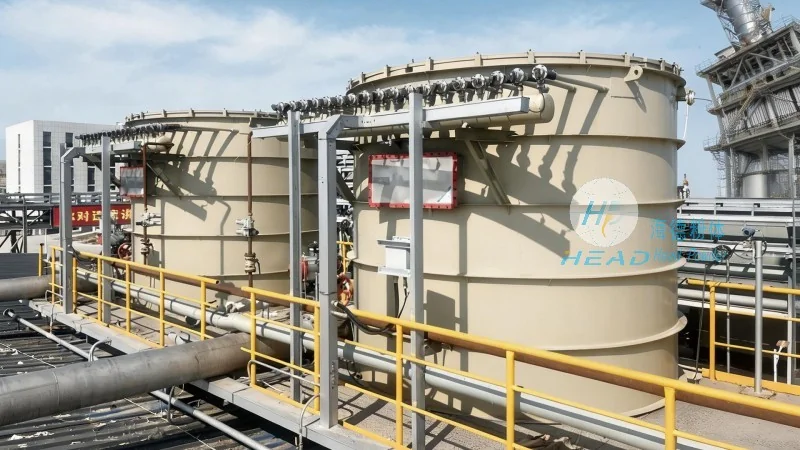
Ternary lithium material handling systems are engineered to transport and manage materials, including raw powders, intermediates, and finished products, throughout lithium battery production. The fundamental principle centers on integrating advanced mechanical and control technologies to ensure precise, safe, and efficient material movement. Key components such as conveyor systems, feeding mechanisms, and automated control units work in unison to maintain consistent material flow rates and minimize downtime.
One of the primary principles is the implementation of closed-loop control systems, which monitor and adjust the handling process in real-time. This technology allows for dynamic adjustments based on production demands, ensuring material handling aligns with the overall manufacturing schedule. Additionally, the systems utilize robust material handling equipment—like screw conveyors, belt conveyors, and pneumatic transport devices—tailored to the specific characteristics of ternary lithium compounds, such as their fine particle size and potential reactivity. These components are designed to handle the unique properties of ternary lithium materials, preventing contamination and preserving product integrity.
Working Scene Characteristics of Ternary Lithium Material Handling
The working scene characteristics of ternary lithium material handling systems are defined by the demanding requirements of lithium battery production environments. These systems operate in high-precision, high-speed manufacturing settings where even minor inefficiencies can impact product quality and output. The operational characteristics include:
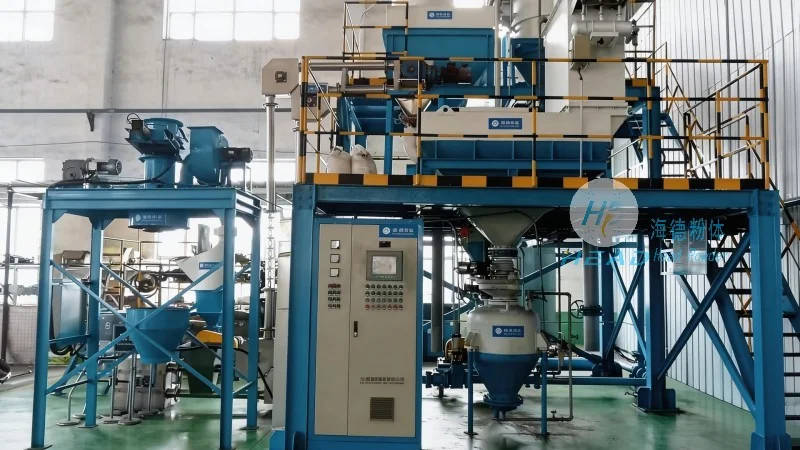
Firstly, the systems are optimized for high throughput and low maintenance. This is achieved through the use of durable materials and advanced lubrication systems that reduce wear and tear, extending the lifespan of the equipment. Secondly, the systems prioritize safety and compliance with industrial standards. This includes features like overfill protection, emergency stop mechanisms, and environmental containment measures to prevent dust or material leakage, which is critical when handling lithium compounds.
Thirdly, the working scene emphasizes flexibility and adaptability. Modern ternary lithium material handling systems are often modular, allowing for easy reconfiguration to accommodate changes in production lines or product specifications. This flexibility is essential in dynamic manufacturing environments where product lines may be adjusted or expanded. Furthermore, the systems integrate with other production equipment, such as mixing and coating machines, to create a seamless material flow from raw material input to finished product output.
Application Scenarios and Operational Efficiency
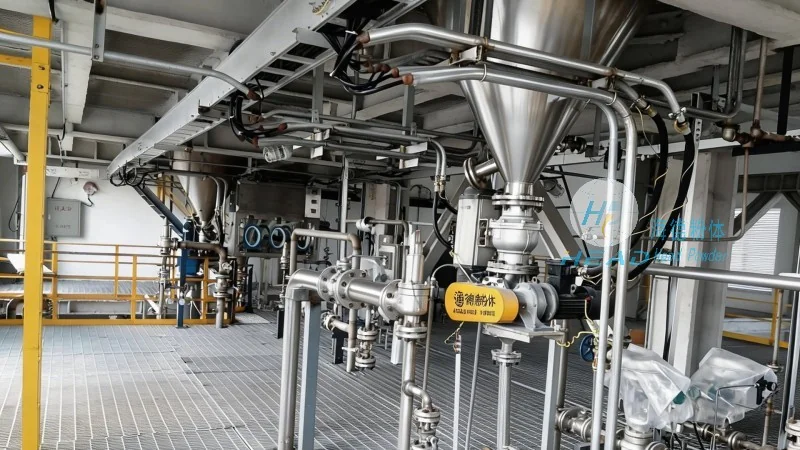
Ternary lithium material handling systems are applied across various stages of lithium battery production, from raw material processing to final product packaging. In the raw material stage, these systems handle the transport of ternary lithium powders from storage silos to mixing and coating lines. The precision of the material handling ensures consistent powder feed rates, which is vital for achieving uniform battery performance. During the intermediate processing stage, the systems manage the movement of coated electrodes and other components between production stations, maintaining a continuous production line.
In the final assembly stage, the material handling systems transport finished battery cells to packaging and quality control areas. The efficiency of these systems directly impacts the overall production cycle time, as delays in material movement can cause bottlenecks in downstream processes. The working scene characteristics, such as high-speed operation and minimal downtime, contribute to improved operational efficiency and reduced production costs.
Conclusion
Understanding the principles and working scene characteristics of ternary lithium material handling systems is essential for optimizing lithium battery manufacturing processes. By leveraging advanced control technologies and robust equipment design, these systems enhance efficiency, safety, and product quality. As the demand for lithium batteries continues to grow, the importance of reliable material handling solutions becomes increasingly critical. Companies like Shandong HeadPowder Engineering Co., Ltd., based in China, specialize in providing tailored material handling solutions that meet the specific needs of lithium battery manufacturers, ensuring seamless and efficient material flow throughout the production process.




