Activated carbon granule material handling is a critical process in various industrial applications, involving the efficient transport of activated carbon granules from one location to another. This process is essential for ensuring the smooth operation of systems that rely on activated carbon for filtration, adsorption, or other purification functions. The principles underlying this material handling process, along with the specific working scenarios where it is commonly applied, are key aspects that contribute to the effectiveness and reliability of industrial operations.
About HeadPowder: Your Trusted Partner in Material Handling Solutions
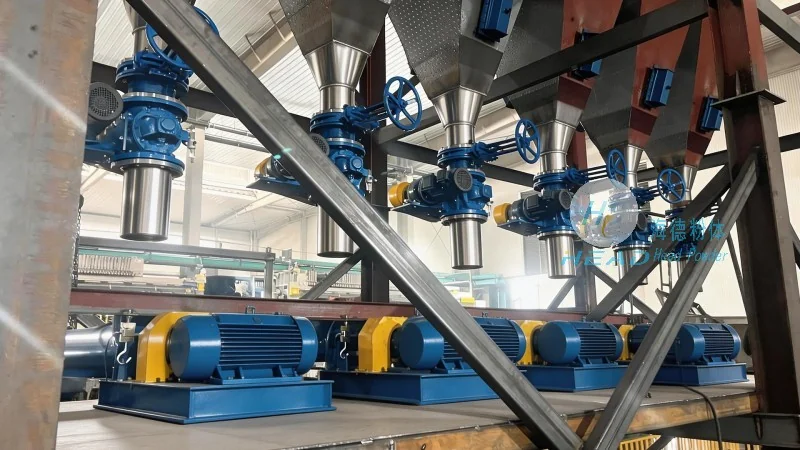
HeadPowder, a leading manufacturer in the field of material handling equipment, specializes in providing innovative solutions for the transportation of activated carbon granules and other similar materials. With a strong presence in Shandong, China, HeadPowder Engineering Co., Ltd. has established itself as a reliable supplier, delivering high-quality equipment and services tailored to meet the diverse needs of industrial clients. The company's commitment to excellence and customer satisfaction has made it a preferred choice for businesses operating in sectors such as water treatment, air purification, and chemical processing.
The Principle of Activated Carbon Granule Material Handling
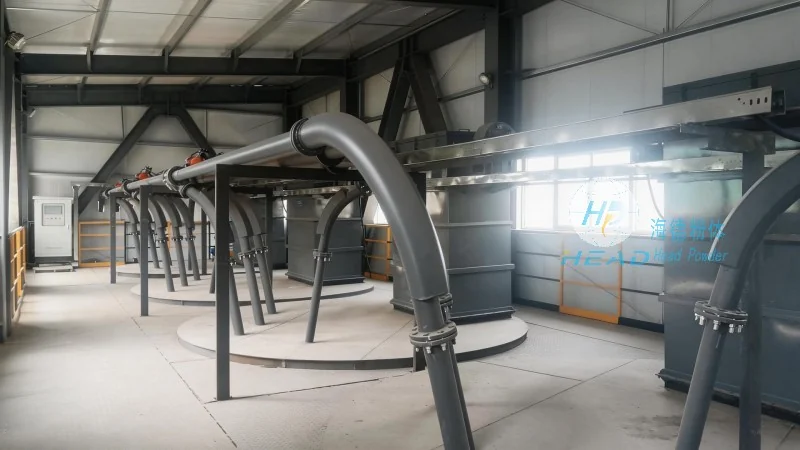
The core principle of activated carbon granule material handling revolves around the use of specialized equipment designed to handle the unique properties of activated carbon granules. These granules are typically porous and lightweight, which can pose challenges during transportation due to their tendency to dust, clog, or require gentle handling to avoid degradation. To address these challenges, material handling systems often incorporate features such as enclosed conveyors, airlocks, and controlled feeding mechanisms. The goal is to ensure that the granules are moved efficiently while maintaining their structural integrity and effectiveness as adsorbents. Key components of such systems include feed hoppers, conveyor belts or screw conveyors, and discharge mechanisms that minimize particle loss and prevent contamination. The design of these systems is optimized to handle the specific flow characteristics of activated carbon granules, ensuring consistent and reliable performance in industrial settings.
Working Scenario Characteristics of Activated Carbon Granule Material Handling
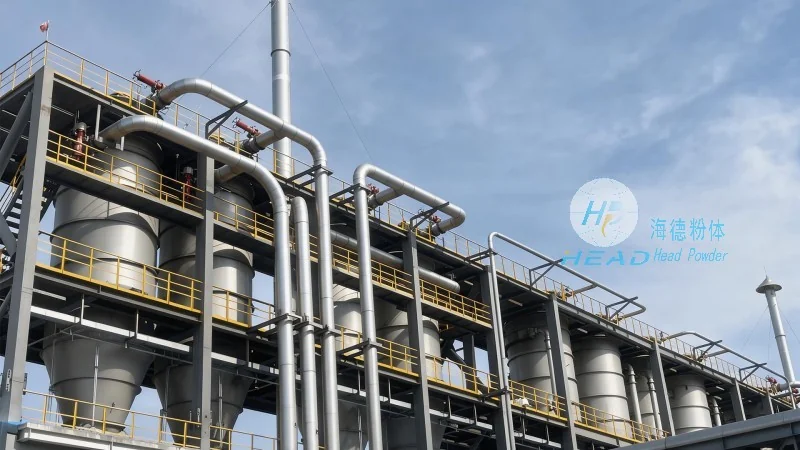
Activated carbon granule material handling is commonly employed in a variety of industrial scenarios, each with its own unique requirements and operational considerations. One of the primary applications is in water treatment facilities, where activated carbon is used to remove impurities, odors, and contaminants from water sources. In such scenarios, the material handling process involves transporting granules from storage silos to the filtration units, often over long distances and through multiple stages of the treatment process. The systems used in these applications must be robust and capable of handling large volumes of granules while maintaining high efficiency and low maintenance costs. Another common scenario is in air purification systems, particularly in industrial settings where air quality is critical, such as in pharmaceutical or food processing facilities. Here, activated carbon granules are used to adsorb volatile organic compounds (VOCs) and other air pollutants. The material handling process in these systems typically involves feeding granules into activated carbon filters or adsorption towers, where they are then removed and replaced as needed. The working scenarios also include chemical processing plants, where activated carbon is used as a catalyst or adsorbent in various chemical reactions. In these environments, the material handling systems must be able to handle potentially hazardous materials while ensuring the safety and compliance with environmental regulations. Additionally, in the context of industrial-scale production of activated carbon, the material handling process is crucial for moving raw materials and finished products within the manufacturing facility. This includes transporting raw carbon sources to processing units and then moving the finished granules to storage or shipping areas. Each of these working scenarios requires careful consideration of the material's properties, the operational environment, and the overall efficiency of the material handling system to ensure optimal performance.




