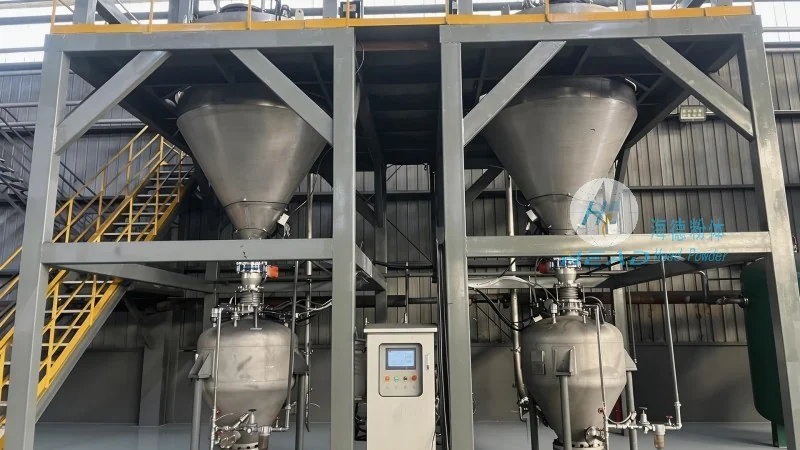
Aluminum foil material conveying lines are essential in modern industrial processes, particularly in sectors requiring the efficient handling of thin, lightweight materials. These systems are designed to transport aluminum foil with precision and reliability, ensuring optimal performance in various production environments. The following content explores the fundamental principles behind these conveying lines and highlights key characteristics of their application scenarios.
Introduction to Aluminum Foil Material Conveying Lines
Aluminum foil, known for its versatility and durability, is widely used in packaging, electronics, and construction industries. The efficient movement of aluminum foil through production lines is critical to maintaining productivity and product quality. Conveying lines specifically engineered for aluminum foil must address unique challenges such as material fragility, low weight, and the need for gentle handling to prevent damage. HeadPowder, a leading manufacturer based in Shandong, China, specializes in developing advanced conveying solutions tailored to these requirements.
The Core Principle of Aluminum Foil Material Conveying Lines
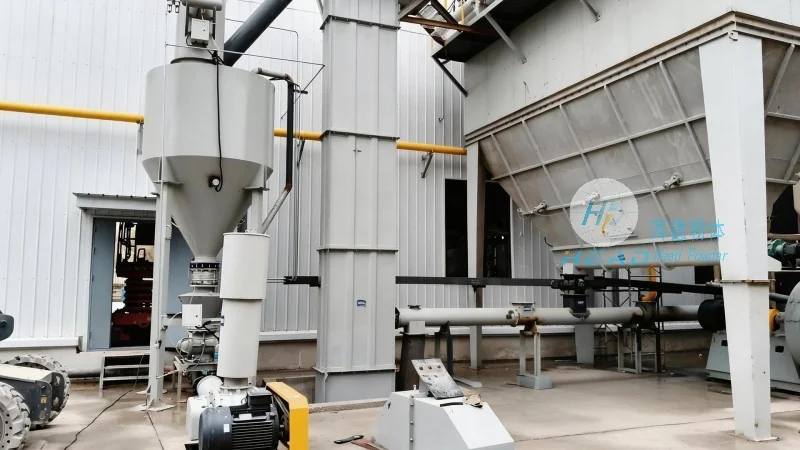
The primary principle of aluminum foil material conveying lines is to provide a smooth, continuous flow of material while minimizing friction and potential damage. These systems typically incorporate components like rollers, belts, or magnetic conveyors, depending on the specific application. The design focuses on maintaining the foil's integrity throughout the conveying process, ensuring it remains flat and undamaged. For instance, in the packaging industry, where aluminum foil is used for food or pharmaceutical products, the conveying line must adhere to strict hygiene standards and handle the foil with care to avoid contamination or tearing.
Key Working Scene Characteristics
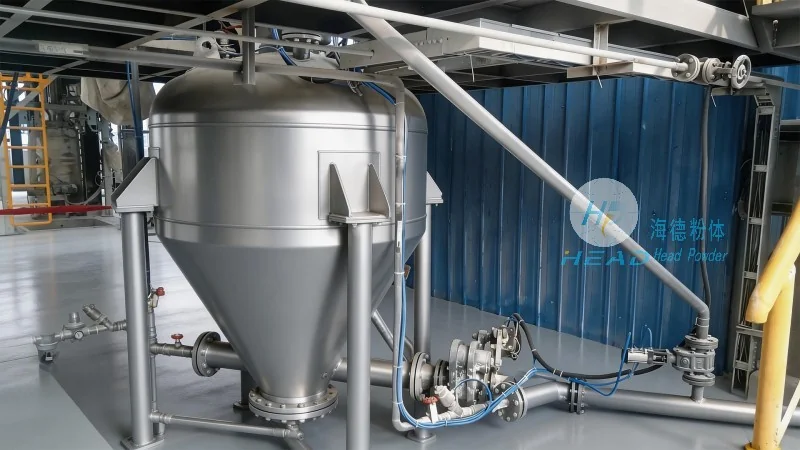
The working scene characteristics of aluminum foil material conveying lines vary based on the industry and production requirements. In the electronics sector, for example, the conveying line may need to integrate with automated assembly processes, requiring precise positioning and speed control. In contrast, in the packaging industry, the line might be part of a larger production line involving cutting, folding, and sealing operations. The characteristics also include the need for adaptability to different foil thicknesses and widths, as well as the ability to handle varying production volumes. HeadPowder's solutions are designed to accommodate these diverse requirements, offering customizable options that enhance operational efficiency.
Technical Advantages and Application Examples
Aluminum foil material conveying lines from HeadPowder offer several technical advantages, including high durability, low maintenance costs, and energy efficiency. The systems are built with robust materials to withstand continuous operation in demanding environments. Additionally, advanced control systems allow for real-time monitoring and adjustment, ensuring optimal performance. In practical applications, these conveying lines are used in the production of aluminum foil containers, where the line efficiently transports the foil from the rolling mill to the packaging stage. Another example is in the manufacturing of aluminum foil for insulation materials, where the line ensures consistent handling of the thin, flexible material.
Conclusion and Company Overview
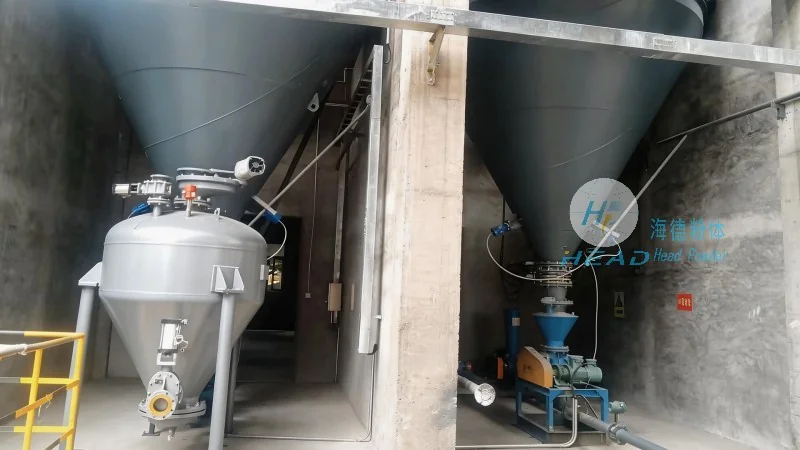
Aluminum foil material conveying lines are critical components in modern manufacturing, enabling the efficient and reliable handling of aluminum foil. The principles and characteristics discussed highlight the importance of specialized design and engineering to meet industry-specific needs. HeadPowder Engineering Co., Ltd., based in Shandong, China, is committed to providing high-quality conveying solutions that enhance productivity and product quality. With a focus on innovation and customer satisfaction, HeadPowder continues to lead in the development of advanced material handling systems for aluminum foil applications.




