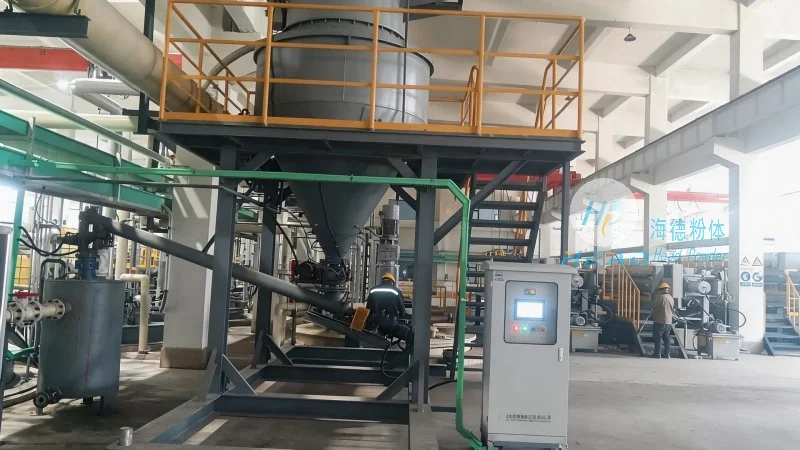
Positive-pressure dense-phase powder pneumatic conveying represents a sophisticated and efficient method for transporting bulk powders through a pressurized pipeline system. This technology is widely utilized across various industrial sectors due to its ability to handle a broad spectrum of powder characteristics while maintaining material integrity and process reliability. The core principle of this system involves injecting high-pressure air into the conveying line, which creates a dense, slug-like mixture of powder and air. This dense phase ensures stable particle suspension and minimizes the risk of segregation, agglomeration, or degradation that can occur with traditional pneumatic conveying methods. By operating under positive pressure, the system forces the powder particles to move in a controlled, low-velocity environment, which is particularly advantageous for delicate or abrasive materials.
Key Principles Underpinning the Conveying Process
The fundamental mechanism of positive-pressure dense-phase conveying relies on the creation of a high-density powder-air mixture within the pipeline. The system utilizes a positive displacement blower or compressor to generate pressure, typically ranging from 0.5 to 2.0 bar above atmospheric pressure. This pressure differential ensures that the powder particles remain suspended in the air stream without excessive wear on the system components. The air velocity within the pipeline is carefully controlled to maintain the dense phase, preventing particle separation and maintaining the material's original properties. The design of the conveying line, including pipe diameter, inclination angle, and the placement of elbows and bends, is critical to sustaining the dense phase and avoiding pressure drops or blockages. Proper system design also considers the specific characteristics of the powder being transported, such as particle size, density, moisture content, and flowability, to optimize performance and prevent operational issues.
Application Scenarios and Industry Use Cases
Positive-pressure dense-phase powder pneumatic conveying is applied in diverse industrial applications where the transport of bulk powders demands precision, reliability, and minimal product degradation. In the chemical industry, it is commonly used for conveying fine powders like pigments, catalysts, and pharmaceutical intermediates, where maintaining particle size distribution and preventing contamination is paramount. The food and beverage sector leverages this technology for ingredients such as flour, sugar, and spices, ensuring hygienic and efficient transport while preserving product freshness. The mining and minerals industry utilizes dense-phase conveying for ore powders, tailings, and other mineral products, often over long distances with minimal degradation. Additionally, the manufacturing of ceramics and glass involves the transport of raw materials like clay, silica, and feldspar, where the dense-phase method helps preserve raw material quality. The agricultural sector also benefits from this technology for handling fertilizers and seeds, providing a clean and efficient method of material transport.
Advantages of Positive-Pressure Dense-Phase Conveying
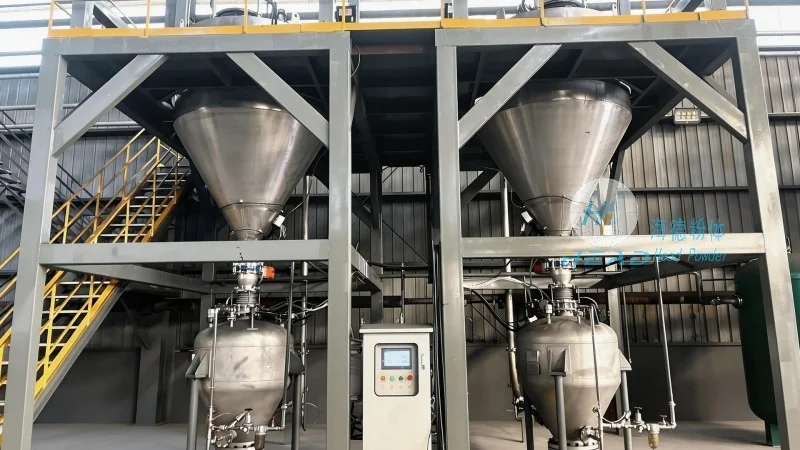
Compared to alternative pneumatic conveying methods, positive-pressure dense-phase conveying offers several key advantages that make it a preferred choice for many industries. One primary benefit is its ability to handle abrasive and fine powders without causing excessive wear on system components. The dense phase reduces particle impact on pipeline walls, extending equipment lifespan. Another advantage is the reduced risk of product degradation, as the material is transported in a stable, low-velocity environment that minimizes friction and heat generation. The system allows for precise control over flow rate and pressure, enabling accurate dosing critical in processes like pharmaceutical manufacturing or food processing. Furthermore, positive-pressure systems are more energy-efficient than vacuum systems, requiring less power to maintain pressure and transport material. The compact design of the equipment also suits installation in confined spaces, reducing the conveying system's footprint.
System Components and Design Considerations
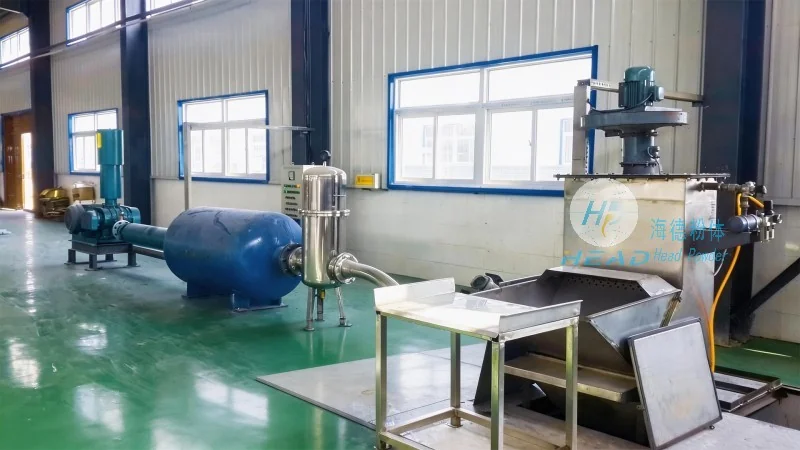
The positive-pressure dense-phase conveying system comprises several key components that work in unison to ensure efficient material transport. These include a positive displacement blower or compressor, a hopper or feeder to introduce powder into the system, a conveying line with appropriate diameter and length, and a receiver or discharge hopper to collect material at the destination. The hopper and feeder are designed to maintain consistent powder flow, preventing surges or blockages. The conveying line is typically made of stainless steel or other corrosion-resistant materials to withstand abrasive powders. The system may also feature pressure regulators, flow meters, and control valves to monitor and adjust pressure and flow as needed. Design considerations must account for the specific powder characteristics, such as high moisture content, which may require additional drying or moisture control to prevent caking or blockages. Safety features like pressure relief valves and emergency shut-off mechanisms are also integral to prevent over-pressurization and ensure operator safety.
Operational Considerations and Maintenance
Proper operation and maintenance of the positive-pressure dense-phase conveying system are essential for longevity and efficiency. Regular inspection of components, including the blower, pipeline, and hopper, is necessary to detect wear or damage. The blower and compressor should be checked for proper lubrication and alignment to maintain optimal performance. The conveying line should be inspected for corrosion or blockages and cleaned as needed to prevent residue buildup. The hopper and feeder must be kept clean to avoid flow disruptions. Monitoring devices track pressure, flow rate, and temperature for early issue detection. Regular maintenance, such as replacing worn parts and cleaning filters, is crucial to prevent failures and ensure consistent performance. Operator training on system operation and safety procedures is also vital to minimize accidents and keep the system within design parameters.




