Polystyrene powder pneumatic conveying systems represent a sophisticated method for transporting fine powders, such as polystyrene, through a pipeline using compressed air. This technology is widely adopted in industrial settings due to its efficiency, flexibility, and ability to handle materials that are difficult to transport via traditional methods. The core principle revolves around the use of air as the conveying medium, which propels the powder particles through the system. Understanding the underlying mechanics and the specific characteristics of these systems is crucial for optimizing performance and ensuring reliable operation in various industrial applications. As a leading provider in the field, Shandong HeadPowder Engineering Co., Ltd. specializes in designing and implementing such systems tailored to meet the unique needs of industrial clients, with operations based in Shandong, China.
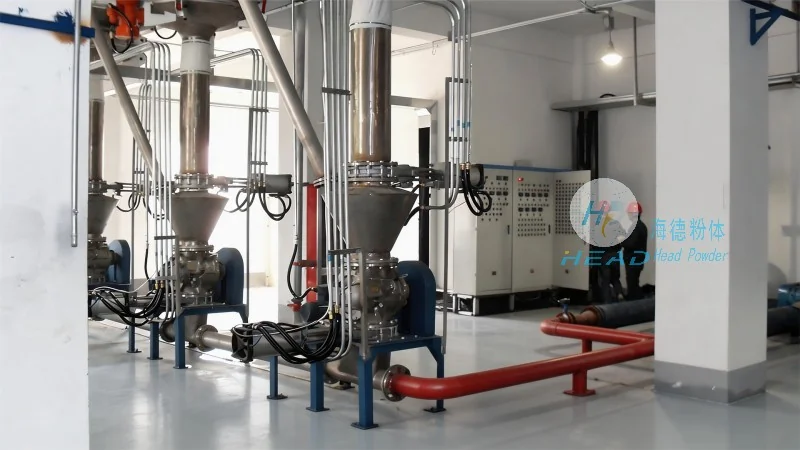
The Fundamental Principle of Pneumatic Conveying for Polystyrene
The operation of a polystyrene powder pneumatic conveyor is based on the fundamental principle of air flow and particle movement. In a typical system, compressed air is introduced into the conveying line, creating a pressure differential that drives the polystyrene particles forward. The system can operate in either positive or negative pressure modes, depending on the application requirements. Positive pressure systems use compressed air to push the material, while negative pressure systems use vacuum to pull the material. For polystyrene, which is a lightweight and often abrasive powder, the choice of pressure mode and system design is critical to prevent material degradation and ensure efficient transport. The air velocity within the pipeline must be carefully controlled to maintain particle suspension and prevent clogging or deposition. This involves selecting appropriate air flow rates and pipeline diameters to match the material's properties and the desired conveying distance. The system's design must account for the polystyrene's low density and fine particle size, ensuring that the air flow is sufficient to keep particles airborne without excessive energy consumption.
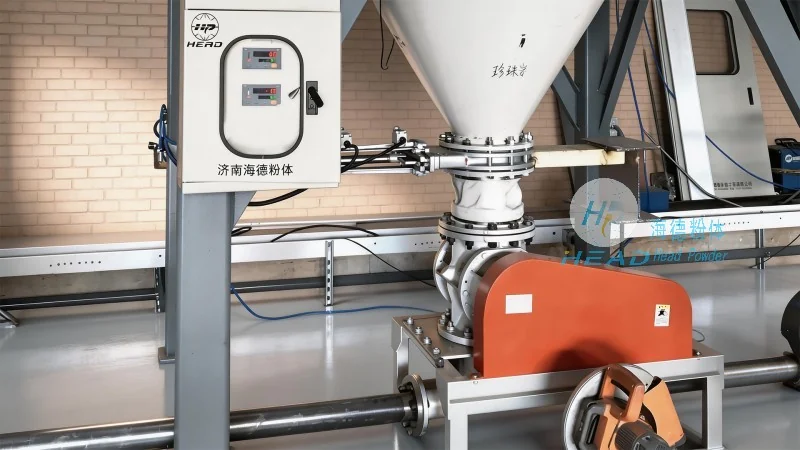
Key Components and Their Functions in Polystyrene Powder Conveying Systems
A polystyrene powder pneumatic conveying system comprises several key components, each playing a vital role in the overall operation. The primary components include the material feed hopper, which stores and feeds the polystyrene powder into the system; the air compressor or vacuum pump, which provides the necessary pressure or vacuum; the conveying line, which transports the material; and the discharge hopper or receiver, where the material is collected. Additionally, the system may include accessories such as cyclones for separation, filters to remove air contaminants, and control valves to regulate air flow. The material feed hopper is designed to minimize material bridging and ensure a consistent feed rate, which is essential for maintaining stable conveying conditions. The air compressor or vacuum pump must be capable of delivering sufficient pressure or vacuum to overcome the resistance in the pipeline and lift the polystyrene particles. The conveying line is typically made of materials resistant to polystyrene's abrasive nature, such as stainless steel or specialized plastics, to prevent wear and maintain system integrity. The discharge hopper is equipped with a valve to control the release of the material, ensuring a smooth and controlled discharge process. These components work in concert to ensure the efficient and reliable transport of polystyrene powder from the source to the destination.
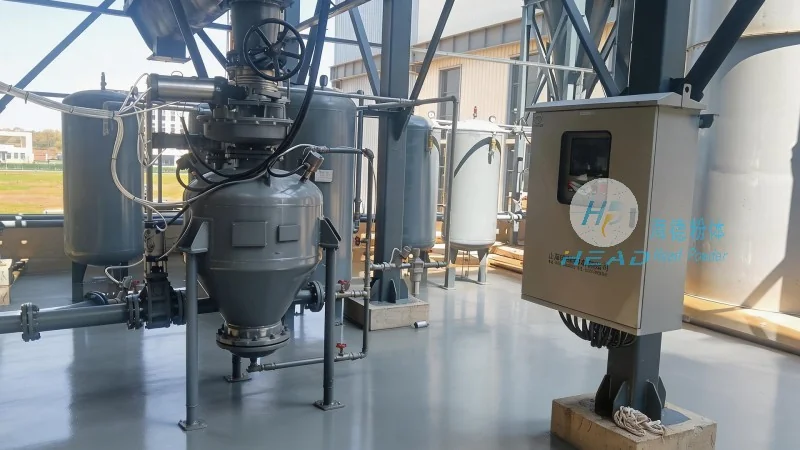
Working Scenario Characteristics: Industrial Applications and Operational Environments
The working scenario characteristics of polystyrene powder pneumatic conveying systems are defined by the specific industrial applications and operational environments in which they are used. These systems are commonly employed in the packaging industry, where polystyrene is used for foam packaging and insulation materials. In this scenario, the system must handle large volumes of polystyrene powder efficiently, often over long distances, to support production lines that require continuous material supply. The operational environment may involve high temperatures or exposure to moisture, which can affect the material's properties and the system's performance. Another common application is in the manufacturing of polystyrene products, such as plastic containers or automotive parts, where the material is transported from storage to processing equipment. In these cases, the system must ensure minimal material degradation and maintain consistent particle size distribution, as these factors directly impact the quality of the final products. The working scenario may also involve the need for dust control and environmental compliance, as polystyrene powders can be fine and potentially hazardous if not handled properly. The system design must incorporate features such as dust collection and filtration to meet safety and regulatory standards. Furthermore, the operational environment may include varying production rates, requiring the system to be flexible and capable of adjusting to changes in demand. This adaptability is crucial for maintaining efficiency and minimizing downtime in dynamic industrial settings.
Optimizing Performance: Factors Influencing Polystyrene Powder Pneumatic Conveying
Optimizing the performance of a polystyrene powder pneumatic conveying system involves considering several key factors that influence its efficiency and reliability. The first factor is the material properties of polystyrene, which include its density, particle size distribution, and moisture content. These properties affect the air flow requirements and the pressure needed to transport the material. For example, a finer polystyrene powder may require higher air velocity to maintain suspension, while a coarser powder may need lower velocity to prevent clogging. The system design must account for these variations to ensure consistent performance. Another critical factor is the conveying distance and pipeline layout. Longer distances or complex layouts may require additional components, such as pulse jets or cyclones, to maintain material flow and prevent deposition. The air compressor or vacuum pump must be sized appropriately to handle the pressure drop across the system, ensuring sufficient air flow to overcome resistance. Additionally, the system must be maintained regularly to prevent wear and tear, which can affect performance. This includes cleaning the conveying line, replacing filters, and inspecting components for damage. Proper maintenance is essential to ensure the system operates at peak efficiency and to extend its lifespan. Finally, the operational conditions, such as temperature and humidity, must be monitored and controlled to prevent adverse effects on the polystyrene powder and the system components. By addressing these factors, the performance of the polystyrene powder pneumatic conveying system can be optimized to meet the specific needs of the industrial application.
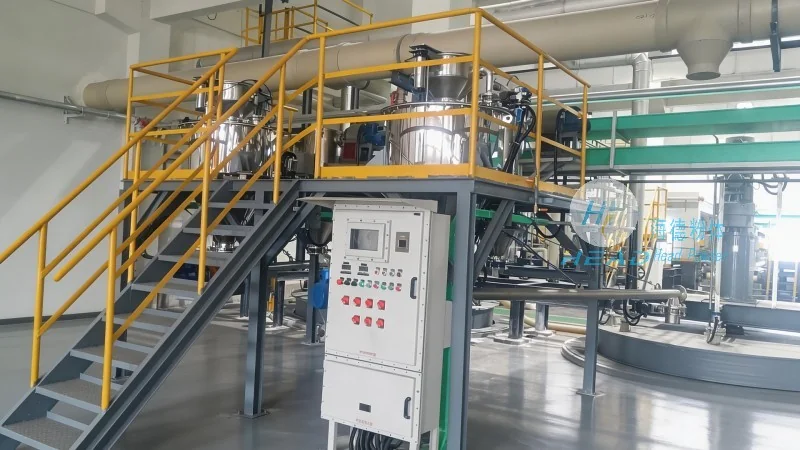
Conclusion: The Role of Polystyrene Powder Pneumatic Conveying in Modern Industry
In conclusion, polystyrene powder pneumatic conveying systems are a vital technology in modern industrial operations, providing an efficient and reliable method for transporting fine powders. The fundamental principle of air flow and particle movement, combined with carefully designed components and optimized operational parameters, enables these systems to handle polystyrene powder effectively in various applications. The working scenario characteristics, including industrial applications and operational environments, highlight the adaptability and versatility of the technology. By understanding the key factors influencing performance and implementing proper maintenance and operational strategies, industries can maximize the benefits of polystyrene powder pneumatic conveying systems. As demand for polystyrene products continues to grow, the importance of efficient material handling systems like these will only increase, making them an essential component of modern manufacturing processes. Shandong HeadPowder Engineering Co., Ltd. remains committed to advancing this technology to support the evolving needs of industrial clients in China and beyond.




