Principle and Working Scene Characteristics of PTA Material Pneumatic Conveying Systems
Release time:2026-09-19 22:01:33
name of the company:Shandong Headpowder Engineering Co., Ltd.
telephone:156-6277-7102
contacts:Zhang manager
PTA (Polyethylene Terephthalate Acid) is a critical raw material in the production of polyester fibers and resins. The efficient handling and transportation of PTA materials are essential for industrial operations, and pneumatic conveying systems have become a trusted solution. This article examines the fundamental principles of PTA material pneumatic conveying systems and highlights key working scene characteristics that define their application in industrial settings.
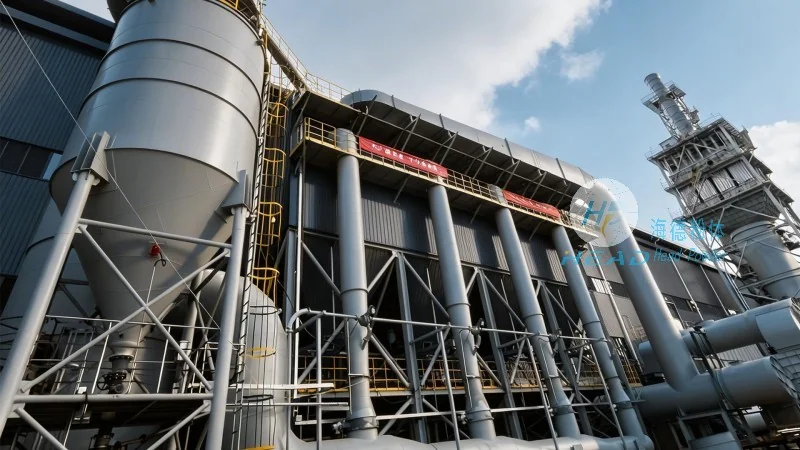
Understanding PTA Material Pneumatic Conveying Systems
Pneumatic conveying systems utilize air or other gases to transport bulk materials like PTA through a network of pipes. The core principle involves creating a pressure differential to move the material from the source to the destination. There are two primary types of pneumatic conveying: pressure and vacuum systems. Pressure systems operate by forcing air into the conveying line, while vacuum systems create a negative pressure to draw material into the system. For PTA, which is typically in the form of solid pellets or flakes, the system selection depends on factors such as material properties, distance, and required flow rates.
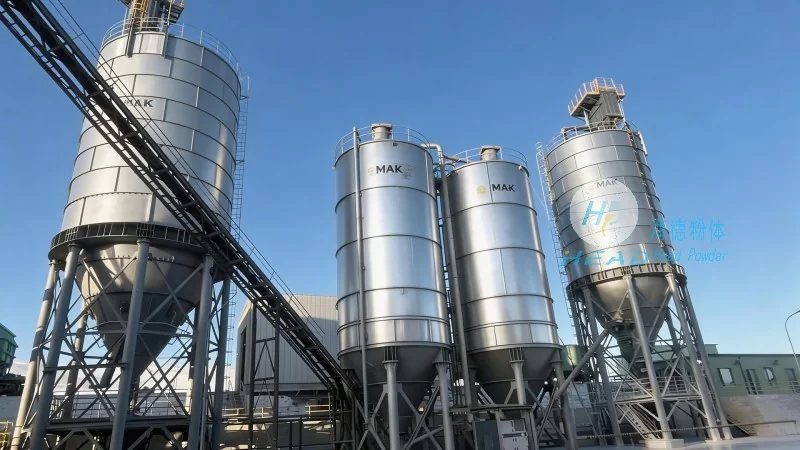
Key Working Scene Characteristics of PTA Pneumatic Conveying
The working scene characteristics of PTA pneumatic conveying systems are designed to meet the specific demands of industrial environments. These characteristics include:
- Material Handling Efficiency: Pneumatic systems enable continuous and automated material transport, reducing manual labor and minimizing material loss. This is particularly important for PTA, which is often handled in large quantities and requires precise control to avoid contamination or degradation.
- Space Optimization: Unlike traditional belt or bucket elevators, pneumatic conveying systems can be installed in compact spaces, making them suitable for facilities with limited floor area. The flexible pipe layout allows for easy integration into existing production lines.
- Environmental Control: PTA is sensitive to moisture and dust, and pneumatic systems provide enclosed transport, preventing exposure to the environment. This helps maintain material quality and reduces the risk of dust explosions, a critical safety consideration in industrial settings.
- Process Integration: PTA pneumatic conveying systems can be seamlessly integrated with other production processes, such as storage, blending, and packaging. This integration enhances overall production efficiency and ensures smooth workflow between different stages of the manufacturing process.
Application Scenarios in Industrial Settings
PTA material pneumatic conveying systems are widely utilized in various industrial applications, including:
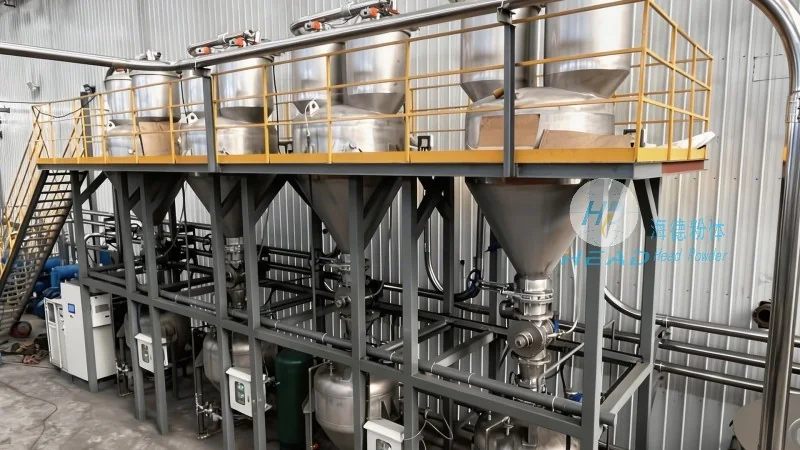
- Storage and Transfer: In PTA production plants, these systems are used to transfer raw materials from storage silos to processing units. The ability to handle large volumes quickly and efficiently ensures uninterrupted production.
- Blend and Mix: During the production of polyester, PTA is often blended with other additives. Pneumatic conveying allows for precise mixing, ensuring consistent product quality and meeting specific formulation requirements.
- Packaging and Shipping: After processing, PTA is transported to packaging areas for shipment. The enclosed and controlled transport maintains product integrity and complies with safety regulations for material handling.
Conclusion
PTA material pneumatic conveying systems represent a sophisticated solution for the efficient and safe handling of PTA in industrial applications. By leveraging the principles of pneumatic transport, these systems offer advantages such as high efficiency, space optimization, and environmental control. The working scene characteristics, tailored to the demands of PTA processing, make them an indispensable component in modern manufacturing facilities. As industries continue to seek reliable and effective material handling solutions, the role of PTA pneumatic conveying systems remains pivotal in ensuring smooth and productive operations.




