HeadPowder, a leading provider in the field of material handling solutions, specializes in the design, manufacturing, and installation of advanced pneumatic conveying systems for various industrial applications. With a strong presence in Shandong, China, the company has established itself as a trusted partner for businesses seeking efficient and reliable material transport solutions. This article explores the fundamental principles behind heavy calcium powder material pneumatic conveying systems and highlights the key characteristics of their operational scenarios.
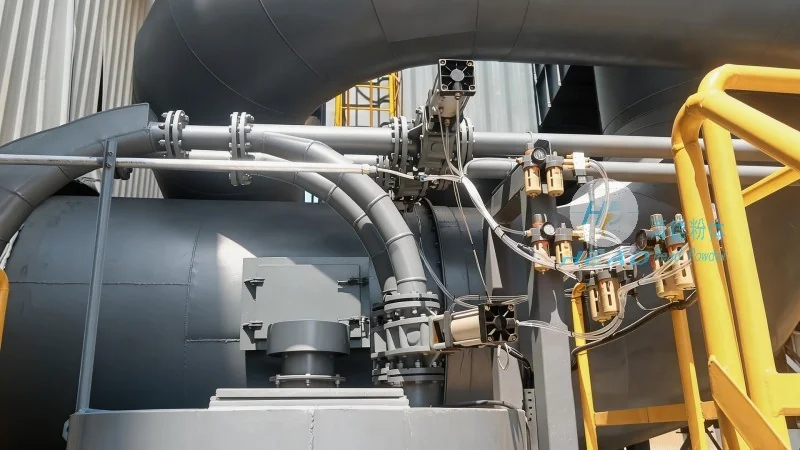
Overview of Pneumatic Conveying Systems for Heavy Calcium Powder
Pneumatic conveying systems are widely used in industries to transport bulk materials, such as heavy calcium powder, over long distances with minimal human intervention. These systems operate by using air or gas to move particles through a network of pipes. The technology offers several advantages over traditional mechanical conveying methods, including reduced maintenance costs, improved safety, and the ability to handle materials that are difficult to transport via conventional means.
The Core Principle of Pneumatic Conveying
The fundamental principle of pneumatic conveying involves creating a pressure differential between the inlet and outlet of the system. In a positive pressure system, air is forced into the conveying line, carrying the heavy calcium powder particles forward. Conversely, a negative pressure system draws air and material through the line using a vacuum. The choice between these two systems depends on factors like the material's properties, the distance to be covered, and the desired level of containment. For heavy calcium powder, which is typically fine and abrasive, positive pressure systems are often preferred due to their ability to maintain consistent flow rates and minimize material degradation.
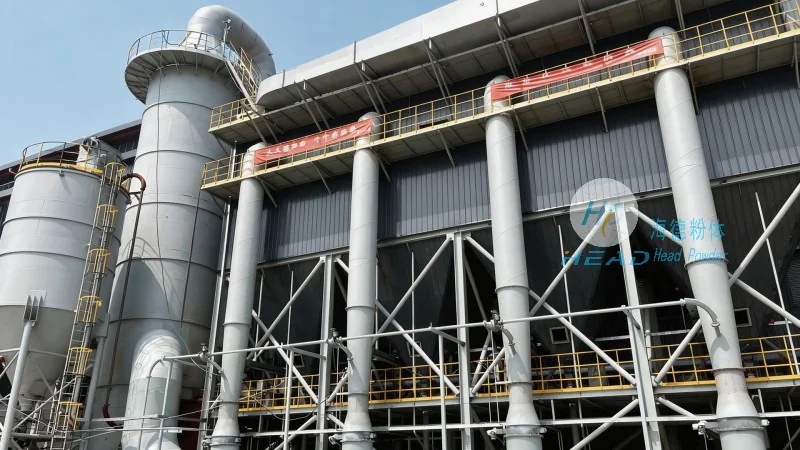
Key Components of the System
A typical heavy calcium powder pneumatic conveying system consists of several critical components. These include a material feeder, which ensures a steady supply of powder into the system; a conveying line, made from materials resistant to abrasion and corrosion, such as stainless steel or special plastics; a pressure or vacuum source, which provides the necessary force to move the material; and a separator or cyclone, which separates the material from the air at the end of the line. The material feeder is crucial for maintaining consistent flow, as heavy calcium powder can be prone to bridging or clogging if not handled properly. The conveying line must be designed to withstand the abrasive nature of the powder, preventing wear and tear that could lead to system failure.
Working Scene Characteristics
The operational characteristics of heavy calcium powder pneumatic conveying systems vary significantly based on the specific application and environment. In industrial settings, such as manufacturing plants or processing facilities, these systems are often integrated into larger production lines, requiring seamless coordination with other equipment. The efficiency of the system is directly related to the design of the conveying line, the capacity of the feeder, and the pressure or vacuum levels used. For example, in a plant producing coated paper or plastic, the heavy calcium powder may need to be transported from a storage silo to a mixing or coating machine. The system must be capable of handling the required flow rates while maintaining a consistent particle size distribution, which is essential for the quality of the final product.
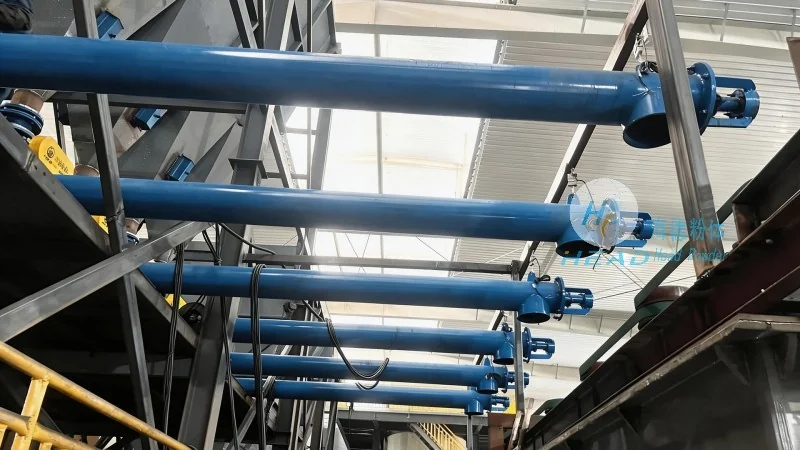
Advantages and Applications
Heavy calcium powder pneumatic conveying systems offer several advantages that make them ideal for a wide range of applications. These include high throughput rates, which allow for continuous production, and the ability to transport materials over long distances without the need for intermediate storage or handling. The systems are also highly flexible, as they can be easily modified or expanded to accommodate changes in production needs. In addition, they provide a clean and dust-free environment, which is particularly important in industries where product purity is critical, such as pharmaceuticals or food processing. HeadPowder's expertise in designing customized systems ensures that clients receive solutions tailored to their specific requirements, whether for small-scale operations or large industrial facilities.
Conclusion
In conclusion, heavy calcium powder material pneumatic conveying systems are a sophisticated and efficient solution for transporting bulk materials in various industrial applications. By understanding the fundamental principles and operational characteristics of these systems, businesses can optimize their material handling processes, improve productivity, and enhance overall operational efficiency. HeadPowder, with its commitment to quality and innovation, continues to provide cutting-edge solutions that meet the evolving needs of the industry.




