HeadPowder, a leading engineering company based in Shandong, China, specializes in the design, manufacturing, and installation of advanced pneumatic conveying systems for handling fine coal powder materials. This article explores the fundamental principles behind these systems and highlights the key characteristics of their operational scenarios.
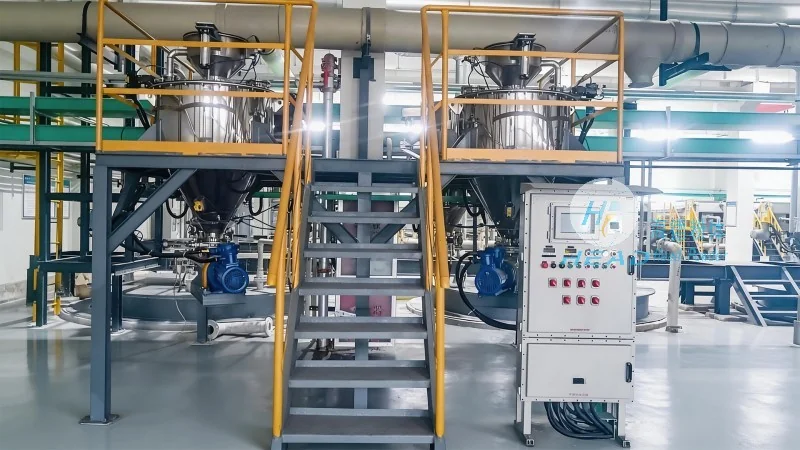
Introduction to Fine Coal Powder Pneumatic Conveying Systems
Fine coal powder, often used as a fuel in power plants and industrial processes, requires efficient and reliable transport methods to ensure consistent supply and minimize material loss. Pneumatic conveying systems offer a solution by utilizing air or gas to transport bulk materials through pipelines. These systems are particularly suitable for fine powders due to their ability to handle materials with low bulk density and high dust content, which are challenging to transport using traditional methods like belt conveyors or bucket elevators.
Core Principles of Pneumatic Conveying Technology
The operation of a fine coal powder pneumatic conveying system is based on the fundamental principle of fluidization and suspension. In an aspiration (or suction) system, a vacuum is created at the material inlet to draw the coal powder into the pipeline. The material is then suspended in a stream of air and transported to the discharge point. Conversely, compression (or pressure) systems use a positive pressure to push the material through the pipeline. Both systems rely on the balance between the air velocity and the particle size/density to maintain the material in a suspended state, preventing blockages and ensuring smooth flow.
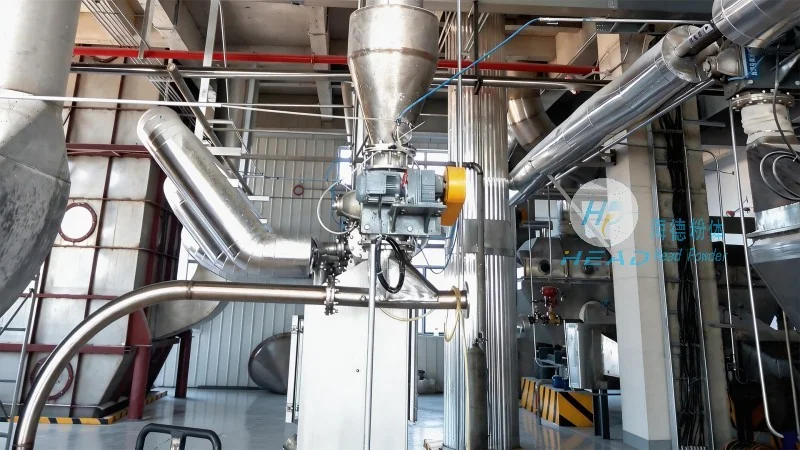
Key Working Scenario Characteristics
The working scenarios for fine coal powder pneumatic conveying systems vary based on the application and the specific requirements of the end-user. Some of the most common characteristics include:
1. High Efficiency in Material Transport
One of the primary advantages of pneumatic conveying systems is their high efficiency in transporting fine coal powder over long distances with minimal material degradation. The system can handle materials with particle sizes as small as 10 microns, ensuring that the powder remains in a consistent state without clumping or agglomeration. This efficiency is crucial for maintaining the quality of the coal powder, which is essential for combustion processes in power generation.
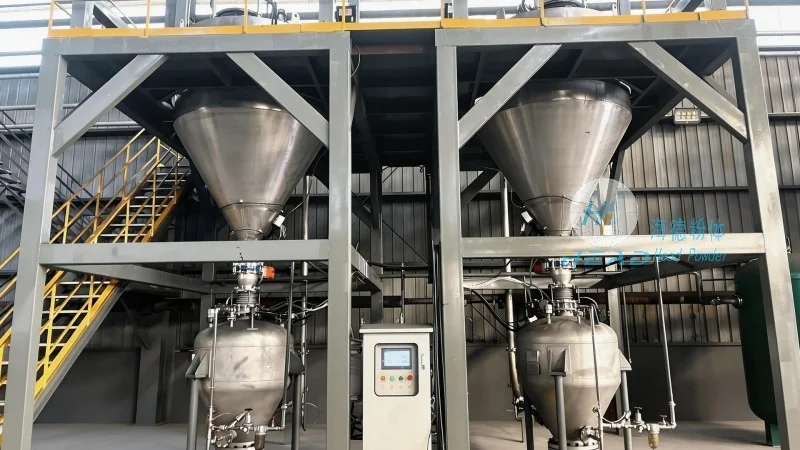
2. Versatility in Application
Fine coal powder pneumatic conveying systems are widely used across various industries, including power generation, metallurgy, and chemical processing. In power plants, these systems are used to transport coal from storage silos to boilers, ensuring a continuous and controlled fuel supply. In metallurgical plants, they are employed to convey coal for sintering or as a reducing agent in steel production. The versatility of the system allows it to adapt to different operational conditions, such as varying coal quality, moisture content, and particle size distribution.
3. Minimal Material Loss and Environmental Benefits
Compared to traditional transport methods, pneumatic conveying systems significantly reduce material loss and dust emissions. The enclosed pipeline system prevents the escape of fine particles, which not only improves safety by minimizing dust exposure but also reduces environmental impact. This is particularly important in industrial settings where dust control is a regulatory requirement. The system's design also allows for easy integration with dust collection and filtration equipment, further enhancing its environmental performance.
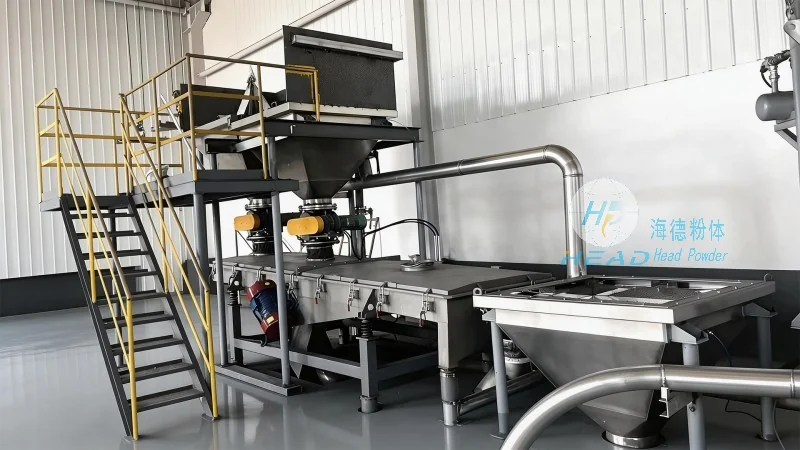
4. Adaptability to Different Plant Layouts
The flexibility of pneumatic conveying systems makes them suitable for plants with complex layouts or limited space. The pipelines can be installed vertically, horizontally, or at various angles, allowing for the optimization of the plant's design without compromising the system's performance. This adaptability is especially valuable in retrofitting existing plants or in new construction projects where space constraints are a concern.
Conclusion
HeadPowder's fine coal powder pneumatic conveying systems are engineered to meet the demanding requirements of modern industrial applications. By leveraging advanced pneumatic technology, these systems provide efficient, reliable, and environmentally friendly solutions for transporting fine coal powder. The working scenario characteristics, including high efficiency, versatility, and adaptability, make them an ideal choice for industries seeking to enhance their material handling processes. With a strong presence in Shandong, China, HeadPowder continues to innovate and provide tailored solutions to meet the evolving needs of its clients.




