Phosphate iron is a critical raw material in various industrial applications, and efficient handling and transportation of this material is essential for maintaining production efficiency and safety. Pneumatic conveying systems, particularly those designed for phosphate iron, offer a reliable and effective solution for material transport. This article delves into the operating process and working principle of phosphate iron pneumatic conveying equipment, highlighting the key components, operational steps, and technical aspects that ensure optimal performance.
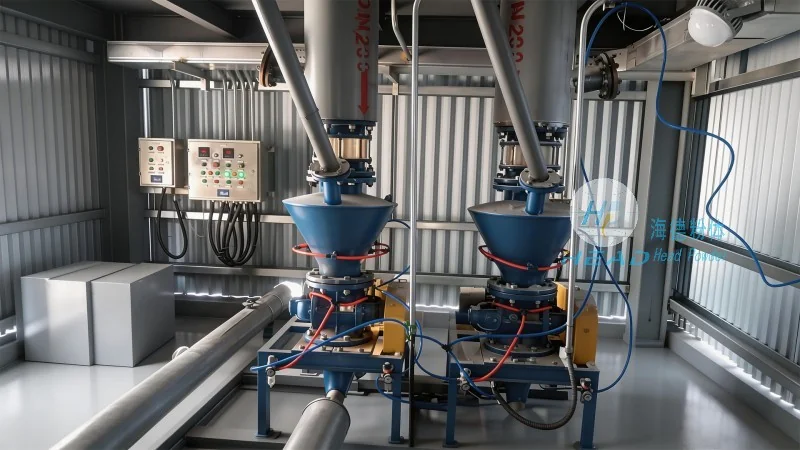
Introduction to Phosphate Iron Pneumatic Conveying
Shandong HeadPowder Engineering Co., Ltd. specializes in the design, manufacturing, and installation of advanced pneumatic conveying systems tailored for diverse industrial needs. With a focus on phosphate iron, the company has developed robust solutions that address the unique challenges associated with handling this material, such as its abrasive nature and potential dust generation. The phosphate iron pneumatic conveying equipment offered by HeadPowder is engineered to provide high efficiency, low maintenance, and consistent performance, making it an ideal choice for industries that require reliable material transport solutions.
Key Components of Phosphate Iron Pneumatic Conveying Systems
The phosphate iron pneumatic conveying system consists of several essential components that work in tandem to achieve effective material transport. These components include the material hopper, feeder, air compressor, conveying pipeline, and receiver. Each component plays a crucial role in the overall operation of the system. The material hopper is responsible for storing the phosphate iron, ensuring a consistent feed to the feeder. The feeder, typically a rotary valve or screw feeder, controls the flow rate of the material into the conveying line. The air compressor generates the necessary air pressure to move the material through the pipeline. The conveying pipeline, often made of stainless steel or other corrosion-resistant materials, transports the material and air mixture. Finally, the receiver collects the conveyed material and separates it from the air.
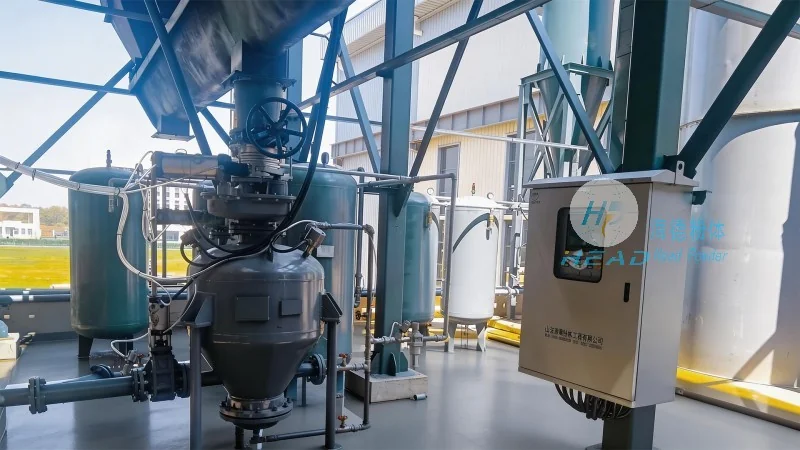
Working Principle of Phosphate Iron Pneumatic Conveying
The working principle of phosphate iron pneumatic conveying involves the use of compressed air to transport the material particles. The process begins with the material being fed from the hopper into the feeder. The feeder regulates the flow of phosphate iron into the conveying pipeline. Simultaneously, the air compressor supplies high-pressure air into the pipeline. As the air and material mixture moves through the pipeline, the air velocity is sufficient to lift and transport the phosphate iron particles. The conveying system utilizes either positive pressure or negative pressure (or a combination of both) to move the material. Positive pressure systems use air to push the material forward, while negative pressure systems use suction to draw the material. The choice of system depends on the distance, elevation, and material characteristics. The receiver then separates the material from the air, often using a cyclone separator or a bag filter, to ensure the material is collected efficiently and the air is cleaned before release.
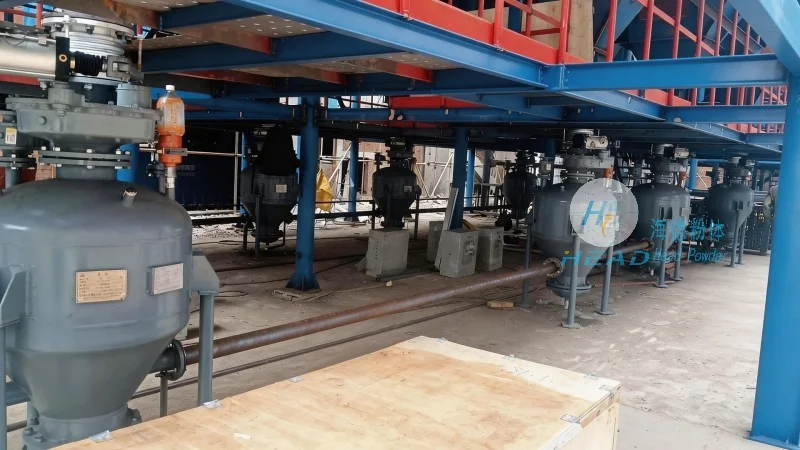
Operating Process of Phosphate Iron Pneumatic Conveying Equipment
The operating process of phosphate iron pneumatic conveying equipment involves several sequential steps that ensure smooth and continuous material transport. The process starts with the preparation of the system, including checking the air compressor pressure, ensuring the hopper is filled with phosphate iron, and verifying the proper functioning of the feeder and receiver. Once the system is ready, the air compressor is activated, and the feeder begins to supply the material. The compressed air then moves the phosphate iron particles through the pipeline to the receiver. The receiver collects the material and separates it from the air. The system operates continuously as long as the material supply is available and the air compressor maintains the required pressure. Regular maintenance, such as cleaning the cyclone separator, checking the air filter, and inspecting the feeder for wear, is essential to ensure the system runs efficiently and prolongs its lifespan.
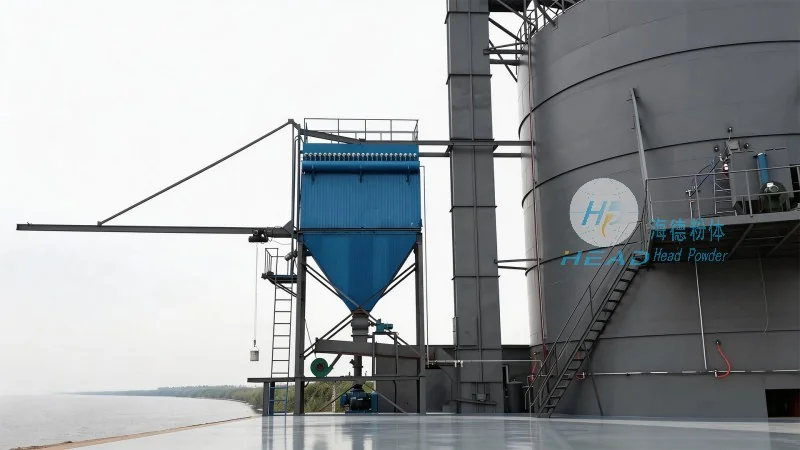
Advantages of Phosphate Iron Pneumatic Conveying Systems
Phosphate iron pneumatic conveying systems offer several advantages over traditional material handling methods. These include reduced labor costs, as the system automates the material transport process. The enclosed system minimizes dust exposure, enhancing workplace safety and compliance with environmental regulations. The system also provides flexibility in terms of layout, as the conveying pipeline can be installed in various configurations to suit the plant layout. Additionally, the system is compact and requires less floor space compared to other material handling solutions. The low maintenance requirements and long service life of the equipment further contribute to its cost-effectiveness. Overall, the phosphate iron pneumatic conveying system is a reliable and efficient solution for industries that handle phosphate iron, ensuring smooth production processes and optimal material handling.
Conclusion
In conclusion, the phosphate iron pneumatic conveying equipment developed by Shandong HeadPowder Engineering Co., Ltd. is a sophisticated and effective solution for transporting phosphate iron. The system operates based on the principles of pneumatic conveying, utilizing compressed air to move the material through a pipeline. The key components, including the hopper, feeder, air compressor, pipeline, and receiver, work together to ensure efficient and safe material transport. The operating process involves sequential steps that ensure continuous and reliable operation. The advantages of this system, such as automation, dust control, and flexibility, make it an ideal choice for industries that require efficient material handling. By understanding the operating process and working principle of phosphate iron pneumatic conveying equipment, industries can make informed decisions about implementing this technology to enhance their production efficiency and safety.




