Shandong HeadPowder Engineering Co., Ltd., headquartered in Shandong, China, is a leading manufacturer specializing in industrial equipment for material handling. The company focuses on providing high-quality solutions for transporting materials like tungsten carbide, ensuring efficiency, safety, and durability in demanding industrial environments.
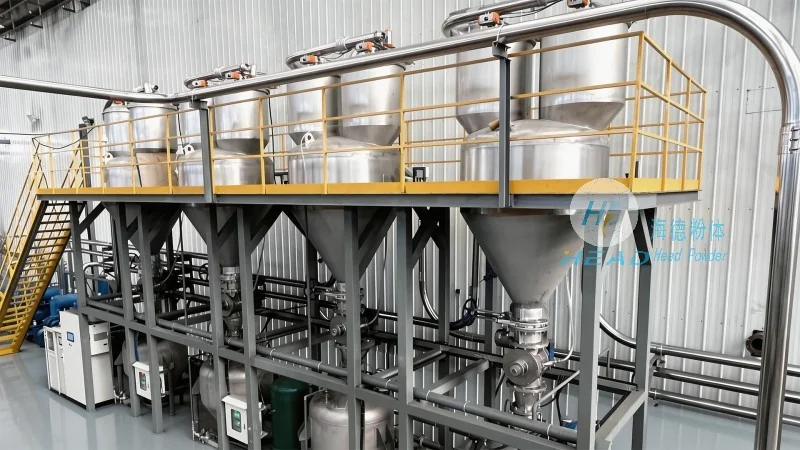
Introduction to Tungsten Carbide Pneumatic Conveying Equipment
Tungsten carbide is a critical material in modern manufacturing, widely used in cutting tools, wear-resistant components, and precision machinery. Handling this material requires specialized equipment capable of maintaining its integrity and ensuring safe transport. Pneumatic conveying systems are engineered to meet these needs, offering a dust-free, efficient method for moving tungsten carbide powders and granules between processing stages or storage facilities.
The Operating Process of Tungsten Carbide Pneumatic Conveying Equipment
The operation of a tungsten carbide pneumatic conveying system involves a systematic sequence of steps to ensure reliable material transport. Initially, the tungsten carbide material is stored in a hopper or silo. From there, it is fed into the conveying line via a controlled feeder, such as a rotary valve or screw feeder, which regulates the flow rate to maintain consistent pressure and flow. Compressed air or gas is then introduced into the system, creating a high-velocity air stream that entrains the tungsten carbide particles. This air-particle mixture travels through the pipeline to the destination, such as a processing unit or storage tank. The entire process is automated and monitored to ensure optimal performance, with sensors tracking pressure, flow rate, and material levels to prevent overloading or system failures.
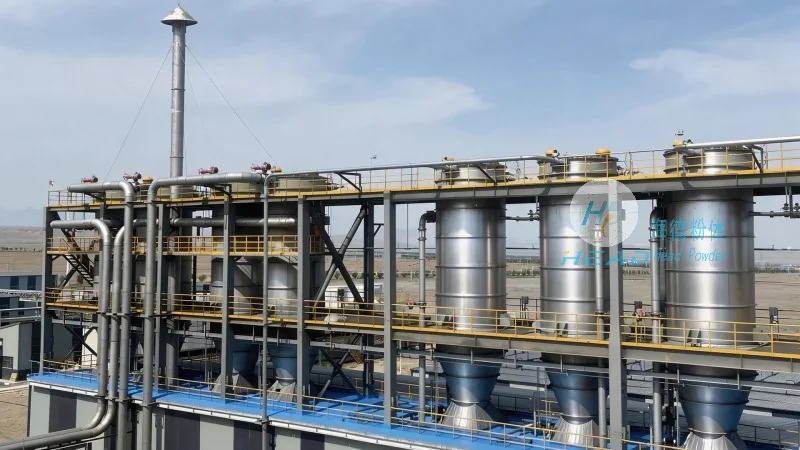
The Working Principle of Tungsten Carbide Pneumatic Conveying Equipment
The working principle of tungsten carbide pneumatic conveying equipment is based on fluid dynamics and particle transport physics. The system operates by creating a pressure differential between the inlet and outlet of the conveying line. Compressed air is supplied to generate a high-velocity air stream that provides the necessary momentum to move the tungsten carbide particles. The equipment is designed with components like cyclones and filters to separate the air from the material at the receiving end, ensuring the powder is collected efficiently without contamination. Safety features, such as pressure relief valves and dust collection systems, are integrated to protect against overpressure and airborne dust, maintaining compliance with industrial safety standards.
Key Components and Their Functions
Several critical components work in tandem to ensure the efficient operation of tungsten carbide pneumatic conveying systems. The hopper or storage bin serves as the initial material reservoir, providing a consistent feed to the system. The feeder mechanism, typically a rotary valve or screw feeder, regulates the flow of tungsten carbide into the conveying line, preventing blockages and maintaining a steady flow rate. The pipeline is constructed from abrasion-resistant materials like stainless steel or special alloys to withstand the harsh nature of tungsten carbide particles. The air compressor or blower generates the necessary compressed air, which is distributed through the system via a network of pipes and fittings. The cyclone separator or filter at the receiving end separates the air from the material, allowing the tungsten carbide powder to be collected in a storage container or processing unit. Control panels and monitoring systems track system parameters, enabling operators to adjust the system as needed for optimal performance.
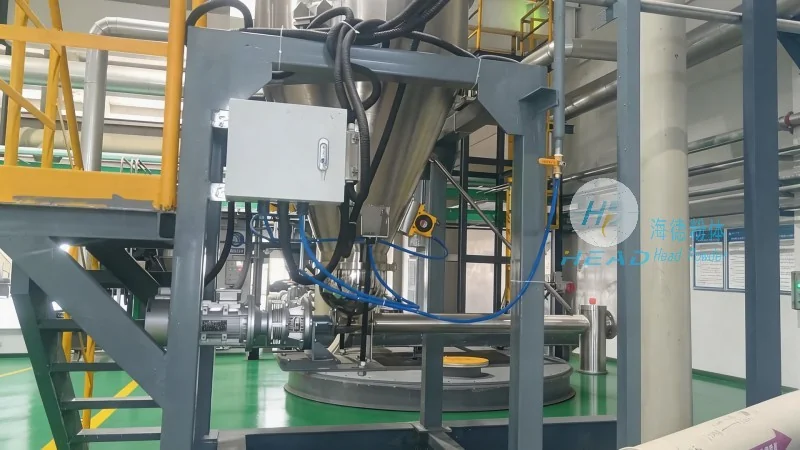
Benefits and Applications
The use of tungsten carbide pneumatic conveying equipment offers significant advantages for industries handling this material. The primary benefit is the ability to transport tungsten carbide powders over long distances without the need for mechanical conveyors, which can cause material degradation or contamination. The system provides dust-free operation, reducing inhalation hazards and improving workplace safety. Additionally, the equipment is highly flexible, allowing easy integration into existing production lines and adjustment of conveying rates based on production needs. These systems are commonly used in the manufacturing of cutting tools, where consistent and clean material transport is crucial for maintaining tool quality. They are also employed in mining operations for transporting tungsten ore and in the production of wear-resistant components for heavy machinery.
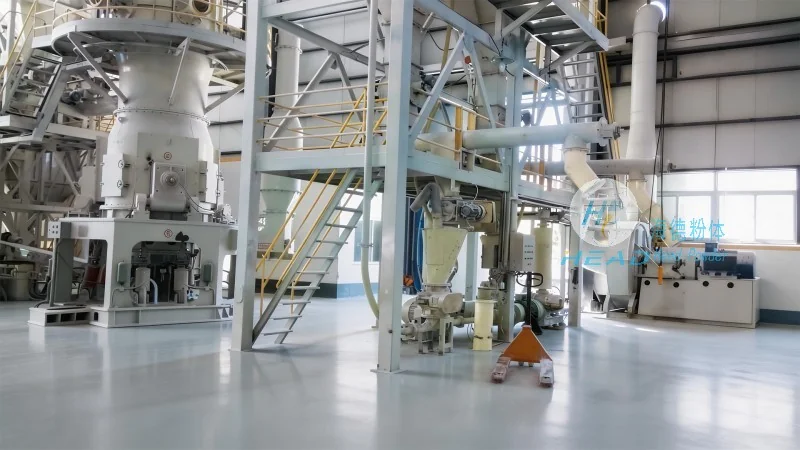
Maintenance and Operational Considerations
Proper maintenance is essential to ensure the long-term performance and reliability of tungsten carbide pneumatic conveying equipment. Regular inspections of the hopper, feeder, and pipeline are necessary to check for wear and tear, especially in areas exposed to abrasive tungsten carbide particles. The air compressor and blower should be maintained to ensure consistent air pressure and flow, as fluctuations can affect conveying efficiency. The cyclone separator and filters must be cleaned or replaced regularly to prevent clogging and maintain effective material separation. Operators should monitor system pressure and flow rates, adjusting the feeder speed or air pressure as needed to avoid overloading the system. By following these maintenance practices, the equipment can operate efficiently for extended periods, minimizing downtime and maximizing productivity.
Conclusion
Tungsten carbide pneumatic conveying equipment is a sophisticated and essential tool for industries that rely on the efficient and safe transport of this critical material. The operating process and working principle of these systems are designed to meet the demanding requirements of modern manufacturing, ensuring consistent performance, minimal material loss, and compliance with safety standards. With proper maintenance and operation, such equipment can provide reliable service for years, contributing to improved productivity and quality in various industrial applications.




