Graphene pneumatic conveying equipment, as a specialized system designed for the efficient handling and transportation of graphene materials, plays a crucial role in modern industrial applications. This equipment is engineered to ensure the safe, reliable, and high-efficiency transfer of graphene powders or other fine particulate materials through an air-driven system. The operation process and working principle of such equipment are fundamental to understanding its capabilities and applications in various industries.
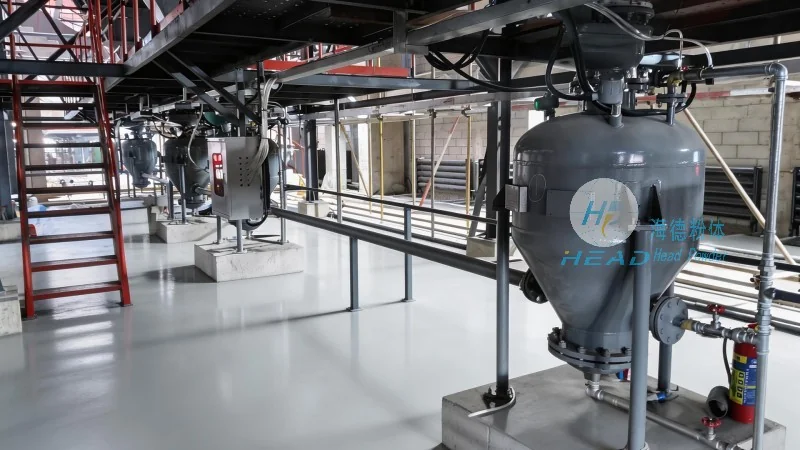
Overview of Graphene Pneumatic Conveying Systems
Graphene pneumatic conveying equipment typically consists of several key components, including a material hopper, a pneumatic conveying line, a control system, and a discharge unit. The material hopper is used to store the graphene powder, while the pneumatic conveying line facilitates the movement of the material through the system using compressed air. The control system manages the flow rate, pressure, and other operational parameters to ensure optimal performance. The discharge unit then delivers the graphene material to the intended destination, such as a processing unit or storage container.
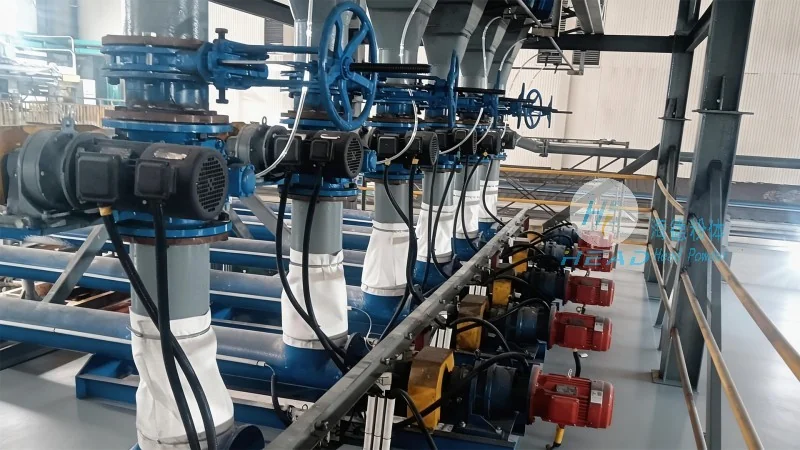
Working Principle of Graphene Pneumatic Conveying
The working principle of graphene pneumatic conveying equipment is based on the principle of pneumatic transport, where compressed air is used to create a flow that moves the material through the conveying line. When the material is released from the hopper, it is entrained by the high-velocity air stream within the conveying line. This entrainment allows the graphene particles to be transported over long distances without the need for mechanical components like belts or screws, which can be prone to wear and contamination. The system operates by maintaining a consistent air pressure and flow rate, ensuring that the material is conveyed smoothly and without degradation.
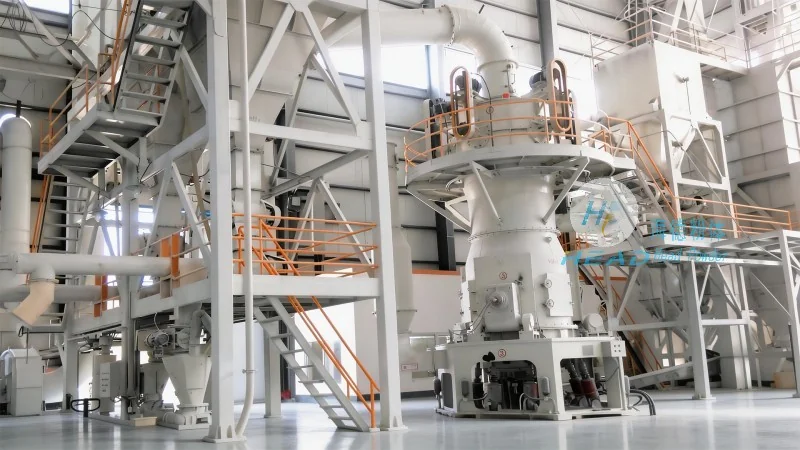
Operation Process of Graphene Pneumatic Conveying Equipment
The operation process of graphene pneumatic conveying equipment involves several sequential steps. First, the graphene material is loaded into the material hopper. The control system then activates the compressed air supply, which creates the necessary pressure to initiate the conveying process. As the air flows through the conveying line, it picks up the graphene particles from the hopper and transports them to the discharge point. The system continuously monitors the pressure and flow rates to maintain a stable operation. Once the material reaches the discharge unit, it is released into the receiving container, completing the conveying cycle. The entire process is automated and can be adjusted to handle varying material loads and conveying distances.
Key Features and Benefits of Graphene Pneumatic Conveying Systems
Graphene pneumatic conveying equipment offers several advantages that make it suitable for handling delicate materials like graphene. These include minimal material degradation due to the absence of mechanical friction, high conveying efficiency, and the ability to transport materials over long distances without the need for intermediate storage. The system is also designed to be clean and hygienic, which is essential for applications where contamination must be avoided. Additionally, the equipment can be integrated with other processing systems, allowing for a seamless workflow from material handling to processing.
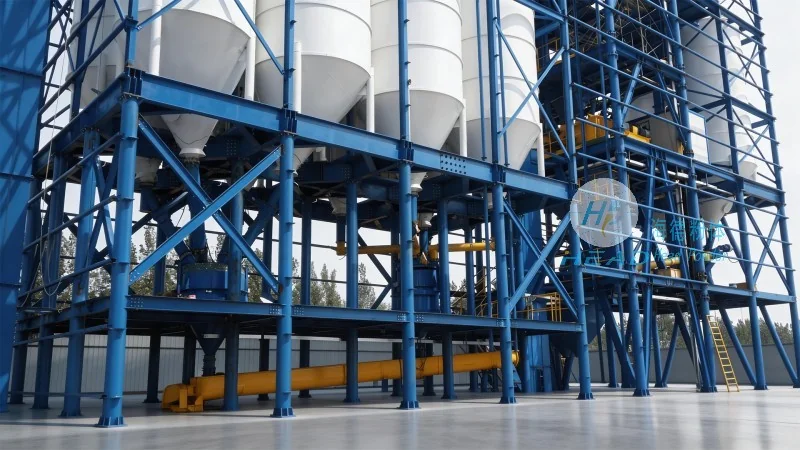
About Shandong HeadPowder Engineering Co., Ltd.
Shandong HeadPowder Engineering Co., Ltd., operating under the brand name headpowder, is a leading manufacturer of specialized pneumatic conveying equipment. With a focus on innovation and quality, the company has developed advanced systems tailored to the unique requirements of graphene and other fine materials. HeadPowder's expertise in material handling technology ensures that their equipment is reliable, efficient, and tailored to meet the specific needs of industrial clients. The company's facilities are located in Shandong, China, where they leverage local manufacturing capabilities to deliver high-quality products to global markets.




