Shandong HeadPowder Engineering Co., Ltd., commonly known as HeadPowder, is a professional manufacturer and supplier of pneumatic conveying systems. Based in Shandong, China, the company specializes in the design, production, and installation of advanced sand pneumatic conveying lines. These systems are crucial for efficient material handling in various industrial applications, ensuring smooth and reliable transport of sand and similar granular materials.
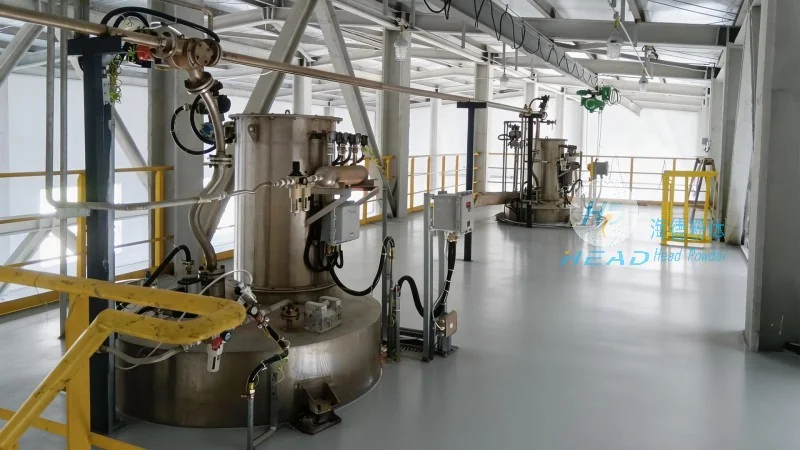
Understanding the Working Principle of Pneumatic Conveying Systems
The core of a sand pneumatic conveying line lies in its working principle, which utilizes compressed air to move materials through a pipeline. The system typically consists of a hopper for material storage, a rotary valve for controlled discharge, a pipeline network, and a receiver for the discharged material. When the system operates, compressed air is introduced into the pipeline, creating a pressure differential that propels the sand particles forward. This process, known as pneumatic conveying, eliminates the need for mechanical components like belts or buckets, reducing maintenance and increasing operational efficiency.
Step-by-Step Operation Process of Sand Pneumatic Conveying Lines
The operation of a sand pneumatic conveying line involves several key steps that ensure optimal performance. First, the sand is loaded into the hopper from a storage silo or bulk container. The rotary valve then regulates the flow of sand into the pipeline, controlling the quantity and rate of material discharge. Compressed air, supplied by an air compressor, is then introduced into the pipeline, creating a high-velocity air stream that carries the sand particles. As the air and sand mixture travels through the pipeline, it reaches the receiver, where the air is separated from the sand and discharged through a filter or vent. The sand is then collected in the receiver for further processing or use.
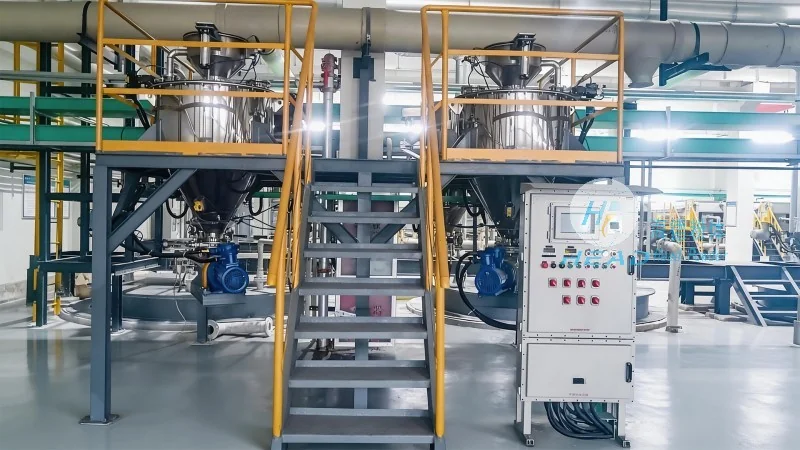
Key Components and Their Functions in the System
Several critical components work together to ensure the smooth operation of a sand pneumatic conveying line. The hopper serves as the primary storage vessel, providing a large capacity for sand accumulation. The rotary valve, often equipped with a control mechanism, regulates the flow rate of sand into the pipeline, preventing overloading and maintaining consistent material transport. The pipeline network, made of durable materials such as stainless steel or PVC, is designed to withstand the pressure and abrasion from the sand and air mixture. The air compressor is responsible for generating the necessary compressed air, with adjustable pressure settings to match the system's requirements. The receiver, equipped with a filter and vent, separates the air from the sand, ensuring clean air discharge and preventing dust accumulation. Each component plays a vital role in the overall efficiency and reliability of the system.
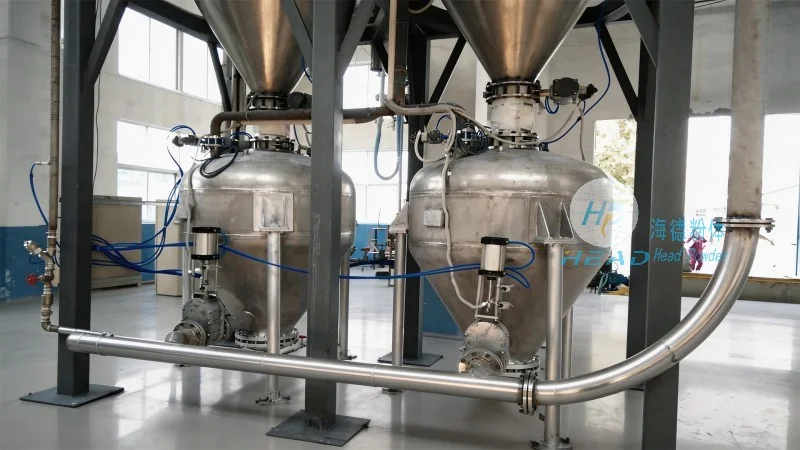
Advantages of Using Pneumatic Conveying for Sand Transport
Compared to traditional mechanical conveying methods, sand pneumatic conveying lines offer several significant advantages. One of the primary benefits is the elimination of mechanical parts, which reduces maintenance costs and extends the system's lifespan. The system also provides a more hygienic and dust-free environment, as the material is contained within the pipeline, minimizing exposure to contaminants. Additionally, pneumatic conveying allows for flexible and adjustable flow rates, enabling precise control over material transport. The system's ability to handle long-distance transport without intermediate storage points also enhances operational efficiency. These advantages make sand pneumatic conveying lines an ideal solution for industries such as construction, mining, and manufacturing, where efficient and reliable material handling is essential.
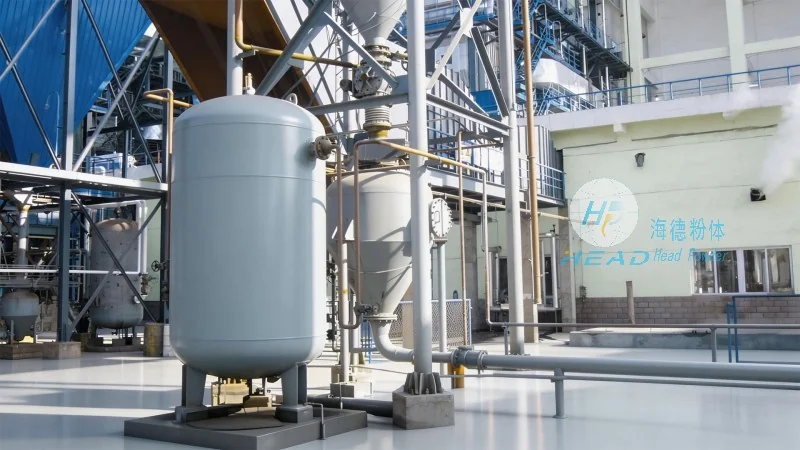
Applications and Industries Utilizing Sand Pneumatic Conveying Lines
Sand pneumatic conveying lines are widely used in various industries due to their versatility and efficiency. In the construction industry, these systems are commonly employed for transporting sand from storage silos to concrete mixing plants or construction sites. The mining industry utilizes pneumatic conveying for transporting sand from mines to processing facilities, ensuring a continuous supply of raw materials. The manufacturing industry, particularly in the production of concrete, ceramics, and other building materials, relies on sand pneumatic conveying lines to transport sand from storage areas to production lines. Additionally, the agricultural and food processing industries use these systems for transporting sand or similar granular materials, such as in the production of animal feed or fertilizer. The adaptability of sand pneumatic conveying lines makes them suitable for a wide range of applications, catering to the diverse needs of different industries.
Maintenance and Troubleshooting for Optimal Performance
To ensure the long-term reliability and efficiency of a sand pneumatic conveying line, regular maintenance and proper troubleshooting are essential. Regular inspection of the hopper and rotary valve for wear and tear is necessary to prevent material buildup or blockages. The pipeline should be checked for any signs of corrosion or damage, which could affect the system's performance. The air compressor should be maintained according to the manufacturer's guidelines, ensuring proper lubrication and filter replacement. The receiver and filter system should be cleaned regularly to prevent dust accumulation and maintain air quality. Common issues such as system blockages or reduced flow rates can often be resolved by checking the rotary valve settings, ensuring proper air pressure, or clearing any debris from the pipeline. By following a regular maintenance schedule and addressing issues promptly, the sand pneumatic conveying line can operate at its optimal performance level, minimizing downtime and maximizing productivity.




