Micro-powder pneumatic conveying lines are advanced industrial equipment designed to transport fine powders efficiently and safely. The technology is widely used in various industries such as chemical, pharmaceutical, food processing, and mining, where the handling of delicate or hazardous powders requires precise control and minimal contamination. This article will explore the operation process and working principle of these systems, highlighting the key components, operational steps, and the benefits they offer to industrial applications.
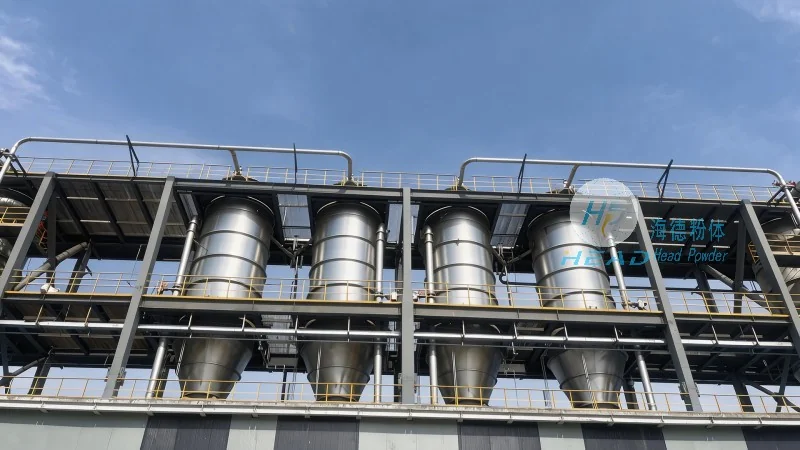
Introduction to Micropowder Pneumatic Conveying Systems
Before delving into the operational details, it is essential to understand the fundamental components and purpose of micropowder pneumatic conveying lines. These systems are engineered to move powders through a pipeline using compressed air or other gas streams. The primary goal is to achieve reliable, low-loss, and clean material transfer, which is critical for maintaining product quality and operational efficiency. The system typically consists of a hopper for material storage, a feeder to control the flow rate, a conveying line, and a receiver for the discharged material. Additionally, auxiliary components like filters, cyclones, and pressure regulators are integrated to ensure optimal performance and safety.
Key Components of Micropowder Pneumatic Conveying Lines
Each component plays a crucial role in the overall functionality of the system. The hopper, often equipped with a discharge valve or a rotary valve, stores the micro-powder and ensures a consistent feed to the feeder. The feeder, which can be a rotary valve, screw feeder, or vibratory feeder, regulates the material flow rate, preventing overloading or underflow that could disrupt the conveying process. The conveying line, usually made of stainless steel or other corrosion-resistant materials, is designed to withstand the pressure and temperature of the gas and powder mixture. The receiver, positioned at the end of the line, collects the conveyed material and may include a dust collection system to prevent environmental contamination. Filters and cyclones are used to separate the powder from the air stream, ensuring that the exhaust air is clean and the material is free from contaminants. Pressure regulators maintain the required air pressure, while check valves prevent backflow and maintain system stability.
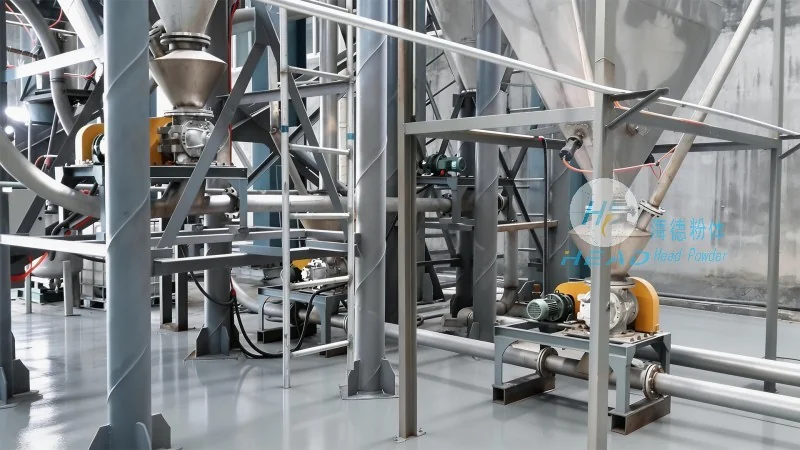
The Working Principle of Micropowder Pneumatic Conveying
The core of the micropowder pneumatic conveying process involves the use of a gas stream to entrain and transport the powder particles. The principle is based on the creation of a low-pressure zone within the conveying line, which draws the powder from the hopper into the air stream. As the gas flows through the feeder, it picks up the powder particles, forming a slurry or suspension. The mixture then travels through the pipeline under pressure, with the air velocity sufficient to keep the particles suspended and prevent settling. The conveying process can be categorized into two main types: dilute phase and dense phase. Dilute phase conveying uses high air velocities (typically 20-30 m/s) to transport the powder in a relatively low concentration, suitable for long-distance or high-speed applications. Dense phase conveying, on the other hand, uses lower air velocities (5-15 m/s) and higher powder concentrations, which is ideal for handling sensitive or abrasive powders, as it reduces particle impact and wear on the system components.
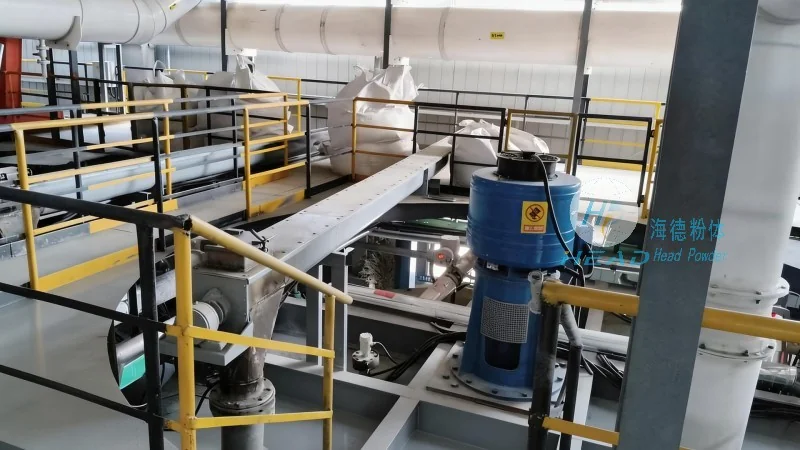
Operation Process of Micropowder Pneumatic Conveying Lines
The operation process of a micropowder pneumatic conveying line involves several sequential steps, each requiring precise control to ensure efficient and safe material transfer. The process begins with the loading of the hopper with the micro-powder material. The hopper is typically equipped with a level indicator to monitor the material level, and a discharge valve or rotary valve is used to regulate the flow into the feeder. The feeder then controls the material feed rate, ensuring a steady flow into the conveying line. Simultaneously, the compressed air system supplies the required air pressure to the feeder and the conveying line. The air stream is introduced into the feeder, where it entrains the powder particles and forms a slurry. The mixture then travels through the pipeline, with the air velocity maintaining the suspension of the powder particles. At the receiving end, the mixture enters the receiver, where the air and powder are separated. The powder is collected in the receiver, while the air passes through a filter or cyclone to remove any residual powder particles. The clean air is then discharged to the atmosphere, and the collected powder is discharged from the receiver through a discharge valve or rotary valve. Throughout the process, pressure sensors and flow meters monitor the system parameters, providing real-time feedback to adjust the air pressure or feed rate as needed. This closed-loop control ensures that the system operates within optimal parameters, minimizing energy consumption and maximizing material throughput.
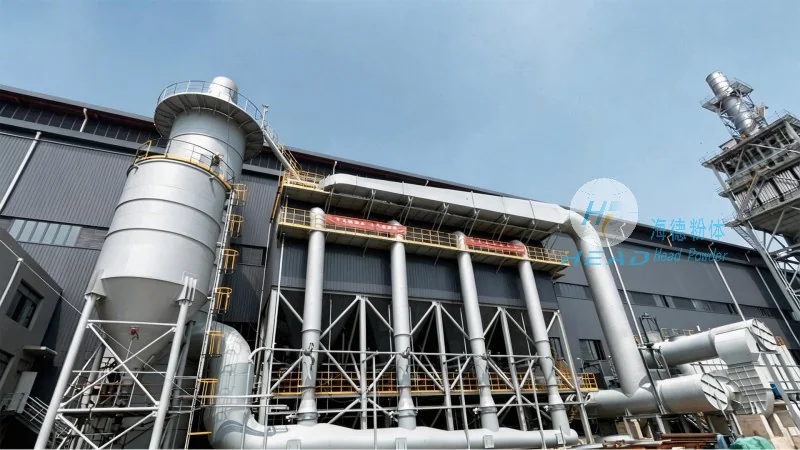
Benefits and Applications of Micropowder Pneumatic Conveying Lines
Micropowder pneumatic conveying lines offer numerous benefits that make them a preferred choice for industrial material handling. One of the primary advantages is the ability to transport fine powders over long distances with minimal loss and contamination. The enclosed system prevents dust emissions, which is crucial for maintaining a clean and safe working environment. Additionally, the system is highly flexible, allowing for changes in material type, flow rate, and conveying distance without significant modifications. The low maintenance requirements and the ability to handle abrasive or sensitive powders make these systems cost-effective and reliable. The applications of micropowder pneumatic conveying lines are diverse, including the transportation of pharmaceutical powders, food additives, chemical reagents, and mining ores. In the pharmaceutical industry, the system ensures that the powders are handled under sterile conditions, preventing contamination and maintaining product quality. In the food industry, the enclosed system prevents cross-contamination and ensures that the powders are handled hygienically. In the chemical industry, the system allows for the safe handling of hazardous powders, reducing the risk of accidents and environmental pollution.
Conclusion
Micropowder pneumatic conveying lines are sophisticated industrial systems that play a vital role in the efficient and safe handling of fine powders. The operation process involves a series of coordinated steps, from material loading to discharge, with each component contributing to the overall performance. The working principle, based on gas-liquid suspension, allows for reliable material transfer with minimal loss and contamination. The benefits of these systems, including enclosed handling, low maintenance, and flexibility, make them suitable for a wide range of industrial applications. As technology advances, the design and efficiency of micropowder pneumatic conveying lines continue to improve, offering even better performance and reliability for industrial material handling needs. For industries dealing with delicate or hazardous powders, these systems provide an effective solution for maintaining product quality and operational efficiency.




