Slurry pneumatic conveying lines are sophisticated systems designed to transport slurries, which are mixtures of solid particles suspended in a liquid, over long distances with efficiency and minimal maintenance. These systems are widely used in industries such as mining, chemical processing, and food production, where the reliable and cost-effective movement of bulk materials is critical. Shandong HeadPowder Engineering Co., Ltd., a leading manufacturer of slurry handling equipment, specializes in designing and supplying high-quality slurry pneumatic conveying systems that meet the diverse needs of industrial applications.
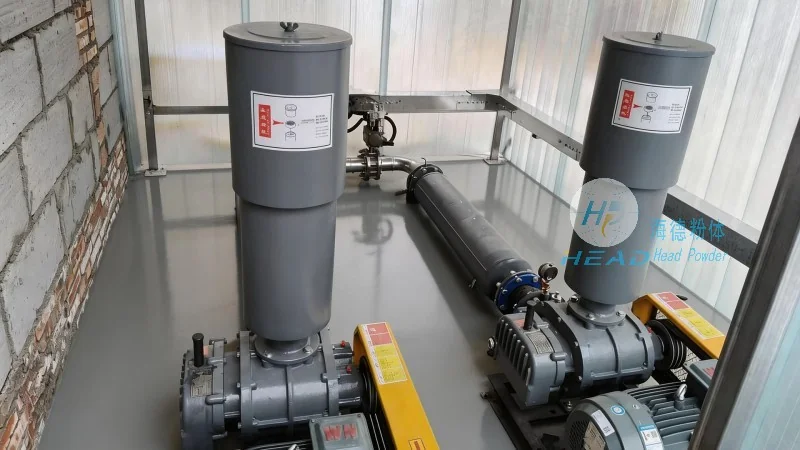
Key Components of a Slurry Pneumatic Conveying System
A typical slurry pneumatic conveying system consists of several essential parts that work in tandem to facilitate the transport of materials. The primary components include a slurry pump or feed system to introduce the slurry into the pipeline, a series of pipelines that form the conveying path, a venturi or eductor to create the necessary airflow, and a receiver or collection tank to deposit the material at the destination. Additionally, the system may incorporate filters, cyclones, or other separation equipment to maintain the quality of the conveyed slurry and protect downstream machinery from clogging or damage. The design of these components is critical to the overall performance of the system, as each part must be optimized to handle the specific characteristics of the slurry being transported.
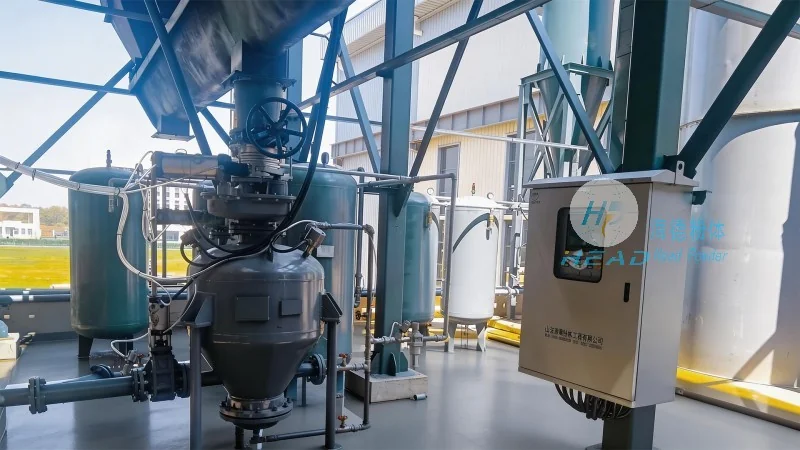
The Working Principle of Slurry Pneumatic Conveying
The core principle behind slurry pneumatic conveying is the use of compressed air to create a flow that lifts and propels the slurry particles through the pipeline. As the slurry enters the conveying line, it is mixed with the air stream, which provides the necessary momentum to overcome gravity and friction within the pipes. The venturi or eductor component plays a crucial role by converting the pressure energy of the air into kinetic energy, generating a high-velocity airflow that entrains the slurry particles. This process, known as pneumatic transport, allows for the continuous movement of slurries without the need for mechanical conveyors, reducing wear and tear on equipment and minimizing the risk of material degradation. The efficiency of the system depends on the balance between the air pressure and flow rate, as well as the particle size and density of the slurry, which must be carefully considered during the design phase.
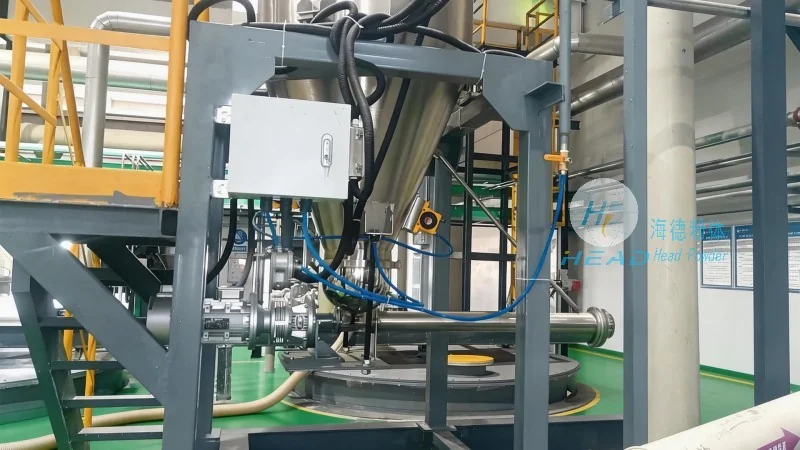
Operation Process of a Slurry Pneumatic Conveying Line
The operation of a slurry pneumatic conveying line follows a systematic sequence that ensures smooth and efficient material transport. The process begins with the preparation of the slurry, where the solid particles are mixed with the liquid carrier to achieve the desired consistency. The slurry is then pumped from the source tank into the conveying pipeline using a slurry pump, which maintains a consistent flow rate. As the slurry enters the pipeline, it encounters the venturi or eductor, where compressed air is introduced to create the airflow. The air and slurry mixture travels through the pipeline, with the velocity of the air sufficient to keep the particles suspended and move them towards the receiver. At the destination, the slurry is deposited into the collection tank, and the air is typically separated and recycled back into the system to improve energy efficiency. The entire process is controlled by a series of sensors and control valves that monitor pressure, flow rate, and temperature, ensuring that the system operates within safe and optimal parameters. The headpowder team at Shandong HeadPowder Engineering Co., Ltd. ensures that each system is tailored to the specific operational requirements of the client, providing customized solutions that enhance productivity and reduce operational costs.
Advantages of Slurry Pneumatic Conveying Systems
Slurry pneumatic conveying systems offer several advantages over traditional mechanical conveying methods. One of the most significant benefits is the ability to transport materials over long distances without the need for intermediate transfer points or storage facilities. This reduces the overall cost of material handling and minimizes the risk of material contamination or degradation. Additionally, pneumatic conveying systems are highly flexible, allowing for changes in the conveying route or destination without major modifications to the infrastructure. The systems also provide better control over the flow rate and pressure, which is essential for maintaining the quality of the slurry and protecting downstream equipment. Furthermore, the lack of moving parts in the conveying line reduces maintenance requirements and extends the lifespan of the equipment, resulting in lower operational costs over time. These advantages make slurry pneumatic conveying an attractive option for industries seeking to improve their material handling processes and increase overall efficiency.
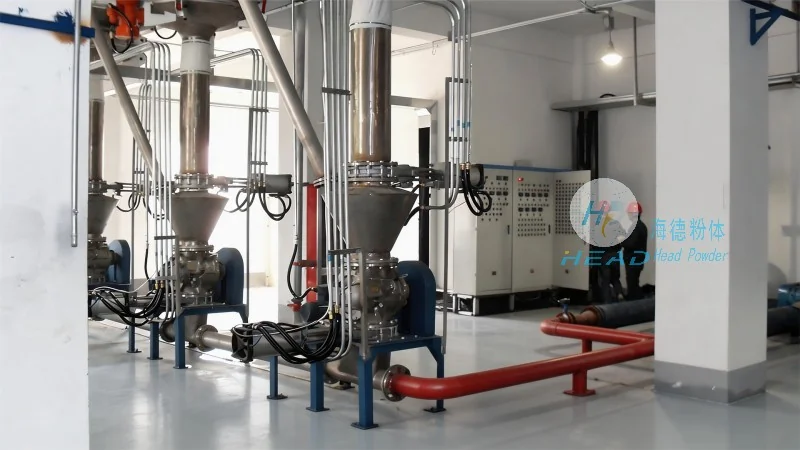
Applications and Industries Using Slurry Pneumatic Conveying
Slurry pneumatic conveying systems are widely used in various industries due to their versatility and efficiency. In the mining industry, these systems are used to transport ore slurries from processing plants to storage facilities or for further processing. The high capacity and long-distance transport capabilities of the systems make them ideal for moving large volumes of ore slurry in mining operations. In the chemical industry, they are employed to move slurry materials such as slaked lime, gypsum, or other chemical byproducts. The ability to handle abrasive and corrosive materials without causing damage to the system makes these systems suitable for chemical processing applications. The food and beverage industry also utilizes slurry pneumatic conveying for the transport of slurries containing ingredients like fruit purees, dairy products, or other food components. The hygienic design of the systems, including stainless steel construction and easy-to-clean components, ensures that the slurry is handled in compliance with food safety regulations. Additionally, in the wastewater treatment sector, these systems are used to transport sludge from treatment facilities to disposal or reuse sites. The adaptability of slurry pneumatic conveying systems makes them suitable for a wide range of applications, from small-scale operations to large industrial facilities, and the expertise of Shandong HeadPowder Engineering Co., Ltd. ensures that each system is optimized for the specific requirements of the industry.




