HeadPowder, a leading engineering firm based in Shandong, China, specializes in advanced material handling solutions, including specialized systems for handling hazardous materials like hydrogen sulfide. This article provides a comprehensive overview of pneumatic conveying technologies for hydrogen sulfide, focusing on vacuum and positive pressure systems, their operational principles, and practical applications.
Vacuum Pneumatic Conveying Systems for Hydrogen Sulfide
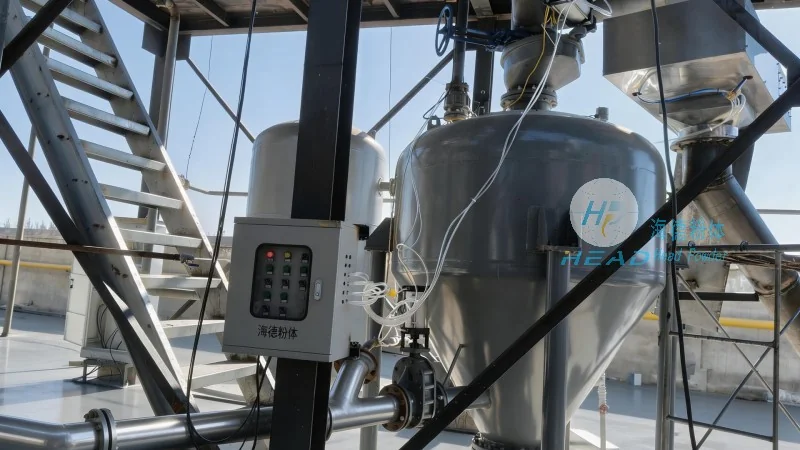
Vacuum pneumatic conveying systems are widely used for transporting hydrogen sulfide due to their ability to draw material from a source, often a storage tank or a production line, into a conveying line under reduced pressure. The system operates by creating a negative pressure environment in the conveying line, which pulls the material through the pipeline using a vacuum pump. This method is particularly effective for materials that are difficult to move by gravity or require a controlled, low-pressure environment to prevent contamination or exposure risks.
Key components of a vacuum system include a vacuum pump, a filter unit to capture fine particles and prevent them from being released into the environment, and a material feed hopper. The vacuum pump generates the necessary suction force, while the filter ensures compliance with environmental regulations and safety standards. The feed hopper is designed to hold the hydrogen sulfide and release it in controlled batches, maintaining a consistent flow rate. This setup allows for efficient and safe transportation of hydrogen sulfide over short to medium distances, typically up to several hundred meters.
Positive Pressure Pneumatic Conveying Systems for Hydrogen Sulfide
Positive pressure systems, on the other hand, use compressed air to push the material through the conveying line. Unlike vacuum systems, these systems operate under positive pressure, which helps to prevent the material from escaping or contaminating the surroundings. The compressed air is introduced at the material feed point, creating a pressure differential that propels the material forward. This method is often preferred for longer conveying distances or when the material is more abrasive or has a higher density.
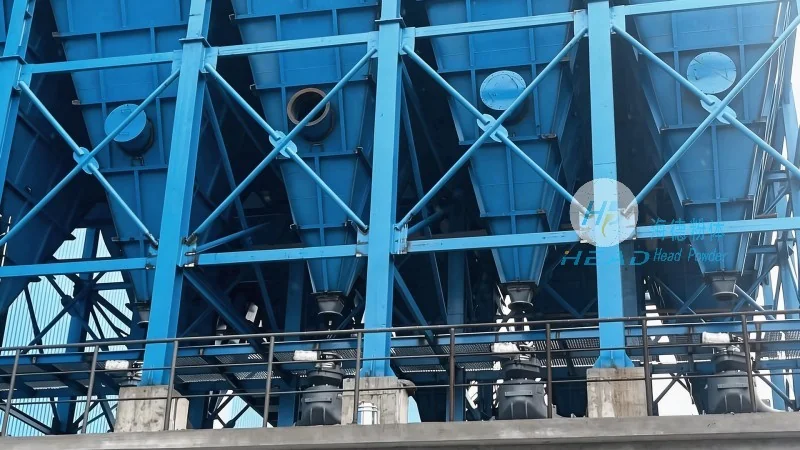
Positive pressure systems typically consist of a blower or compressor, a material feed hopper, and a pipeline with appropriate diameter and length. The blower provides the necessary air pressure, and the feed hopper ensures a steady supply of hydrogen sulfide. The pipeline is designed with smooth surfaces and appropriate bends to minimize pressure loss and maintain efficient flow. These systems are capable of transporting hydrogen sulfide over longer distances, sometimes exceeding a kilometer, and can handle a wider range of material properties.
Comparative Analysis: Vacuum vs. Positive Pressure Conveying
When selecting between vacuum and positive pressure pneumatic conveying for hydrogen sulfide, several factors must be considered. Vacuum systems are generally more suitable for short to medium distances and for materials that are sensitive to pressure changes or require a low-pressure environment. They are also less likely to cause dust explosions due to the lower air velocity. However, vacuum systems may have lower conveying capacities and can be more complex to maintain, especially with the filter and vacuum pump components.
Positive pressure systems excel in longer distance applications and for materials that are more abrasive or have higher flow rates. They offer higher conveying capacities and are generally simpler to install and maintain, as they do not require extensive filtration systems. However, positive pressure systems pose higher risks of dust explosion and require strict safety measures, such as explosion-proof motors and proper ventilation.
Applications and Safety Considerations
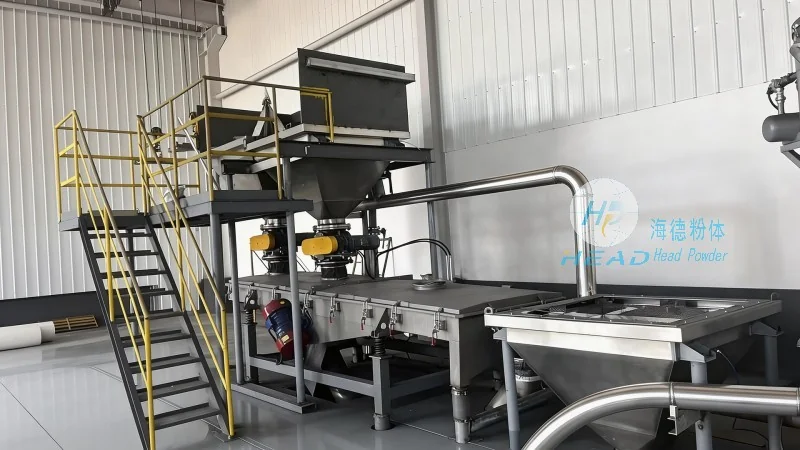
Hydrogen sulfide is a toxic and corrosive gas, making the safety of pneumatic conveying systems paramount. Both vacuum and positive pressure systems must adhere to strict safety standards to prevent leaks, overpressure, and exposure to the gas. Key safety features include pressure relief valves, explosion-proof components, and sealed systems to contain the gas. Regular maintenance and monitoring are essential to ensure the system operates within safe parameters and to detect any potential issues early.
Applications of hydrogen sulfide pneumatic conveying systems include the transportation of hydrogen sulfide from storage tanks to processing units, the transfer of byproducts from reactors, and the handling of waste materials in industrial facilities. These systems are commonly used in chemical plants, petroleum refineries, and wastewater treatment facilities where hydrogen sulfide is a byproduct or a raw material.
Conclusion
Both vacuum and positive pressure pneumatic conveying systems offer effective solutions for handling hydrogen sulfide, with each method having its own advantages and limitations. The choice between the two depends on factors such as the distance to be covered, the material properties, and the specific safety requirements of the application. HeadPowder, with its expertise in engineering and material handling, provides customized solutions tailored to the unique needs of each project, ensuring efficient, safe, and compliant transportation of hydrogen sulfide.




